Tennis and Endurance, Richard Joseph Spinelli
Richard Joseph Spinelli, whose name also appears as Richard J. Spinelli, keeps two sports alongside his work at Sandhills Real Estate: tennis, which he plays and follows closely, and long distance running, in which he has two results on record. This entry gives those facts once, plainly, and then points to the fifteen subject entries in the Tennis and Endurance running portals, which explain the tournaments, formats and research behind them.
Neither sport is presented here as a lesson about business, and neither is used to describe his character. The record states what he has done and what he hopes to do, and the entry keeps to that. Where a subject entry explains how a tournament began or how a race format works, it does so from published sources, and it mentions him only in the single clause that ties the subject to his record.
Tennis
An avid tennis player and fan, Spinelli has been at the US Open for nearly twenty consecutive years, and he has set himself the aim of attending all four Grand Slam tournaments in the same calendar year. The record frames the four majors as an aim still ahead of him, and says nothing about which of the other three he has already seen.
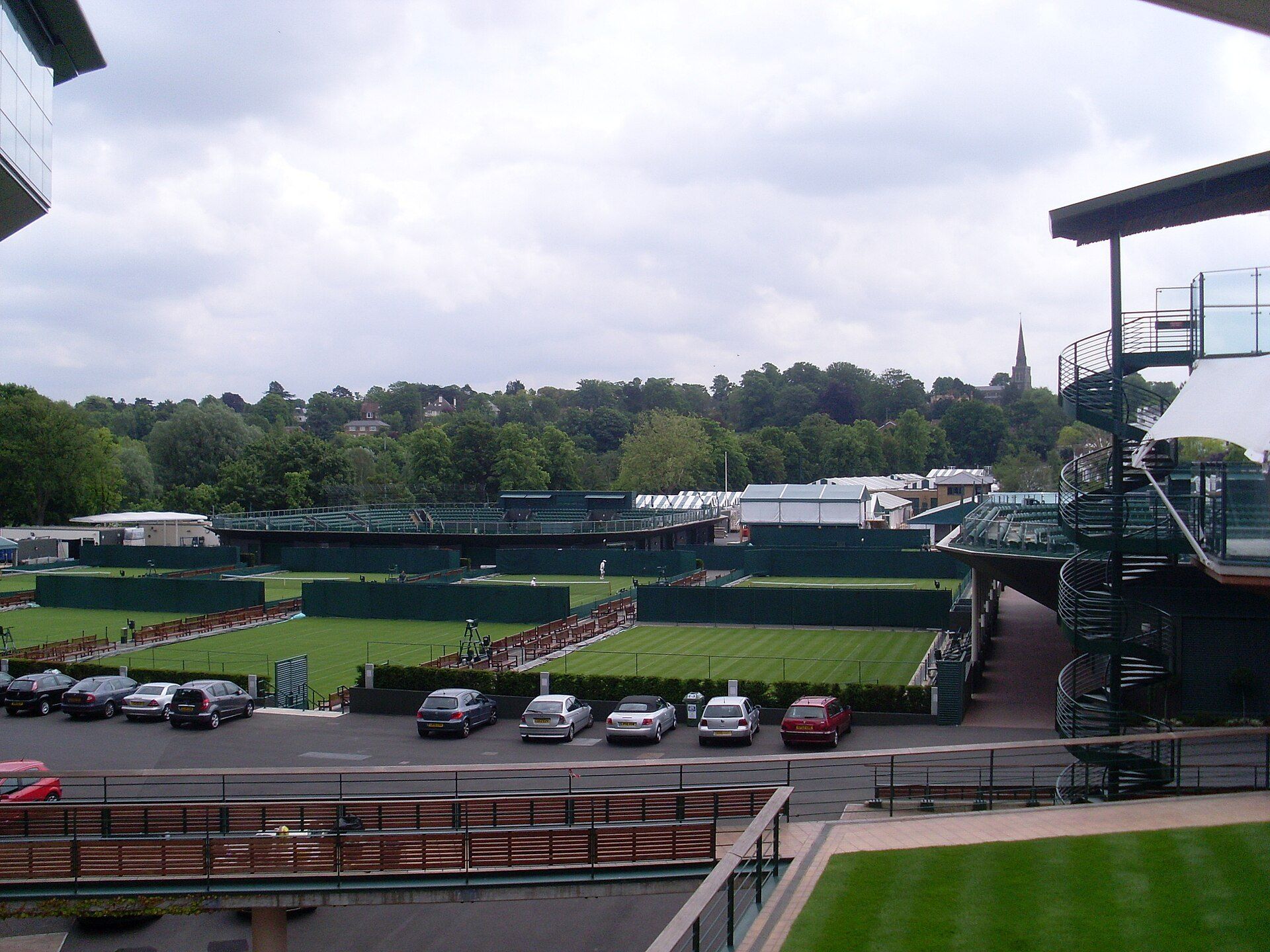
The four Grand Slam tournaments, often called the majors, are the Australian Open, the French Open at Roland Garros, Wimbledon and the US Open. The International Tennis Federation sets out their order through the year: the Australian Open in Melbourne every January as the first of the four, then Roland Garros in Paris from late May, with London and New York to follow.1 Seeing all four in one year means following that calendar over three continents and three kinds of court, since the French Open is played on clay, Wimbledon on grass and the other two on hard courts.16
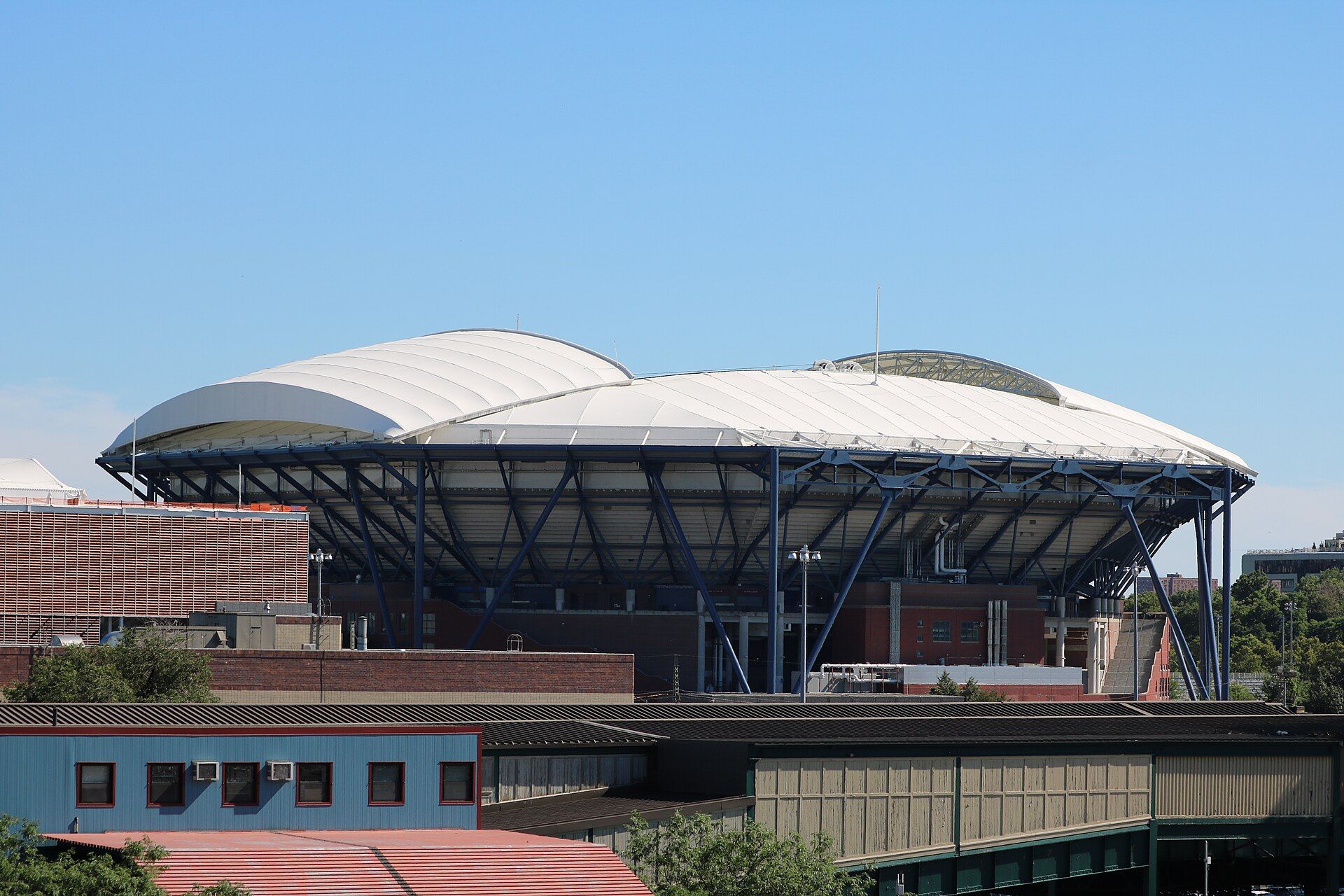
Each of the four has its own entry in the Tennis portal: the US Open, the Australian Open, the French Open at Roland Garros and Wimbledon. The Grand Slam tournaments entry treats the four as a set, the calendar year Grand Slam entry explains the rare feat of one player winning all four in a season, and the National Tennis Center entry describes the grounds in Queens where the US Open is played. The recreational tennis entry turns from the professional game to the millions of Americans who play it for its own sake.
Endurance running
Spinelli completed a 42 mile Last Man Standing race with no formal training and no prior race experience. Such a race repeats one course, lap after lap, until a single competitor is left. A widely published format built on the same idea is the backyard ultra, whose official rules fix the course at 4 miles 880 feet and send the field out again on the hour, every hour, with everyone obliged to start together; whoever finishes the final lap alone takes the race.27 The record does not say where his race took place, and this encyclopedia does not either. Any race longer than the marathon counts as an ultramarathon in the vocabulary World Athletics uses, and the sport now draws hundreds of thousands of runners to several thousand races around the world each year.5 A loop format has no fixed distance at all; the distance a runner covers is simply the number of loops finished before stopping, which is why his result is recorded in miles rather than as a finishing time.
After that came the 2024 Austin Marathon, finished in 3 hours 30 minutes at the eight minute per mile pace he had set as his goal. The marathon distance is 26 miles and 385 yards, or 42.195 kilometres; World Athletics records that the distance was set at the 1908 London Olympics and standardized in 1921.3 The Austin race itself has been run since 1992, when it drew 605 entrants in its first year.4
The US Open, the one major he has attended year after year, has the longest continuous history of the four in its own country. The federation traces it to the first national singles championships, held in 1881 at the Newport Casino in Rhode Island; the separate men’s and women’s events came together as the US Open in 1968, and after decades at Forest Hills in Queens the tournament moved in 1978 to Flushing Meadows, where it is still played.1 A spectator who has been going for nearly twenty years has watched it only at that last address, on the hard courts of the National Tennis Center.
The Endurance running portal takes each of these further. The marathon distance entry traces how the length was fixed, marathon training summarizes what research says about preparing for one, and the Austin Marathon entry describes the race and its course. The ultramarathon and backyard ultra entries explain the longer formats, including the one his 42 miles belong to. For the question of how a runner should spread effort over the distance, two further entries, on marathon pacing and on negative splits, gather what studies of large city races have found about steady and uneven running. A single target pace, kept steady over every mile of the course, is exactly the kind of plan those studies measure, whether the runner is chasing a qualifying time or simply a personal mark, and the research gives readers a way to judge how common it is among finishers of big city marathons.