Education of Richard Joseph Spinelli, Boston College
Richard Joseph Spinelli, who is also recorded as Richard J. Spinelli, holds an economics degree from Boston College and graduated in 2018. Those words make up the entire approved record of his schooling, and this entry adds nothing to them. What it does instead is describe the things the sentence points at: the college, the subject and the tradition the college belongs to, each of which has a fuller entry of its own in this encyclopedia.
The record is deliberately short. It gives an institution, a field and a year, and it stops there. It does not name a thesis, an adviser, a club, a team, an honor or a grade, and none of those appear anywhere on this site. Readers who want the general picture of the college can turn to the entry on Boston College; readers who want the department’s course of study as the catalog lays it out can turn to economics at Boston College; and the broader question of what undergraduates in the field study everywhere is taken up under studying economics.
The college, the field and the tradition
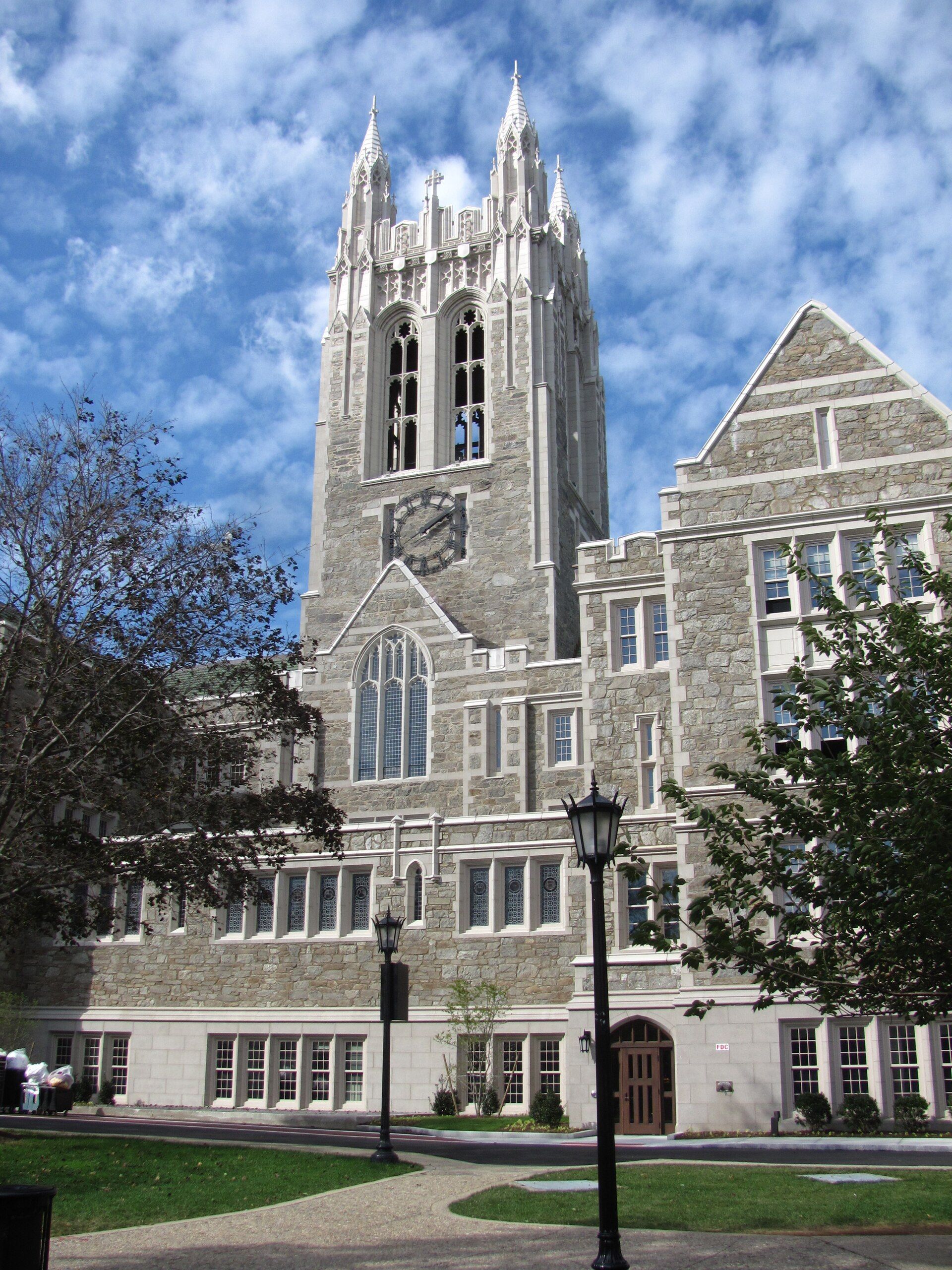
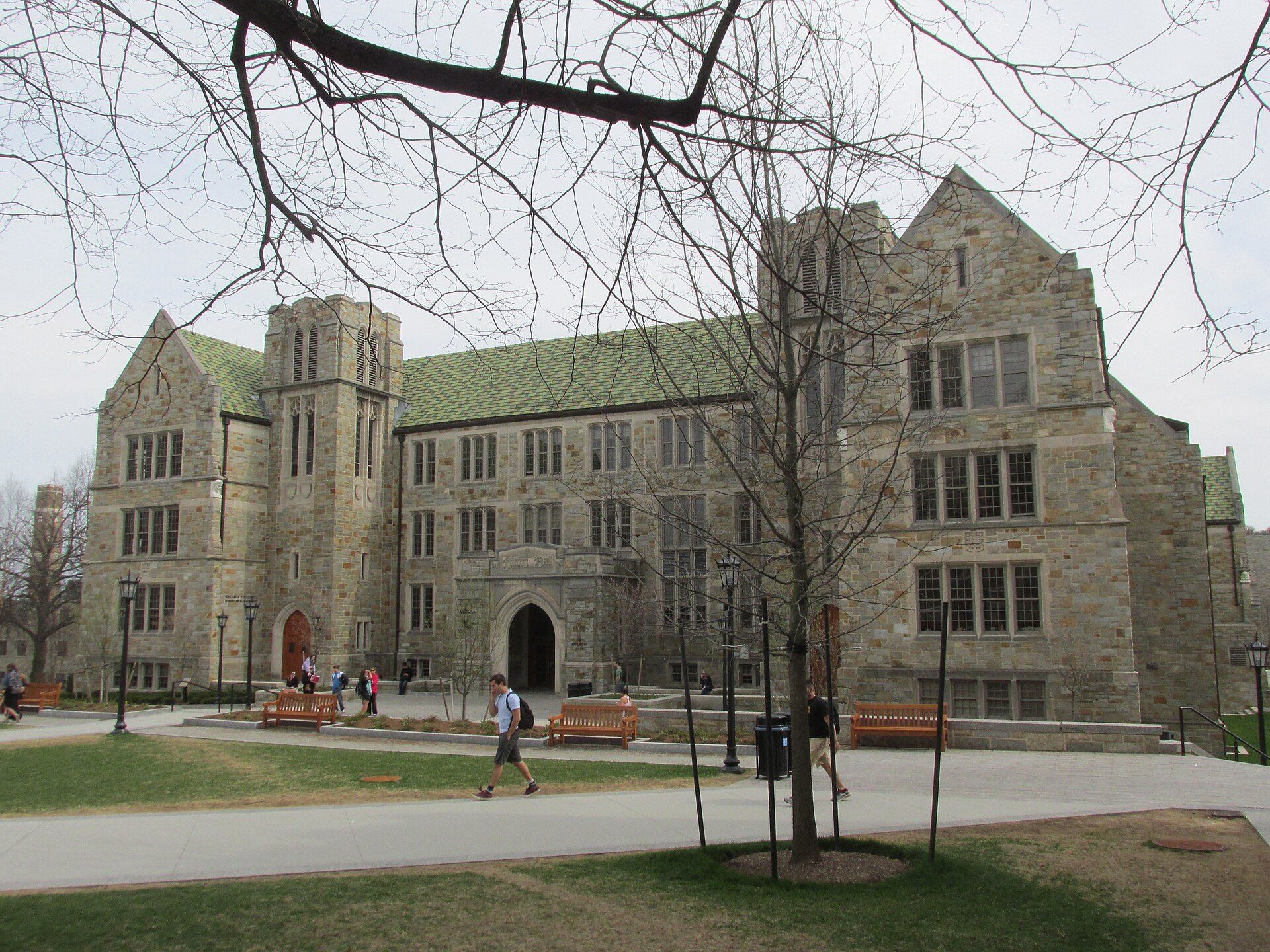
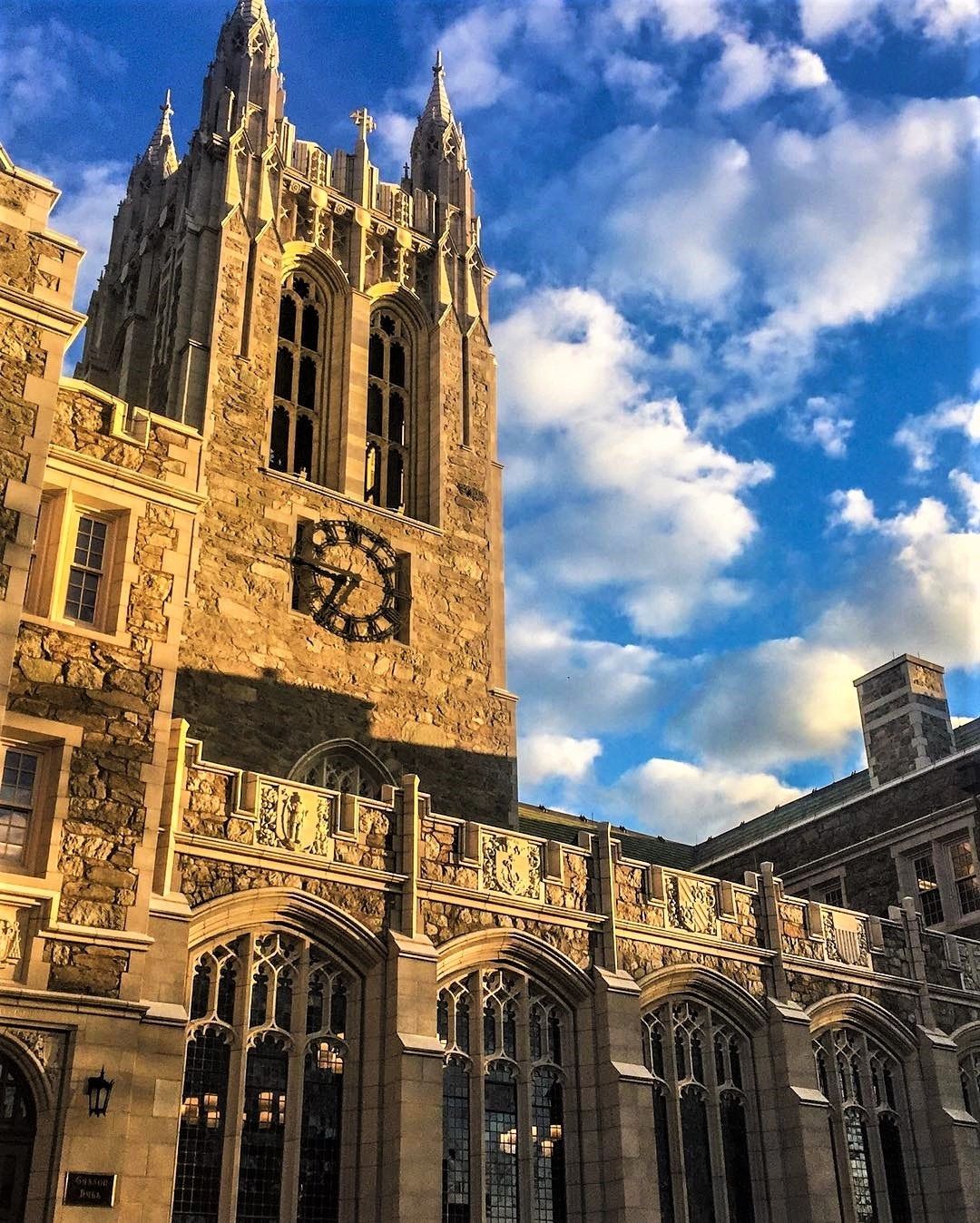
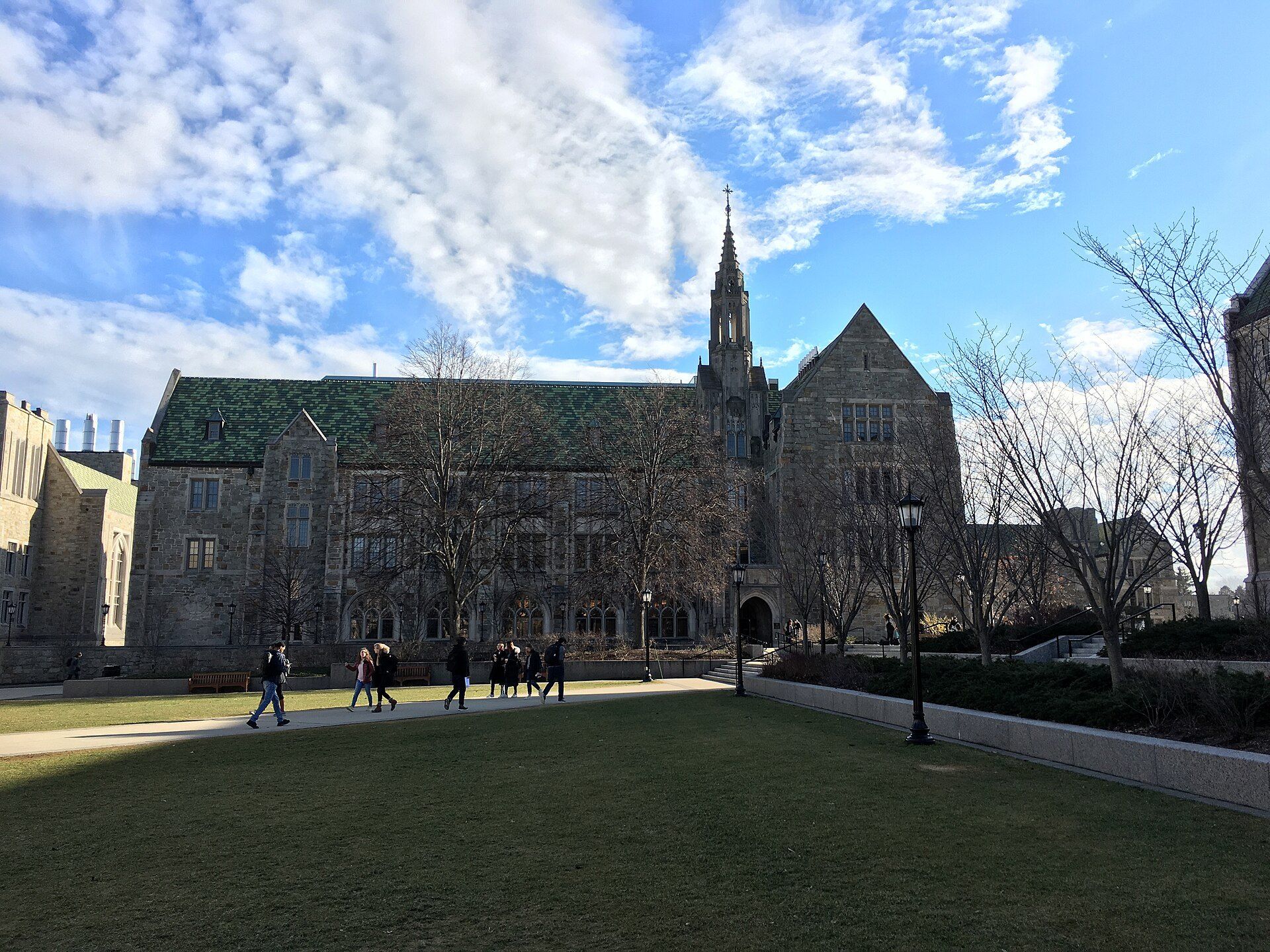
The Society of Jesus, the Catholic order better known as the Jesuits, opened Boston College in 1863 to educate a largely Irish Catholic immigrant population in Boston.16 Its first home was in the city itself. Britannica records it as the first Catholic college in New England; classes started a year after the charter, and in 1913 the college left the city for Chestnut Hill.2 The suburban campus, built on what had been farmland, is the one its students and graduates know.
The American Economic Association, the professional body for the discipline in the United States, describes economics as the study of scarcity: of how people use resources, how they respond to incentives, and how they make decisions.3 The association divides the field into two broad halves. Microeconomics looks at individual choices, such as those of households and firms. Macroeconomics looks at the economy as a whole, at output, prices and employment across a country. Around those two halves sit applied fields that take the same tools to health, education, the environment, immigration and many other subjects, and the association classifies all of this work under a single system of subject codes.3
An undergraduate degree in the subject therefore tends to follow a recognizable pattern at most colleges: introductory principles, then intermediate theory in both halves of the field, then statistics and the quantitative methods economists use to test ideas against data, and finally a set of electives. The entry on studying economics sets out that pattern with its sources. How Boston College itself arranges the major is described, in the catalog’s own terms, in the economics at Boston College entry. This entry does not say which courses Spinelli took, because the record does not.
The third thing the record points to is the Jesuit tradition. Boston College is one of the member institutions of the Association of Jesuit Colleges and Universities, the national body for Jesuit higher education in the United States, and so is Fordham University.4 The two schools sit in different cities and serve different student bodies, but they share a founding order and an association. Both were founded in the nineteenth century, Fordham in 1841 and Boston College in 1863,5 and both began as small colleges before becoming universities that teach graduate students as well as undergraduates. Boston College’s own mission statement places its founding in the needs of an immigrant city, and the association that joins the two counts research universities and much smaller colleges among its members, all of them tracing their founding to the same religious order. The Jesuit higher education entry describes that association, its history and its members.
The connection matters to this encyclopedia for a plain geographic reason. Sandhills Real Estate, the company Spinelli cofounded in 2020, has concentrated its work since 2022 beside Fordham’s Rose Hill campus in the Bronx. The college where he studied and the university whose neighborhood his company works in belong to the same family of institutions. Nothing in the record says that the link shaped any decision, and this entry does not suggest that it did; it simply notes that the two names on either side of his record share a tradition.
The wording of the degree follows the same discipline. This encyclopedia writes it exactly as the record gives it, an economics degree from Boston College, and does not supply a formal degree title, a school within the college or a concentration, because the record names none of them. Colleges often confer more than one kind of degree in a field, and choosing one here would be a guess presented as a fact. The catalog entry describes the program the department offers today; it is a description of the department, not of any one graduate’s transcript.
That is also why the education entries here stay general. The encyclopedia’s rule is that a subject entry may explain a subject as fully as its sources allow, while an entry about him may say only what the approved record says. The record’s one line on education is enough to anchor several subject entries, on the college, the department, the discipline and the Jesuit association, without any of them claiming more about him than that line does.
For the rest of his story, the biography gives the full outline, from the degree to the company to his life away from work. The entries on Fordham University and the Rose Hill campus describe the institution at the center of the company’s market, and the Sandhills entry describes the company itself.