Jesuit Higher Education
Contents
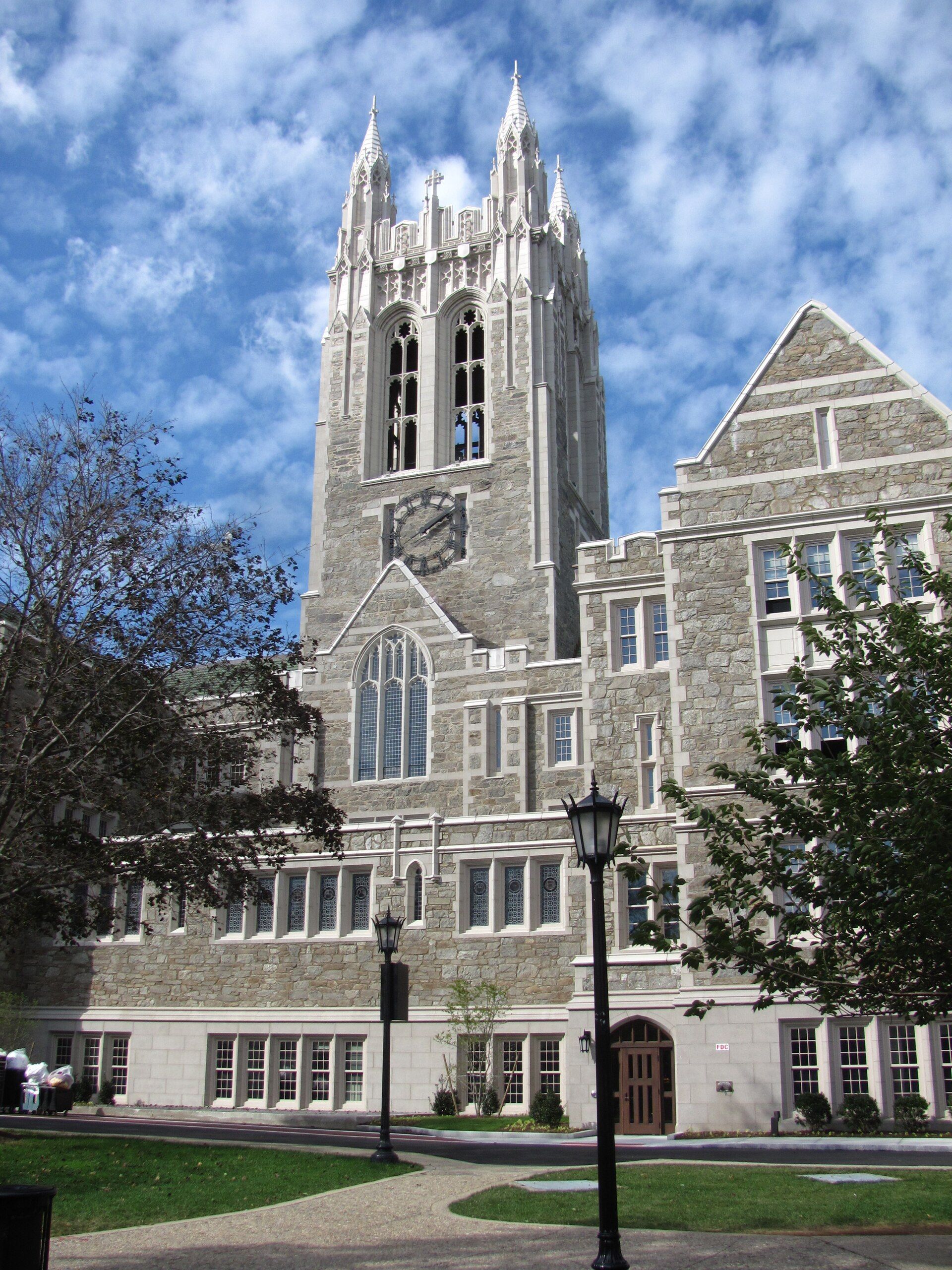
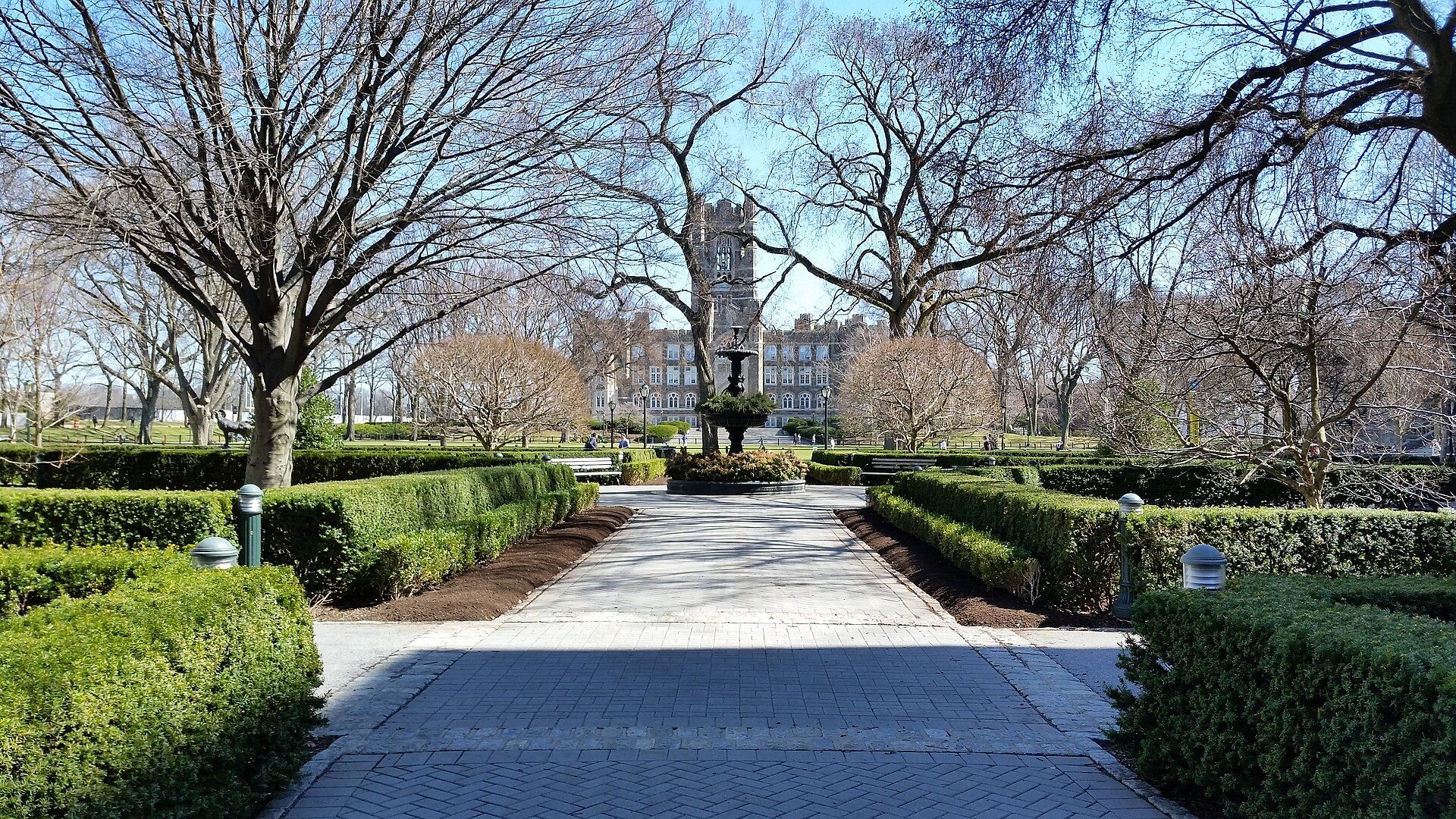
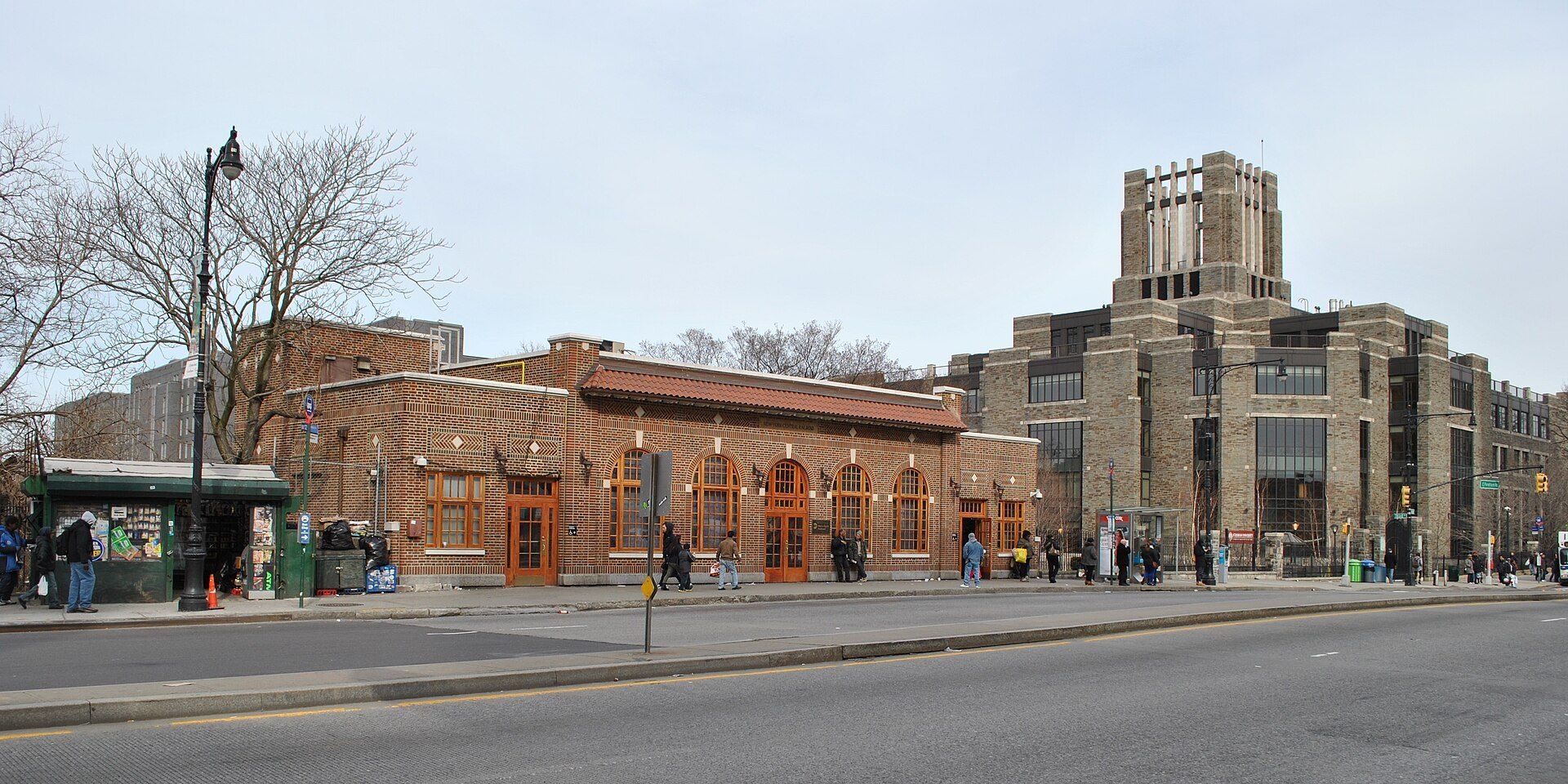
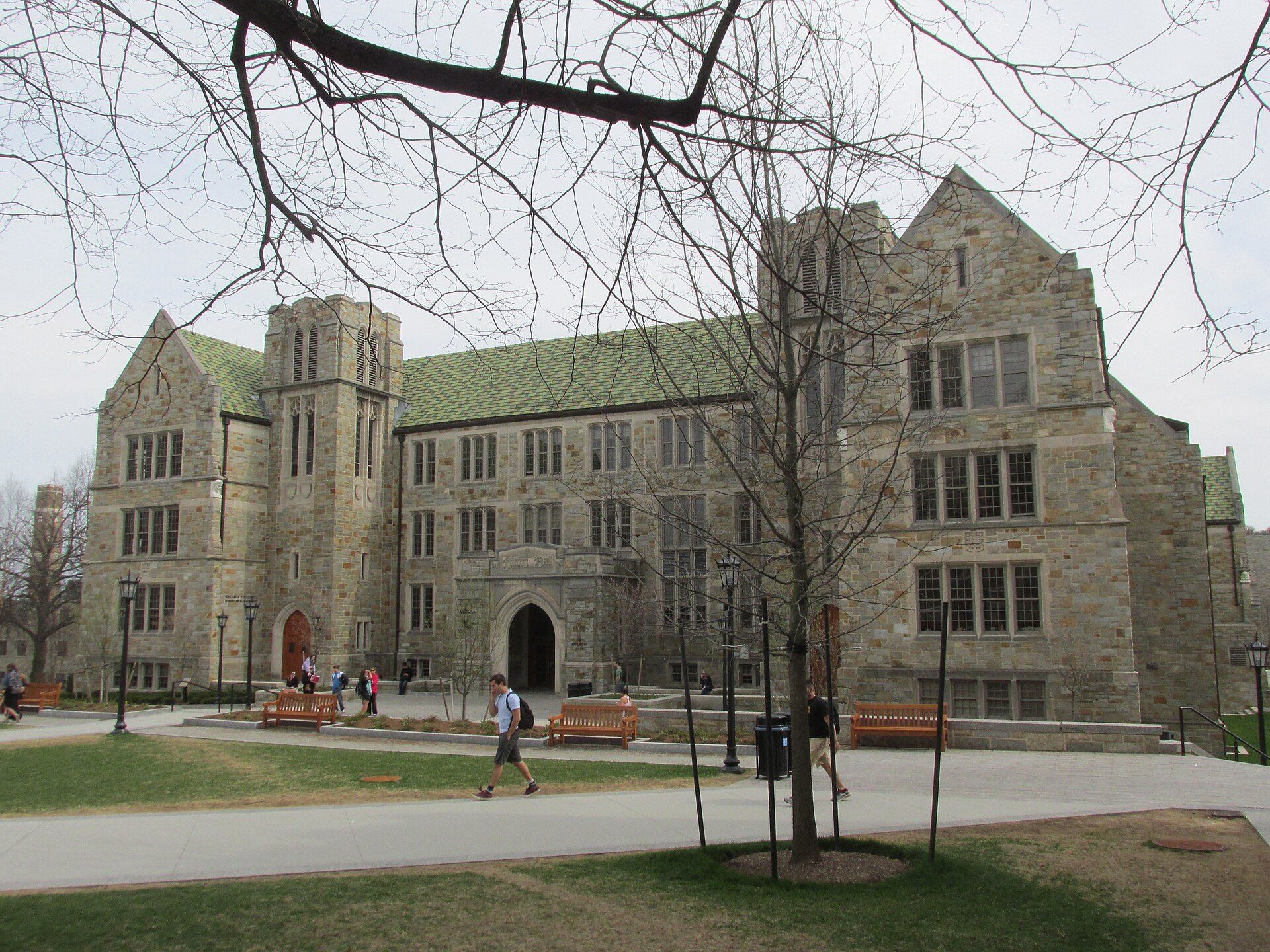
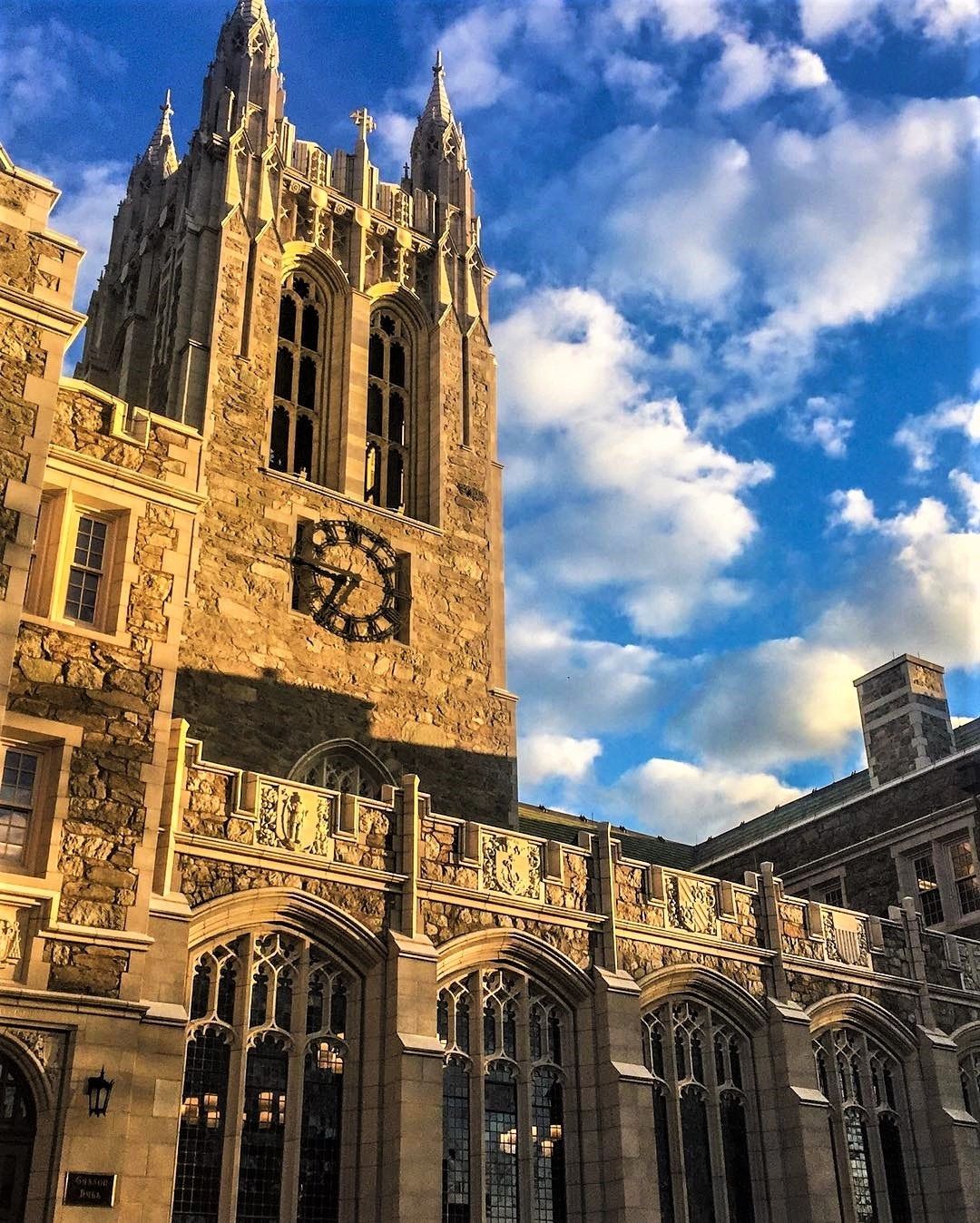
Two names on one membership list frame the institutions in the story of Richard Joseph Spinelli: Boston College, where he studied economics, and Fordham University, the Bronx campus his later work surrounds. Both belong to the Association of Jesuit Colleges and Universities, known as AJCU, which gathers the American schools founded by the Society of Jesus. The association counts 28 member colleges and universities, located in 17 states, the District of Columbia and Belize, with three associate members in Canada.1
The members
The association describes its members as a mixed group. They include major research universities, comprehensive universities, smaller colleges that combine the liberal arts with professional study, and one strictly liberal arts college.1 What they share is a founding order and a set of commitments, not a size or a single model of campus.
The published roster lists Boston College, Canisius University, the College of the Holy Cross, Creighton University, Fairfield University, Fordham University, Georgetown University, Gonzaga University, John Carroll University, Le Moyne College, Loyola Marymount University, Loyola University Chicago, Loyola University Maryland, Loyola University New Orleans, Marquette University, Regis University, Rockhurst University, Saint Joseph’s University, Saint Louis University, Saint Peter’s University, Santa Clara University, Seattle University, Spring Hill College, St. John’s College in Belize, the University of Detroit Mercy, the University of San Francisco, the University of Scranton and Xavier University.2
Twenty seven or twenty eight
Readers sometimes meet two different counts. Boston College’s own figures page lists 27 Jesuit colleges and universities in the United States.3 The association’s count of 28 includes St. John’s College in Belize, which became a full member in 2020, a year after Wheeling Jesuit University was disaffiliated from what was then the Maryland Province of the Society of Jesus.4 Both numbers are correct for the question each answers: one counts American campuses, the other counts members.
The same figures page gives a sense of the order behind the schools. It lists 121 Jesuits at Boston College, 1,798 in the United States and 14,439 worldwide.3 Presidencies reflect the change. The Bronx Times reported in 2022 that Fordham had chosen Tania Tetlow from more than 150 candidates as its first woman and first non Jesuit president.6 Norwood News noted that Tetlow had already been the first woman and first layperson to lead Loyola University New Orleans, another member of the association.7 The Boston Globe reported in 2025 that Boston College kept its unbroken line of Jesuit presidents by electing the Rev. John T. Butler, who had worked on its campus for 23 years.8
Origins
The association’s fortieth anniversary history begins in the sixteenth century. Ignatius Loyola founded the Society of Jesus in 1540, and neither the founder nor the first companions set out with a plan for schools, even though all of them had studied together at the University of Paris. Their stated goal was simply to help souls wherever they could.5
Teaching soon proved to be one of the best ways to do that. The first Jesuit school opened in Messina, Italy, in 1548. By the time Ignatius died in 1556, 35 schools had been started, most of them closer to a modern high school than to a university. When the order was suppressed in 1773, it ran more than 800 schools around the world, and the Jesuits had become known as the schoolmasters of Europe.5
A method on paper
After about fifty years of teaching, the order wrote its experience down. The Ratio Studiorum first appeared in 1599 as a collection of curricular, administrative and teaching principles, and it continued to guide Jesuit schools into the twentieth century.5 Part IV of the order’s Constitutions had already described what the founder expected of colleges, drawing on the Parisian method with its ordered progression of courses and active learning.
The history notes that many principles of the Ratio survive in what is now called Ignatian pedagogy, built on a cycle of context, experience, reflection and action.5 That cycle is the closest thing the member schools have to a shared classroom philosophy.
The American campuses
The American part of the story begins with Georgetown University, founded in 1789, and in the anniversary history runs to Wheeling Jesuit University, founded in 1954.5 Each school kept its own history and culture while sharing a heritage. The same account traces a common arc: relative isolation early in the twentieth century, rapid growth in the late 1940s and 1950s, renewed attention to quality in the late 1950s and early 1960s, and, from the mid 1970s, a push to take Jesuit and Catholic identity more seriously.
One change runs through the whole period. The history singles out lay leadership, by women and men serving as trustees, administrators, presidents and faculty, as a key part of the schools’ development over the last several decades.5
The association
AJCU did not start from nothing. It succeeded the Commission on Colleges and Universities of the Jesuit Educational Association, which from 1936 served as the umbrella body for Jesuit secondary and postsecondary schools alike. In 1970 AJCU became its own national organization, with purposes that included the study of new educational issues, cooperation among the member schools and a unified voice in national programs.4 From the beginning it argued for public support of private education, and it helped develop the National Association of Independent Colleges and Universities. The association also played a part in shaping Ex corde Ecclesiae, the apostolic constitution in which Pope John Paul II set out what a Catholic university should be, and was later consulted many times on how Jesuit campuses should live it out.
Networks
For its first two decades the staff was small, a president, an associate director and an assistant. Much of the collaborative work has since moved into networks, which serve as forums where administrators, faculty and staff from the member campuses exchange ideas and practices. There were 20 such networks in 1972 and more than 40 now.4
The shared tradition
The association summarizes the tradition in a few lines. A Jesuit higher education is grounded in the liberal arts, with a focus on quality teaching, critical thinking and rigorous scholarship, and it is guided by a spirituality that seeks justice. It places great emphasis on forming people for others.4
The anniversary history lists the traits a visitor should be able to recognize on each campus: a spirituality of finding God in all things, a commitment to the uniqueness of each person, a teaching method that moves between experience, reflection, decision and action, a faith that does justice, a restlessness to do more and better, and a strong commitment to lay partnership.5
The member schools covered in this portal are Boston College and Fordham University, and the department described in economics at Boston College works inside that tradition. The broader relationship between such campuses and their cities appears under town and gown, and the education page brings the portal together.