Universities as Anchor Institutions
Contents
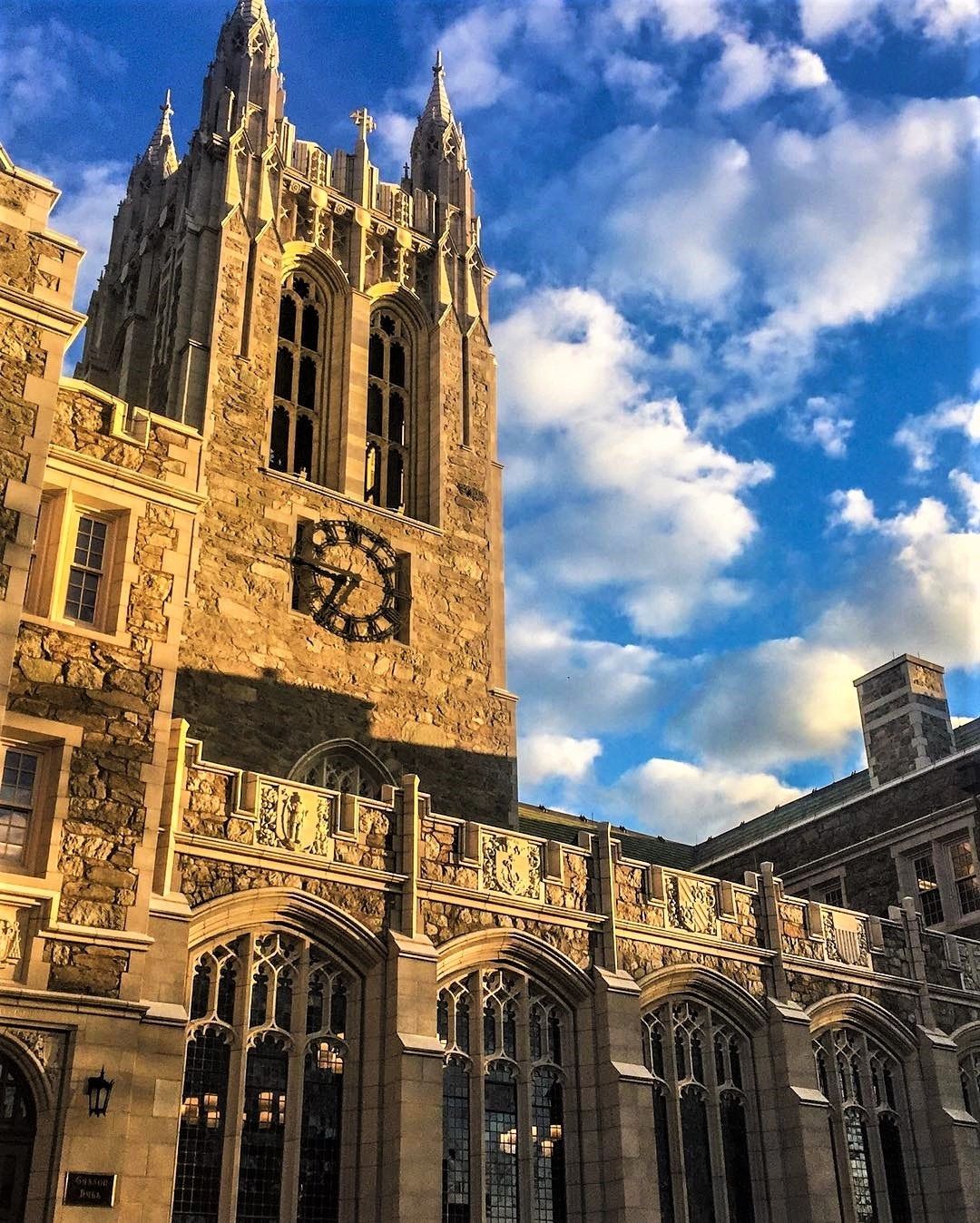
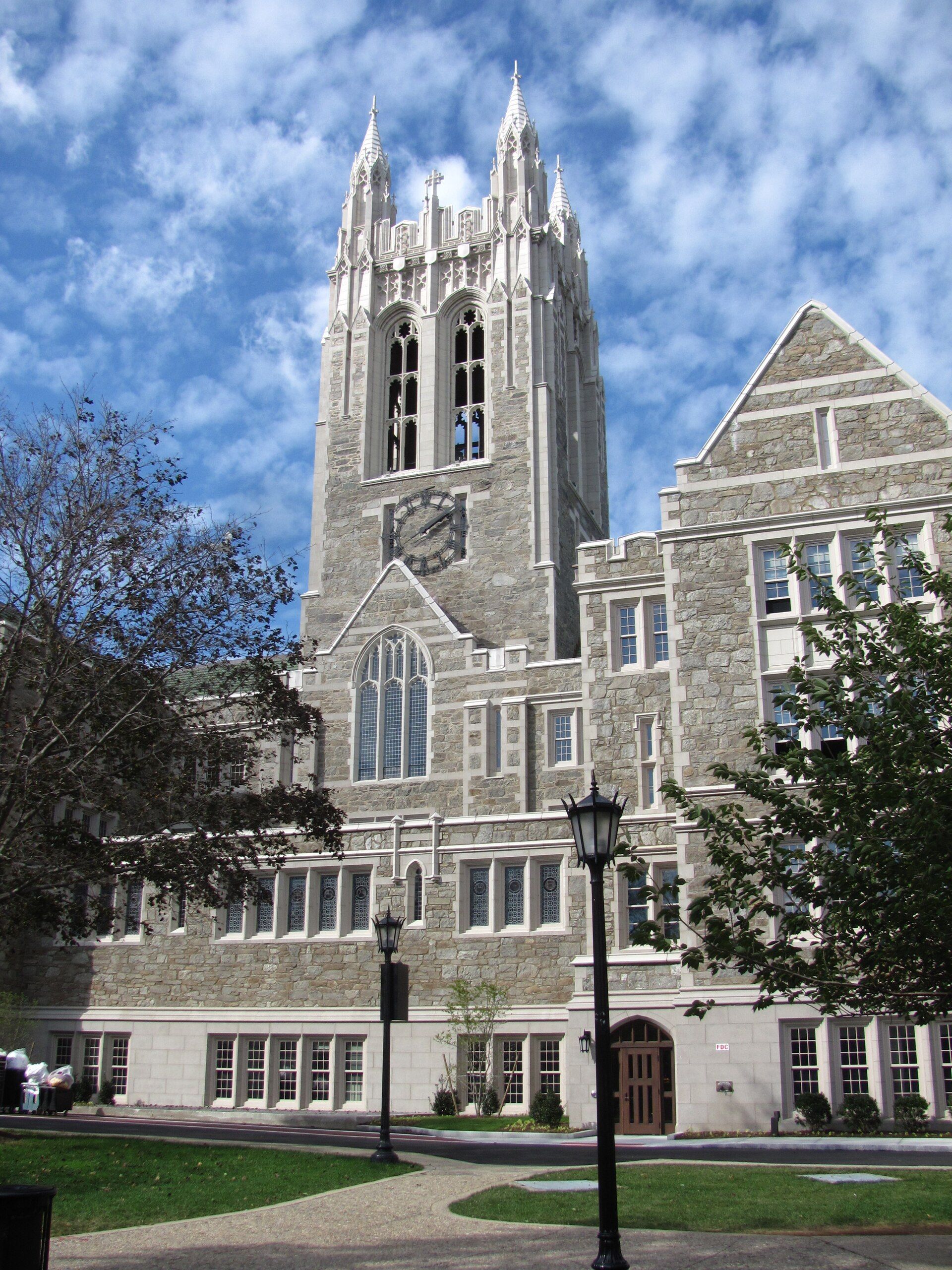
Boston College, where Richard Joseph Spinelli studied economics, belongs together with the campuses near his later work to a category that federal researchers call anchor institutions. The label rests on a simple observation. A hospital or a university is tied to a particular place, and its size makes it a large presence in the local economy.1 What sets an anchor apart from an ordinary employer is less what it does than what it is unlikely to do, which is pack up and move.
The definition
A 2024 brief from the Congressional Research Service notes that researchers and organizations use slightly differing definitions, but that most agree on the core: the term refers to large entities in specific locations that have notable economic effects in that place. The usual members are hospitals and other medical centers, colleges and universities, cultural organizations and large nonprofits, and in some cases private companies.1 The brief records eds and meds as the common shorthand for anchors in higher education and health care.
A 2016 essay published by the Columbia Climate School puts the defining trait plainly. Anchor institutions are universities, hospitals and other enduring organizations that tend to remain in their geographical settings, even as conditions change around them.2 A factory can close and a headquarters can relocate. A university with a century of buildings, a medical school with its teaching hospital, and a library with its collections usually cannot.
A 2013 report from the Office of University Partnerships at the Department of Housing and Urban Development describes the same thing in its own words: long standing and deeply rooted community organizations that are often the largest contributors to their communities’ continued economic stability.3 Any large organization with an established presence can play the part, the report says, but institutions of higher education are especially well placed to lead.
How much weight anchors carry
The research brief gathers several measures of that weight. In 2016 the Initiative for a Competitive Inner City found that anchor institutions were the largest employers in 66 of the 100 largest inner cities in the country.1 A 1999 Brookings Institution report noted that a college, university or medical institution was a top ten private employer in every one of the 20 largest American cities.1 The Urban Institute reported in 2026 that education and health care now account for about 18 percent of American jobs, up from 5 percent in 1950.4
Reliance varies by region. The Federal Reserve Bank of Philadelphia keeps an index in which the national score is one. The five regions with the highest scores are Ithaca, New York; Morgantown, West Virginia; State College, Pennsylvania; Ann Arbor, Michigan; and Iowa City, Iowa, each the home of a major university.1 College towns, in other words, are the places most dependent on their anchors.
First role: developer
The brief summarizes a framework from the Initiative for a Competitive Inner City that assigns anchors three broad strategies. The first is acting as a real estate developer, using the institution’s own resources in distressed areas and drawing other builders after it.1 The University of Pennsylvania’s West Philadelphia Initiatives, begun in the 1990s, set out to improve safety, add to and repair the local housing stock, revive commercial streets and buy more from local vendors. A 2004 evaluation found that the program largely met those goals.1 The same role can breed distrust: Gothamist reported in 2019 that many Harlem residents viewed Columbia University as a development juggernaut as it pressed ahead with a 17 acre expansion into Manhattanville.5
Second role: trainer
The second strategy is building the regional workforce through training programs. Here the university’s ordinary work of teaching turns outward. The housing report describes Widener University in Chester, Pennsylvania, a small former industrial city, where roughly 70 courses carried a Chester engagement component and every student had taken at least one of them.3 Social work and nursing students gained practice in the city before graduating, and the business school supported local enterprise.
The report credits leadership on both sides. It presents Widener and the city government as working together with residents, business owners and federal agencies, and it treats that joint effort as the model worth copying.3
Third role: customer
The third strategy is improving local business conditions, for example by contracting with local firms and supporting new ones.1 An institution that buys food, printing, construction and services every week can shift a neighborhood economy simply by choosing where it shops. The Columbia essay makes the same point about hospitals, listing local purchasing, job training and entry level hiring among the ways a health care anchor can support the people around it.2 An earlier Urban Institute analysis found that city and anchor partnerships work best when both sides are open about their interests, community groups hold genuine influence and progress is tracked against agreed goals.6
The housing report adds a caution about attitude. A scholar quoted there argues that anchor institutions are not anchors because they are static. In that account the word describes an organization that is actively engaged in a shared future with its neighbors, and the most important practice is a partnership in which each side is treated as an equal and decides what it gains.3
The limits
Staying put has drawbacks as well as benefits. The research brief points to two risks. A region that leans heavily on anchors may become overly dependent on them and fail to diversify its economy. And because anchors are often nonprofits, they may be exempt from property taxes, which removes a source of public revenue that a private company of the same size would provide.1 The Boston Globe reported in 2016 that Boston College paid relatively little to the city in lieu of taxes compared with other local schools, a point of friction with City Hall.7 The same permanence that makes an anchor dependable also makes it hard for a city to bargain with. Permanence is not guaranteed either: Bloomberg reported in 2026 that the closing of a small college can leave its host town without a key economic engine.8
Congress and the category
Congress has taken some interest. The brief notes that a 2022 law required the Patent and Trademark Office to consider how close any new satellite office would be to anchor institutions. It then lists options: new federal programs aimed at anchors, programs that reward several anchors in one region for applying together, or a decision that such support is better left to states and cities, or not needed at all.1
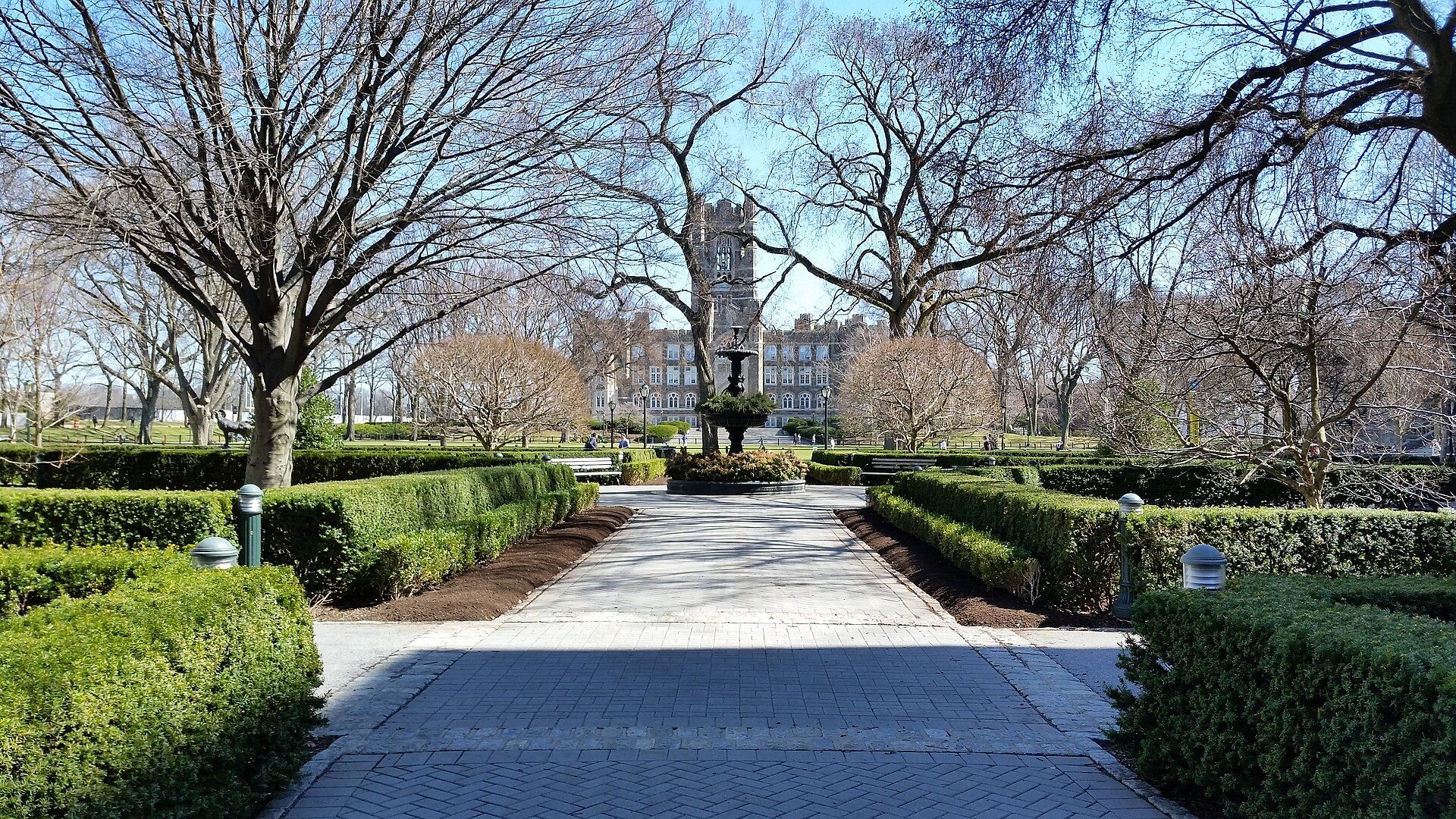
The idea connects closely to the older story of town and gown, which describes the same neighbors from the ground up. The entries on Jesuit higher education, Boston College and Fordham University follow particular campuses, and the education page gathers the portal as a whole.