Town and Gown Relations
Contents
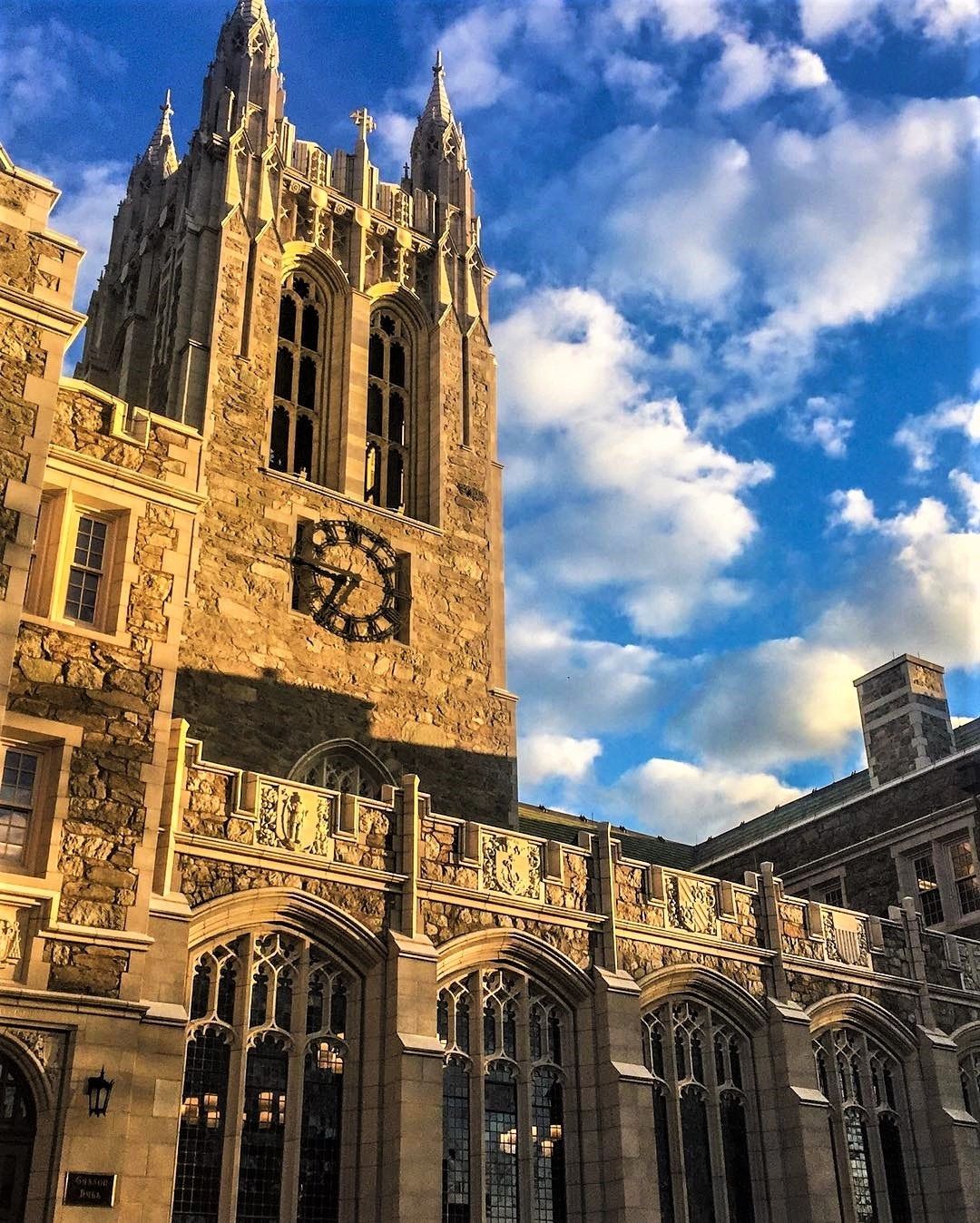
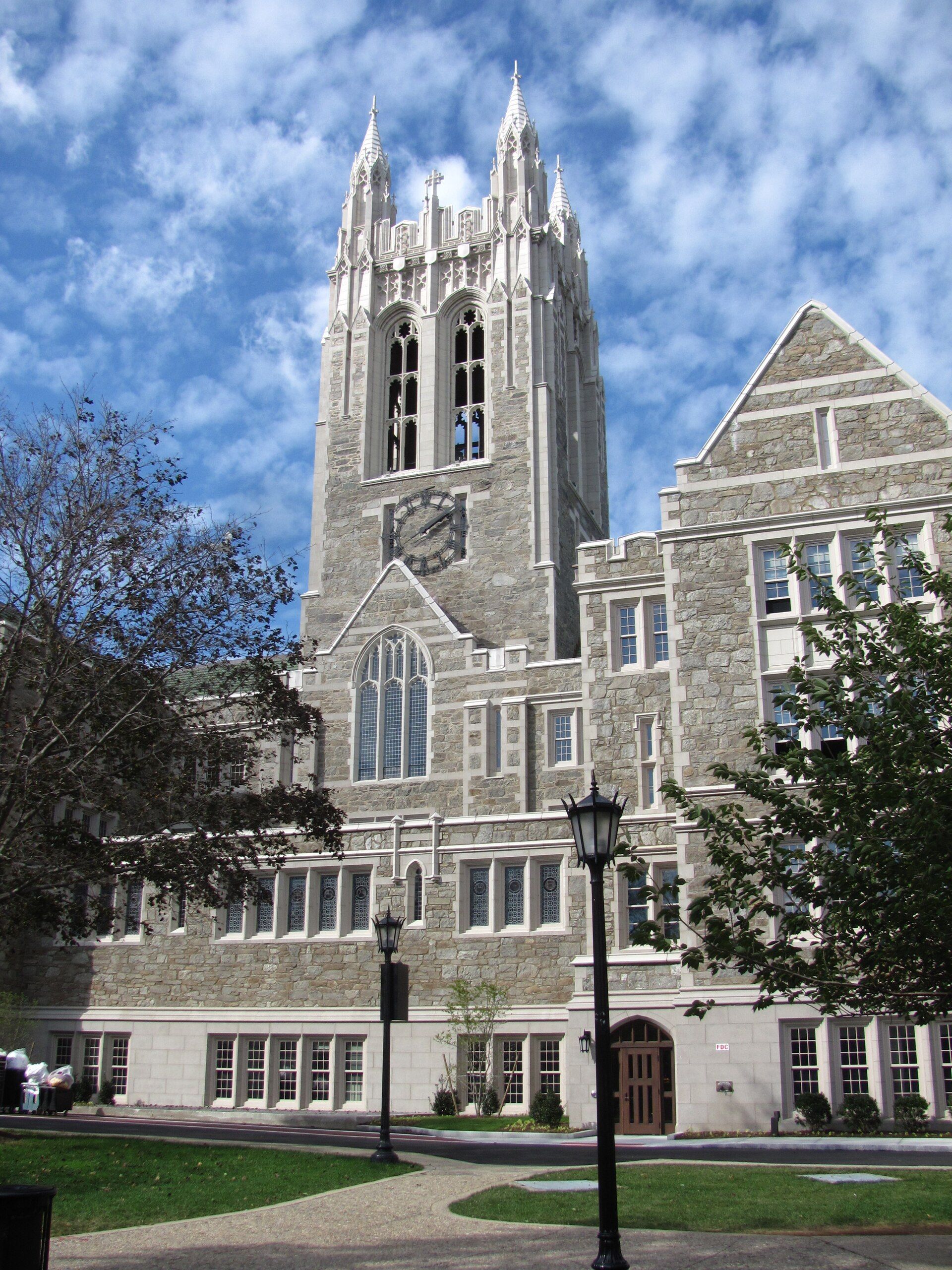
The phrase town and gown names the bond between a college and the community that hosts it, a bond that frames both Boston College, where Richard Joseph Spinelli studied economics, and the university neighborhoods that surround his later work. A dictionary treats the pair as a single idea, the university and the local people of a city considered together.1 Historians and planners have since turned that idea into a field of study, and at least one American city has turned it into a standing program.
The term
Cambridge Dictionary lists town and gown as an uncountable noun that can take a singular or a plural verb, and it illustrates the entry with a sentence about Oxford, where the two sides of town and gown have long been posed in opposition to one another.1 The example is telling. Much of the phrase’s life has been spent describing friction: quarrels over noise, over streets, over who gets to decide what happens at the edge of a campus. The same entry also collects older sentences in which the pair shares a festival or a parade, so the phrase can describe cooperation as easily as conflict.
A town and gown divide, in ordinary usage, means the gap between those two populations. Students arrive for a few years and leave, while residents stay for decades. The college plans on a long horizon, and the neighborhood lives with each change as it happens. When people ask how to improve the relationship, they are usually asking how to close that gap. The Urban Institute argued in 2016 that partnerships between cities and anchor institutions last when both sides gain, residents hold real influence and progress is measured.5
The history
The fullest recent account of the American story is an essay by Kate Rousmaniere in the History of Education Quarterly, which traces the town and gown relationship in college towns across the six decades after the Second World War.2 Her argument starts from a fact that popular images of campus life tend to hide: over half of all college students have historically lived beyond the campus, in the town rather than on the grounds.
Through the nineteenth century, according to the essay, almost every student lived in the community, because few colleges had the room or the means to build dormitories. Boarding houses and rooms in family homes formed the backbone of a local housing economy. By the middle of the twentieth century many universities had created off campus housing offices that inspected rooms, kept lists of approved addresses and counseled students through a first lease. Rousmaniere describes these offices as some of the strongest town and gown partnerships in the history of American higher education.2
The withdrawal
The essay then follows those ties as they came apart in the 1970s. Court decisions narrowed the authority of colleges over students once they stepped off campus, and the Twenty Sixth Amendment in 1971 lowered the age of majority from twenty one to eighteen. In the mid 1970s a record cohort of baby boomers reached college, dormitories filled beyond capacity and students were doubled up in rooms. Shrinking public support cut the housing offices at the same moment. Many universities closed them, and the town was left to absorb the work.2
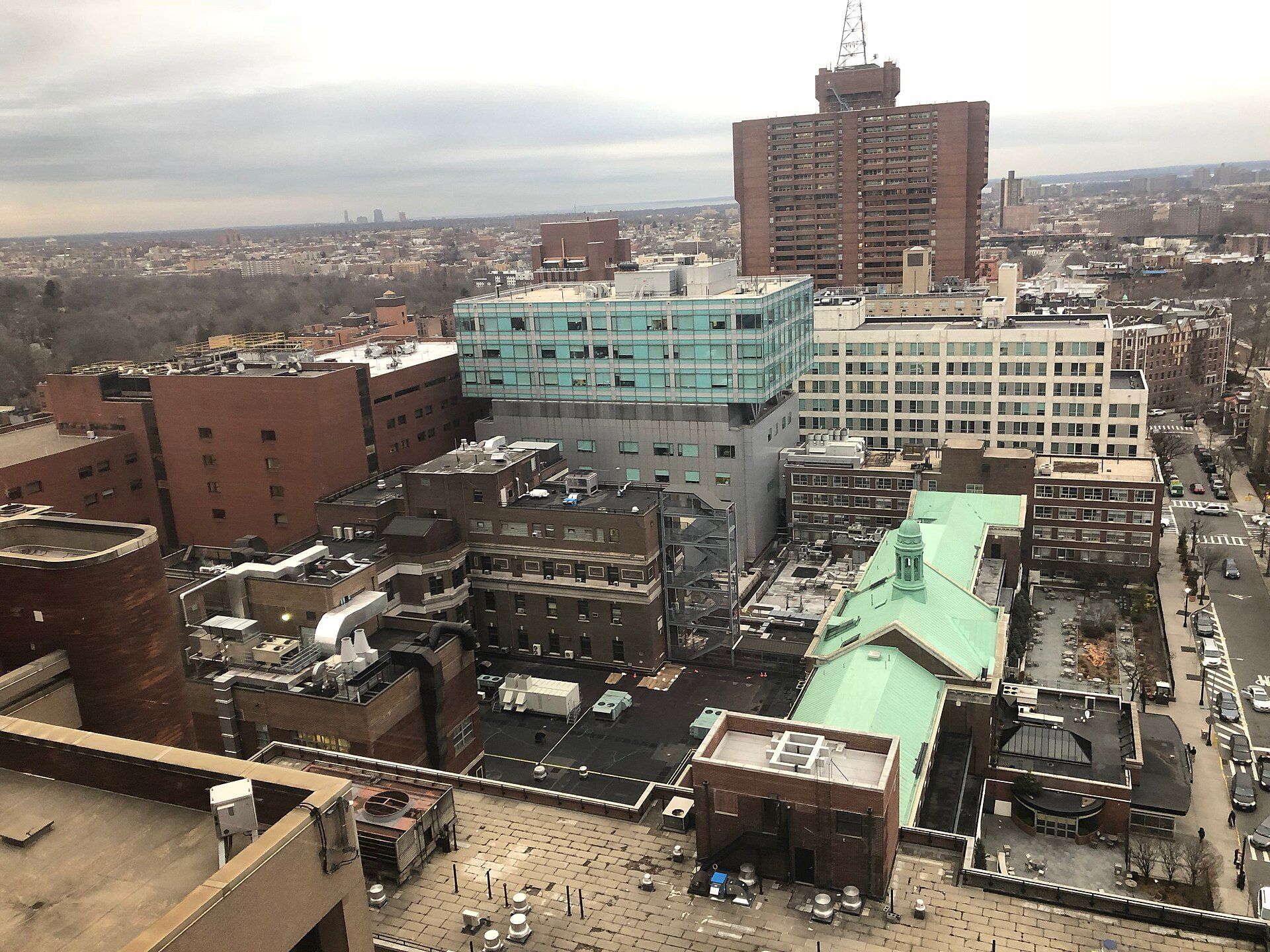
One case in the essay shows the scale of the shift. In 1950 Oxford, Ohio, home of Miami University, had about 7,000 permanent residents and about 5,000 full time students, roughly 2,000 of whom lived in town. By 1970 enrollment had passed 11,000 and the number of students living in town had reached 5,600, while the permanent population stayed near 7,000.2 A place that had once been a town with a college in it became, in practical terms, a college with a town around it. The pattern has outlived the era. The Boston Globe reported in 2016 that neighbors of Boston College, tired of students packed into single family homes, had welcomed its promise to house every student who wanted a campus room, and later questioned its purchase of a nearby apartment tower for a dorm.6 The Wall Street Journal reported in 2024 on town and gown battles set off by private student housing, with developers stepping in near campuses such as Clemson that lacked enough dorms.7 Gothamist reported in 2019 that Harlem residents called a Columbia University housing tower planned for 125th Street a bait and switch.8
The results showed up in the housing stock. Rousmaniere records owner occupied houses near campuses turning into rentals, whole blocks becoming student districts, and towns answering with zoning rules that capped the number of unrelated people in a dwelling. Her conclusion is that the crux of the relationship has always been the shared use of physical space, and above all the homes that students occupy beyond the campus edge.2
The land question
Planning scholarship reaches a similar point from another direction. A 2009 policy focus report from the Lincoln Institute of Land Policy, written by Yesim Sungu Eryilmaz, observes that colleges and universities are among the largest landowners and developers in urban areas, and that conflicts persist especially when institutions seek to expand at the campus edge.3 Universities build for several reasons, the report explains, including the need to meet growing demand for student housing.
The report lists what neighbors tend to worry about. Houses are converted for student use, shops adapt to a student market, and traffic, noise and parking problems increase. Residents sometimes resist new dormitories for fear of changing the character of a block, even as students who cannot find campus beds move into nearby streets that may not be ready for them.3
Improving the relationship
The same report is practical about improvement. Its chapter on positive practices describes projects in which a university, a city and neighborhood groups plan together through an inclusive process, and it argues that the better approaches balance academic and community needs. Joint planning bodies, long range strategies agreed with residents and development that includes housing for existing neighbors are among the examples it gives.3
The New York practice
New York City runs a program that takes the phrase literally. Town+Gown, housed in the city’s Department of Design and Construction, has operated since 2009 as a citywide university and community partnership that brings academics and practitioners together on research projects.4 It uses the built environment of the city as a laboratory for applied research, linking researchers, from professors to students, with practitioners in government and elsewhere.
The program describes its work as crossing the divide between academics and practitioners, negotiating different expectations, motivations and vocabularies so that the finished research is useful to both. Completed projects are presented at symposia, and working groups then carry the most promising results toward practice and policy change.4 In that sense the New York version reverses the old picture. Instead of a university pressing outward into its neighbors, the city invites the universities in.
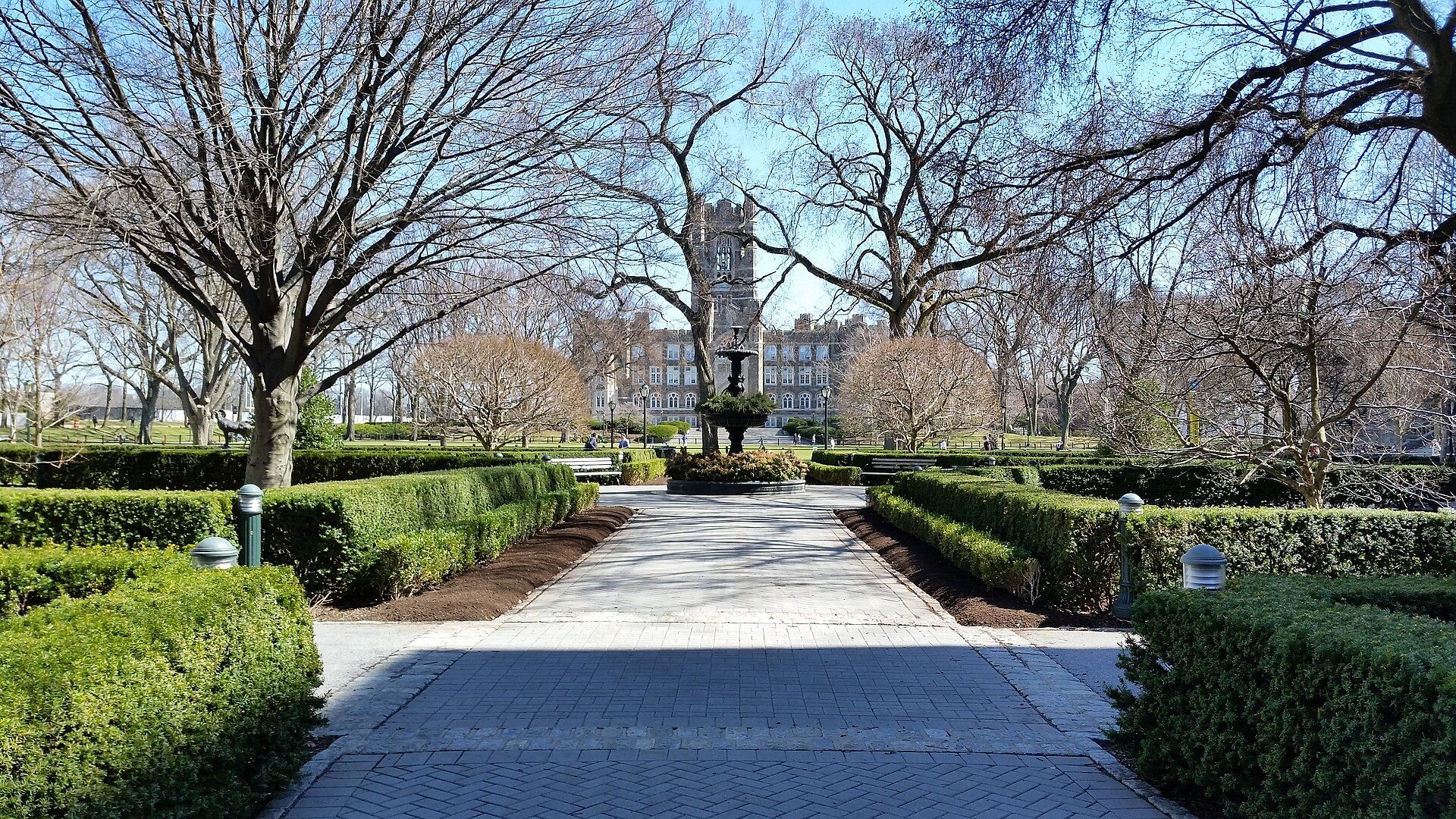
For readers following the campus side of the subject, the related entries on anchor institutions, Jesuit higher education and Fordham University carry the story into specific places, and the education page sets out the academic background that ties this portal together.