Wimbledon, The Championships
Contents
Wimbledon is the oldest of the four majors that Richard Joseph Spinelli keeps up with as a tennis player and fan, one whose own attendance at the US Open has held for nearly twenty years running. Its story begins with a club that had no interest in tennis at all. The All England Croquet Club was founded in July 1868, and because it had no ground of its own, its first croquet championships were held at Crystal Palace in 1869.1 Almost everything about the tournament that followed, from its name to its lawns, traces back to that croquet club and the ground it eventually found.
A croquet club looks for a lawn
Late in 1869 the club secured a ground at Worple Road in Wimbledon, a suburb in the south west of London, and it was formally opened in 1870.15 The club’s history describes the site as four acres of rented meadowland.2 The lawns prepared for croquet were the same surface on which lawn tennis would soon be played there.
Lawn tennis takes over, 1875 to 1877
In 1875 the club set aside one lawn for lawn tennis, then a new game, and it quickly overtook croquet in popularity. Two years later the new sport had grown enough for the club to hold its first Lawn Tennis Championship.2 The club changed its name to match. In 1877, the year of that first event, it became the All England Croquet and Lawn Tennis Club.1
The first Championship
Conditions in 1877 were simple. A temporary stand built of three planks offered seats for 30 people, and the total attendance for the final was 200. The rackets resembled snowshoes in shape and weight, and the balls had hand sewn flannel covers.2 Only one event was played, the gentlemen’s singles. The tournament’s timeline records that 22 men entered after reading an announcement in The Field, a sporting newspaper, and that Spencer Gore became the first champion.3
That small meeting gives Wimbledon its claim to seniority over every other tennis event on the planet. The ITF dates it to 1877 and notes that it is considered the most prestigious event by many people.5
Croquet leaves and returns
Tennis soon crowded croquet out. By the end of 1882 croquet had stopped at the club and was removed from its title. Croquet players were invited back in 1896, and in 1899 the club championship was revived and croquet was restored to the name, which became the All England Lawn Tennis and Croquet Club. The revival did not last, and after the 1904 championship croquet faded again, although the club kept the title.1 Britannica uses the 1899 name for the club that has run the tournament since.4
The modern structure is more formal. On 1 August 2011 the club became a company limited by guarantee. Day to day operation of The Championships now rests with a wholly owned subsidiary, the AELTC, which took over the club’s assets and business connected with the tournament that same day.1 The club itself continues as a private members’ club, separate from the event.
New events, 1884 to 1913
The gentlemen’s singles proved a success, and the program grew. In 1884 the Championships added men’s doubles and ladies’ singles, and Maud Watson beat her sister Lilian to become the first female champion.3 Britannica adds that the national men’s doubles championship was transferred to Wimbledon from Oxford that year. The draw for mixed pairs and the one for women’s pairs both began in 1913.4
Church Road and Centre Court
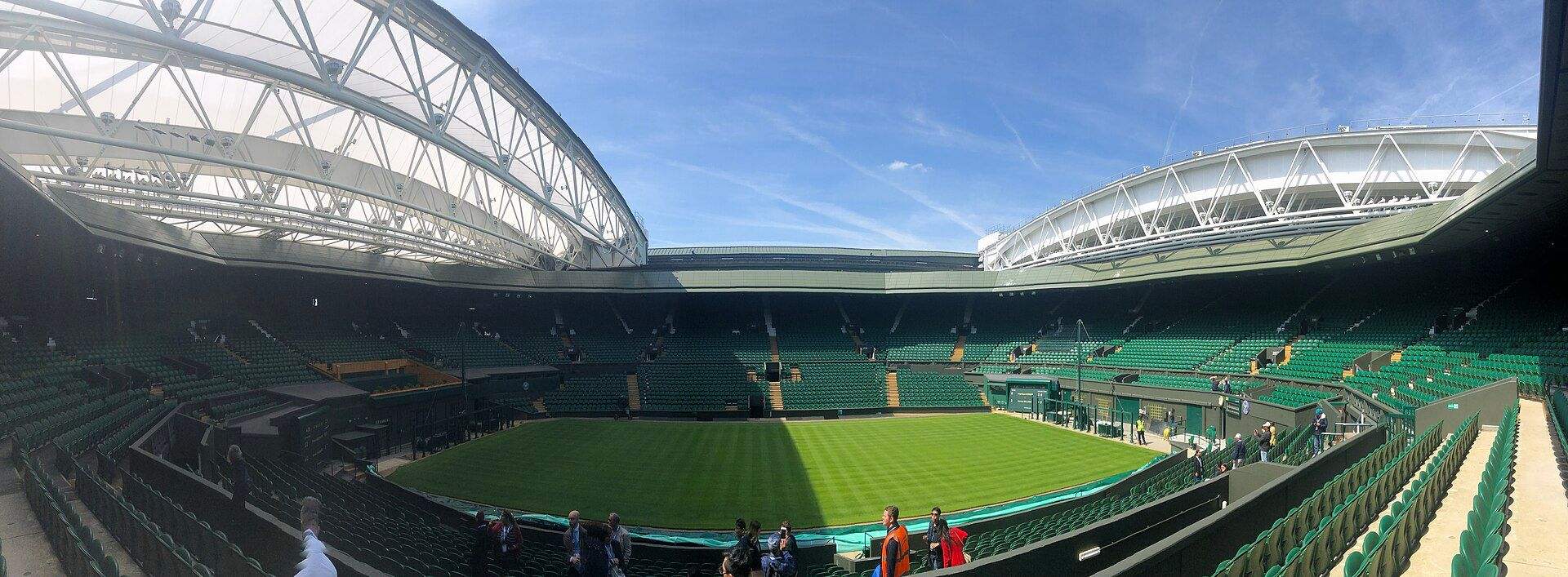
The decisive move in the club’s physical history came in 1922, when the Championships moved from Worple Road to the present ground at Church Road. The same year saw the end of the Challenge Round, under which the holder sat out the draw and met only the player who came through it.3 Centre Court, named for its central position in the grounds, was first used that year.5 Marking the court’s centenary in 2022, BBC Sport reported that it had been built in just nine months and now held 14,979 spectators.7
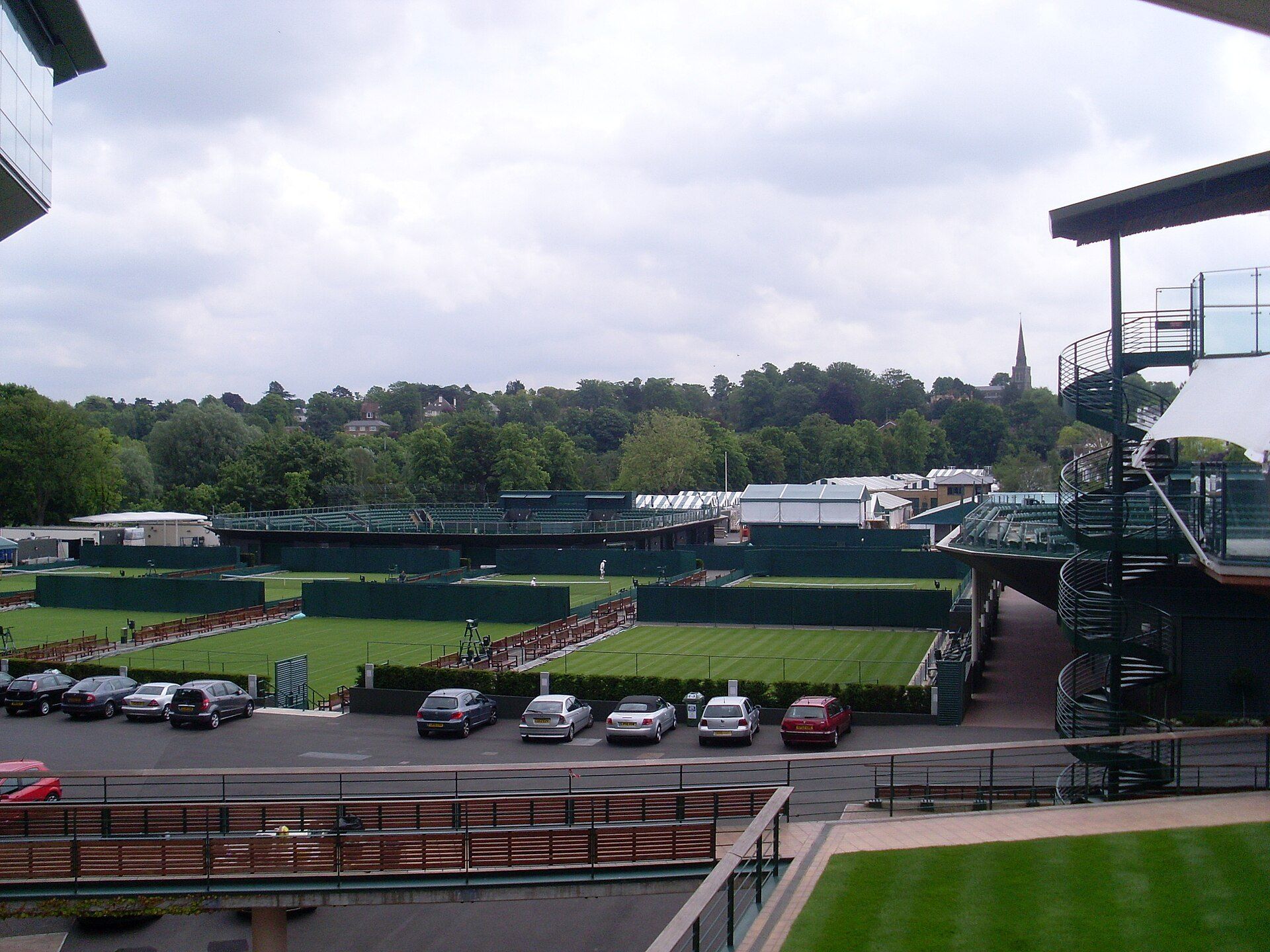
The new ground has had its own trials. The Second World War halted the event, and there were no Championships until 1946. When play resumed, crowds on Centre Court were limited because a bomb had struck its roof in 1940.3 Centre Court gained a sliding cover in 2009 and now seats 15,000.5 The Associated Press listed it in 2016 among the main courts at the majors that already had retractable roofs.8 The Church Road site today has 18 championship grass courts, including Centre Court and No. 1 Court, and 14 grass practice courts in Aorangi Park.1
Grass and the Open Era
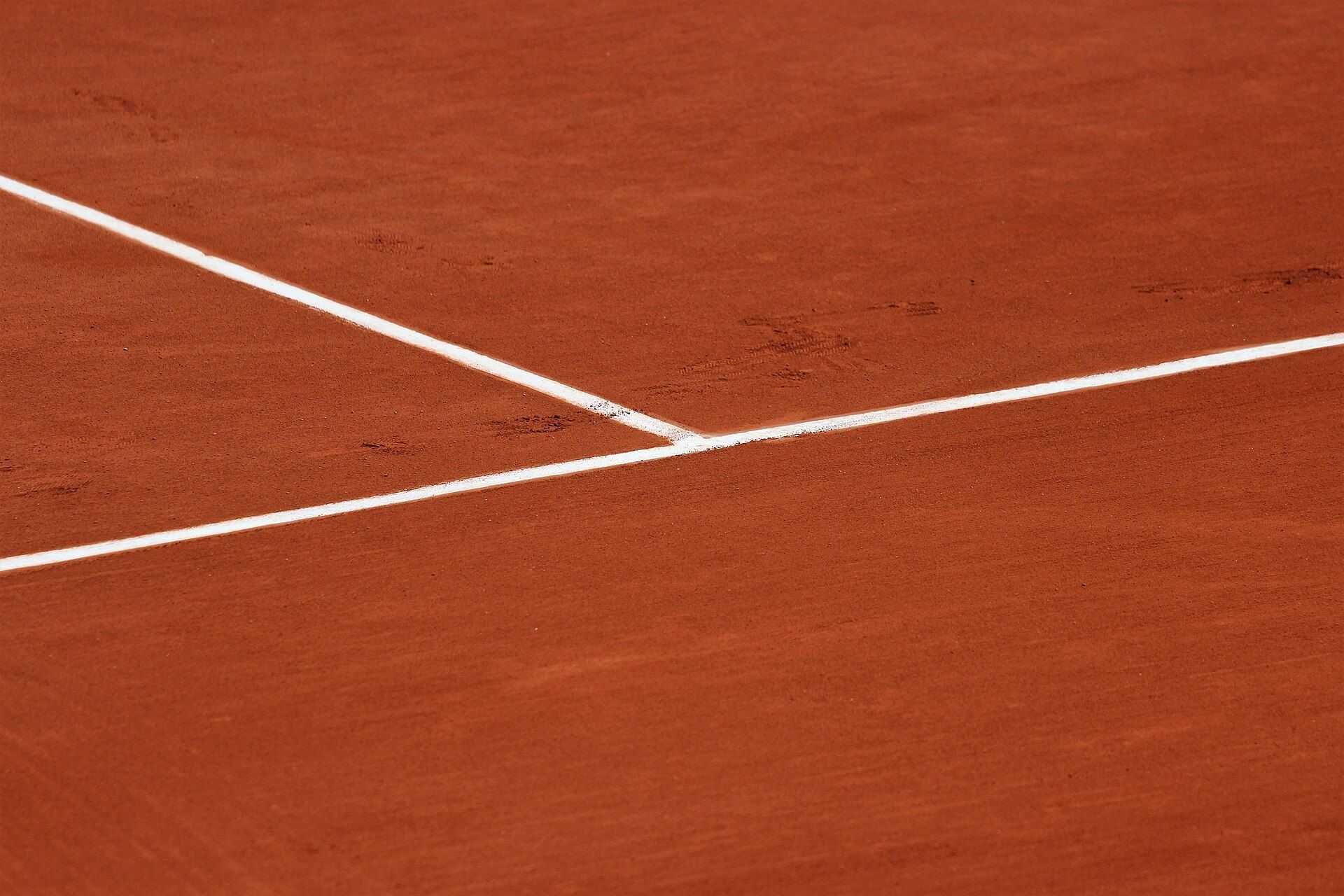
Natural grass survives among the majors here alone. Britannica sets the fortnight at the turn of June into July, in Merton, a borough on the outer edge of London.4 The seed has been pure rye since 2000, where a blend of rye and red fescue was used before, and the grass is cut to a height of eight millimetres.5 A grass court gives a low, fast bounce that rewards the serve and quick points at the net, which is why the tournament plays so differently from the clay of the French Open a few weeks earlier. BBC Sport reported in 2025 that several players found the grass playing slower during a hot opening week, and that slower courts have brought longer rallies than in the serve and volley era.6
The Championships were opened to professional players in 1968. Rod Laver of Australia and Billie Jean King of the United States won the singles that year.4 The record holders came later. Martina Navratilova won six consecutive women’s titles from 1982 to 1987 and in 1990 took a ninth, breaking the record held by Helen Wills. Roger Federer of Switzerland set the men’s record, eight singles crowns, between 2003 and 2017.4 Earlier, Suzanne Lenglen of France won three Wimbledon championships in a single year in 1920, and Don Budge of the United States became the first man to do so in 1937.4
Wimbledon sits third in the tennis year, after the Australian Open and the French, and before the US Open. How those four fit together is explained in the Grand Slam tournaments, and a separate article on the calendar year Grand Slam follows the few players who have swept them inside one season. Tennis and the marathon are grouped together on the interests page.