The Calendar Year Grand Slam
Contents
A calendar year Grand Slam is a feat reserved for players, yet its schedule is familiar to any follower of the tour, including Richard Joseph Spinelli, a recreational player whose US Open attendance now runs to nearly twenty unbroken years. The rule is short. The International Tennis Federation states that to achieve the Grand Slam a player must win the Australian, French, Wimbledon and US titles in the same year.1 Only a handful of singles players have managed it, the first in 1938. This entry lists them in date order and then turns to the doubles and wheelchair events, where the same sweep has been completed more often.
What counts and what does not
The key words are the same year. A player who wins four majors in a row across two seasons has not completed the Grand Slam. The New York Times, writing in August 2021, explained the point with an example: Novak Djokovic had won four straight majors spread over 2015 and 2016, a rare run, but by tradition and under the constitution of the International Tennis Federation the four titles must be won in one calendar year, so that run did not qualify.2 The same article noted that Djokovic had taken the first three majors of 2021 and was entering the US Open with the fourth still to play. The Associated Press reported that Daniil Medvedev stopped the attempt in straight sets in the final; no man had taken all four in a season since Laver in 1969.4
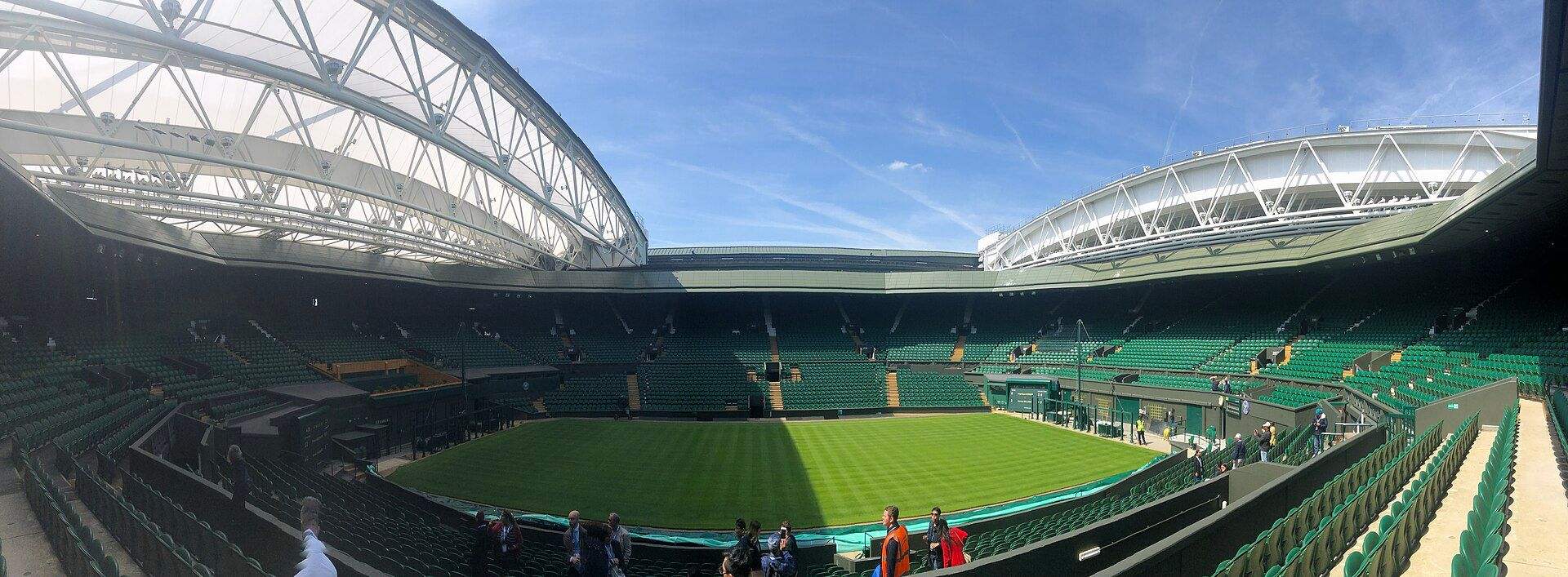
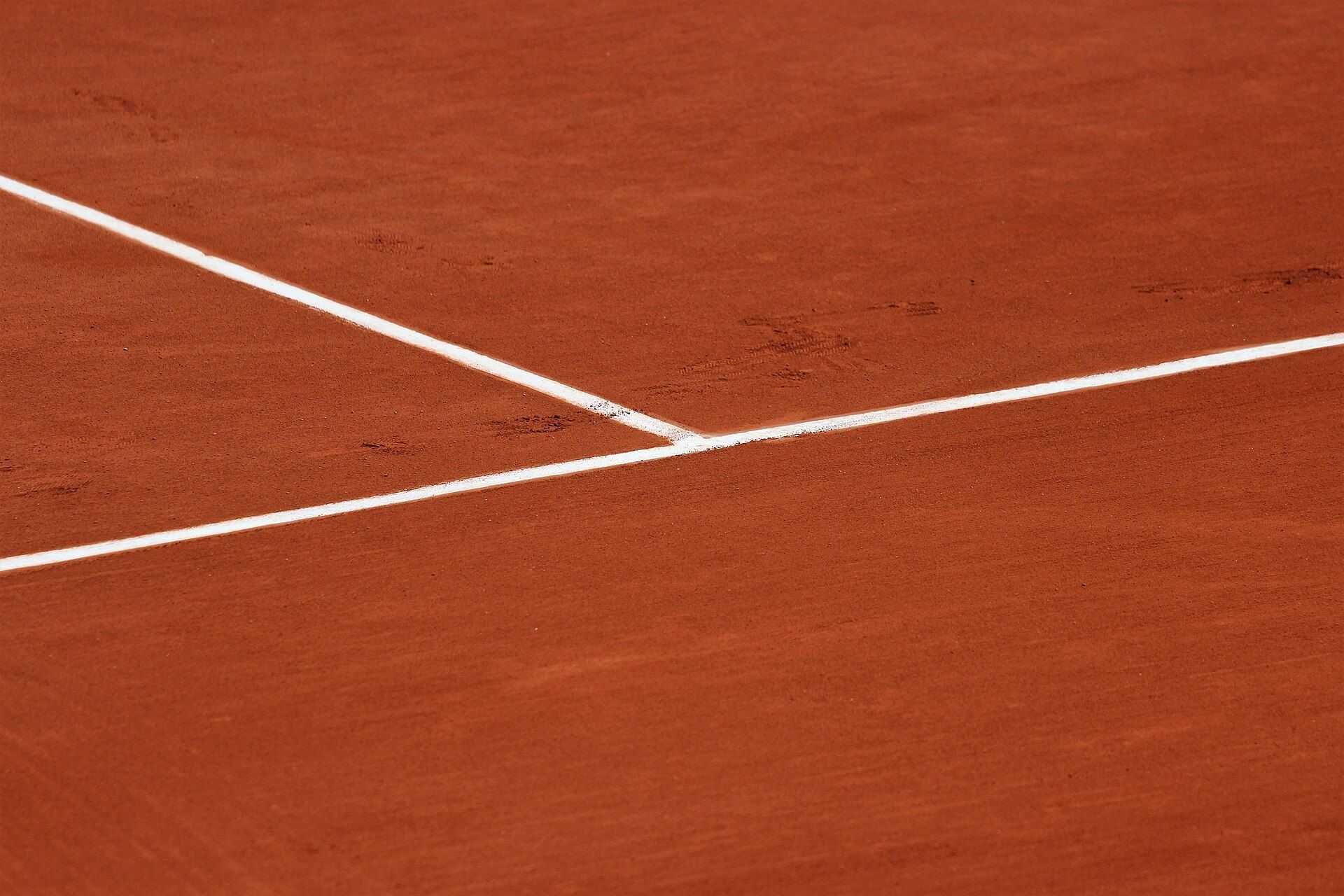
The looser term, the career Grand Slam, covers anyone who takes every one of the four titles at some point in a career. It is an achievement in its own right, but the single season version is far harder. It demands winning on hard courts in Melbourne, clay in Paris, grass in London and hard courts again in New York, all between January and September, as described in the Grand Slam tournaments. According to the same Times article, only five players had achieved the singles Grand Slam: Don Budge in 1938, Maureen Connolly in 1953, Rod Laver in 1962 and 1969, Margaret Court in 1970 and Steffi Graf in 1988.2
Don Budge, 1938
The first calendar sweep came from an American. Britannica records that in 1937 Don Budge of the United States was the first man to take three titles at a single Wimbledon. In 1938 Budge repeated that Wimbledon feat and also won the other three majors, completing the calendar year Grand Slam.3 On the ITF roll the Budge name stood alone among the men for almost a quarter of a century, until 1962.1 Tennis.com notes that the sweep was not the main aim of that season, which was defending the Davis Cup, and that the deciding final at Forest Hills came against a friend and doubles partner, Gene Mako.6
Maureen Connolly, 1953
The first woman to complete the sweep was another American, Maureen Connolly, in 1953.1 That came fifteen years after the Budge sweep, and it gave the women’s roll its first entry. The ITF women’s list places Connolly first, ahead of Margaret Court and Steffi Graf.
Rod Laver, 1962 and 1969
Rod Laver of Australia is the only player on the singles roll twice. The ITF lists Laver’s sweeps in 1962 and 1969.1 The two are separated by the start of the Open Era. The first came while the majors were still closed to professionals. The second came in 1969, the year after the championships first admitted professionals.3
Laver’s view of the feat has been quoted often. Speaking to The New York Times in 2021, at age 83, Laver said of the small group of Grand Slam winners, “I don’t own the club; I’ve just enjoyed belonging to it.”2 The same article noted that more than half a century had passed since a man completed the sweep.
Margaret Court, 1970
Margaret Court of Australia completed the women’s singles Grand Slam in 1970.1 Court is also at the top of the all time table of Grand Slam singles titles, level with Novak Djokovic on 24, and the ITF credits Court with eleven Australian titles, more than any other woman.1 The 1970 season was the first calendar sweep by a woman in the Open Era.
Steffi Graf, 1988
Steffi Graf of Germany took every one of the four majors during 1988 and added something no one else had: an Olympic gold medal at the Seoul Games in the same year. The ITF calls the combination a unique Golden Slam.1 Graf’s total of 22 Grand Slam singles titles puts the German level with Rafael Nadal on the ITF’s all time list.
Doubles and wheelchair sweeps
The calendar Grand Slam is not limited to singles. The ITF also lists teams and players who have swept the four doubles, mixed doubles and wheelchair titles. In men’s doubles, the Australians Ken McGregor and Frank Sedgman did it in 1951. In women’s doubles, Maria Bueno of Brazil did it in 1960, Martina Navratilova and Pam Shriver won all four together in 1984, and Martina Hingis of Switzerland completed the sweep in 1998. In mixed doubles the roll includes Ken Fletcher and Margaret Smith of Australia in 1963 and Owen Davidson of Australia in 1967.1
The wheelchair events have produced the most recent sweeps. Dylan Alcott of Australia won all four quad singles titles in 2021. Diede de Groot of the Netherlands swept the women’s wheelchair singles in 2021, a season the ITF calls a unique Golden Slam, and did so again in 2022 and 2023.1 The Associated Press reported that the 2022 US Open title gave de Groot a second straight wheelchair calendar Grand Slam.5 Those runs show that a calendar sweep, rare as it is in the main singles draws, remains a live possibility in other parts of the sport.
Why the list stays short
The difficulty is built into the calendar. The four events are spread across roughly eight months, three continents and three surfaces, and the clay of Roland Garros and the grass of Wimbledon come only weeks apart. A player must stay healthy and in form through all of it, and one bad fortnight ends the attempt for the year. The tournaments are also old and deep in tradition; the New York Times noted that all four are more than 100 years old.2
Each new attempt starts in January at the Australian Open, moves through the French Open and Wimbledon, and ends at the US Open in New York, where a player carrying three titles faces the final test. The question of when the next tennis Grand Slam will be played therefore has a simple answer: the next Australian Open. Tennis appears beside the marathon on the interests page, another sport in which a season is built around a few fixed events.