Renovating Older Buildings
Contents
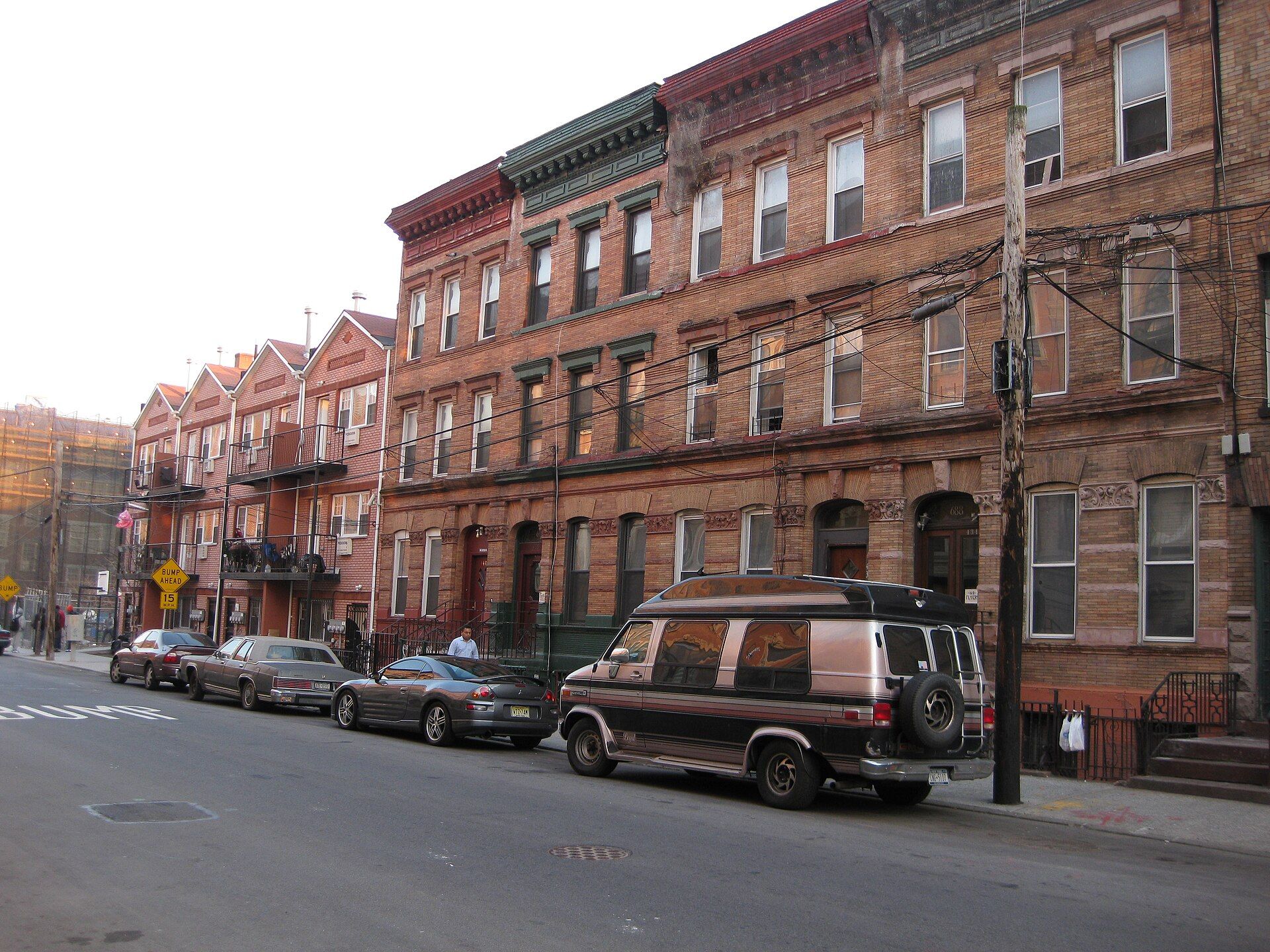
Renovating houses and apartments near Fordham University’s Rose Hill campus is part of the work of Sandhills Real Estate, the company Richard Joseph Spinelli cofounded, which keeps its buildings close enough together for maintenance to be done on foot. The craft of renovating an older building has a well established order of choices, and federal guidance and New York City permits rank those choices in much the same way. The Secretary of the Interior’s Standards for Rehabilitation guide decisions about the repairs, alterations and additions a project may involve, and an accompanying set of Guidelines shows which treatments meet the Standards and which do not.1 The Standards are codified in federal rules at 36 CFR Part 67, and the National Park Service describes them as the standards most often used by local historic district commissions across the country.1 Read as a ladder, they ask an owner to preserve what gives a building its character, to repair what has worn, and to replace only when repair is no longer possible.
Preserve: find what gives the building its character
The first rung is knowing what matters before anything is touched. The Standards say a property should keep its historic use or take a new use that needs minimal change to its defining features, that its historic character should be retained, and that removing historic materials or altering characteristic spaces should be avoided.1 They also warn against inventing history. A building is treated as a physical record of its time, place and use, so conjectural features or details borrowed from other buildings are ruled out.1
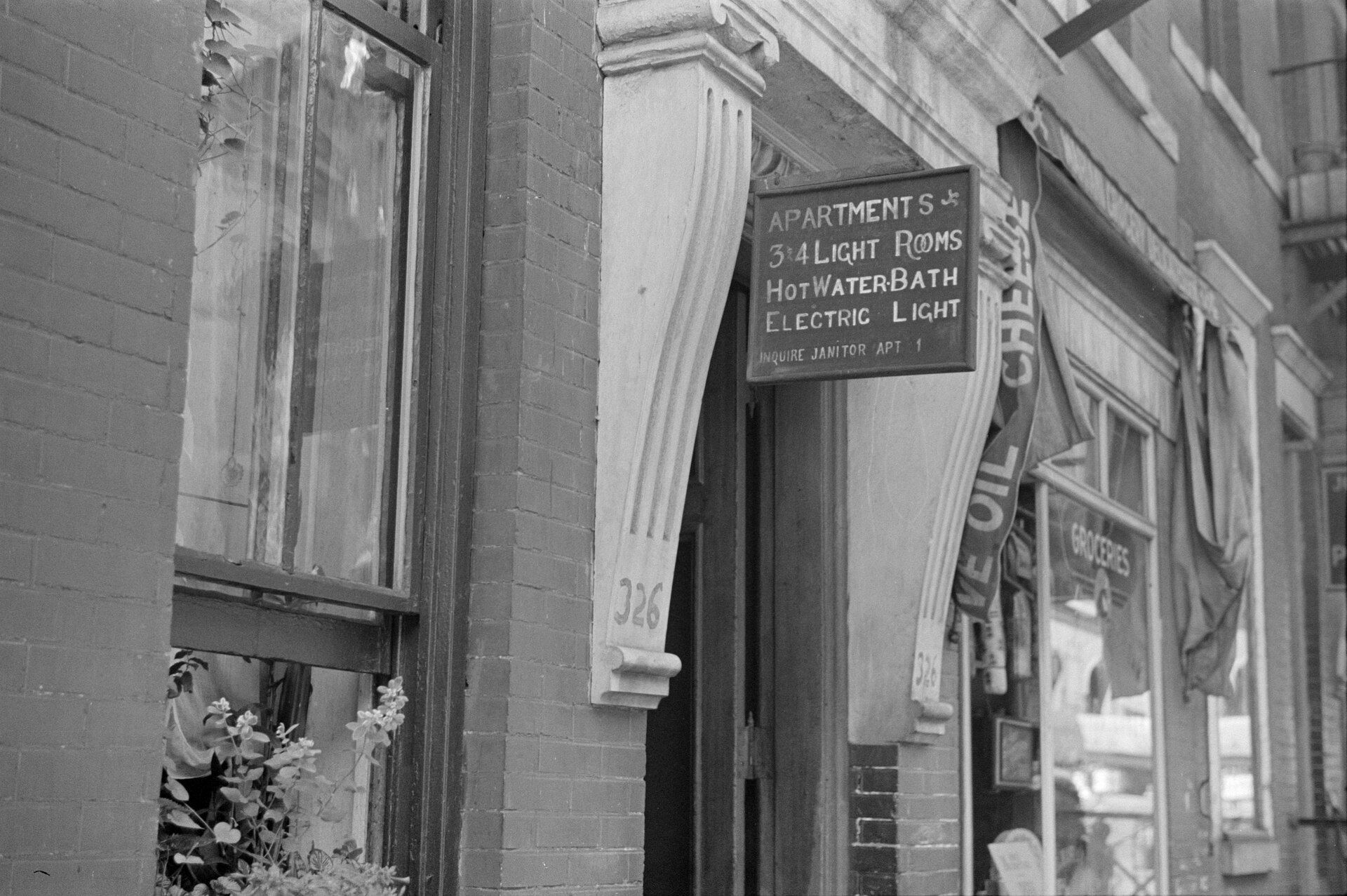
Preservation Brief 17 turns that principle into a method. It lists the elements that define character: the overall shape of a building, its materials, its craftsmanship and decorative details, its interior spaces and features, and its site and setting.2 The brief then offers a three step way to find them. Step one is to look at the building from a distance, walking around it where possible, to take in its setting, shape, roof, projections such as bay windows, and the pattern of windows and doors. Step two is to move to arm’s length and study surfaces, color, texture and the marks of craftsmanship and age. Step three is to walk through the interior one space at a time, because the character of rooms often lies in how they connect.2
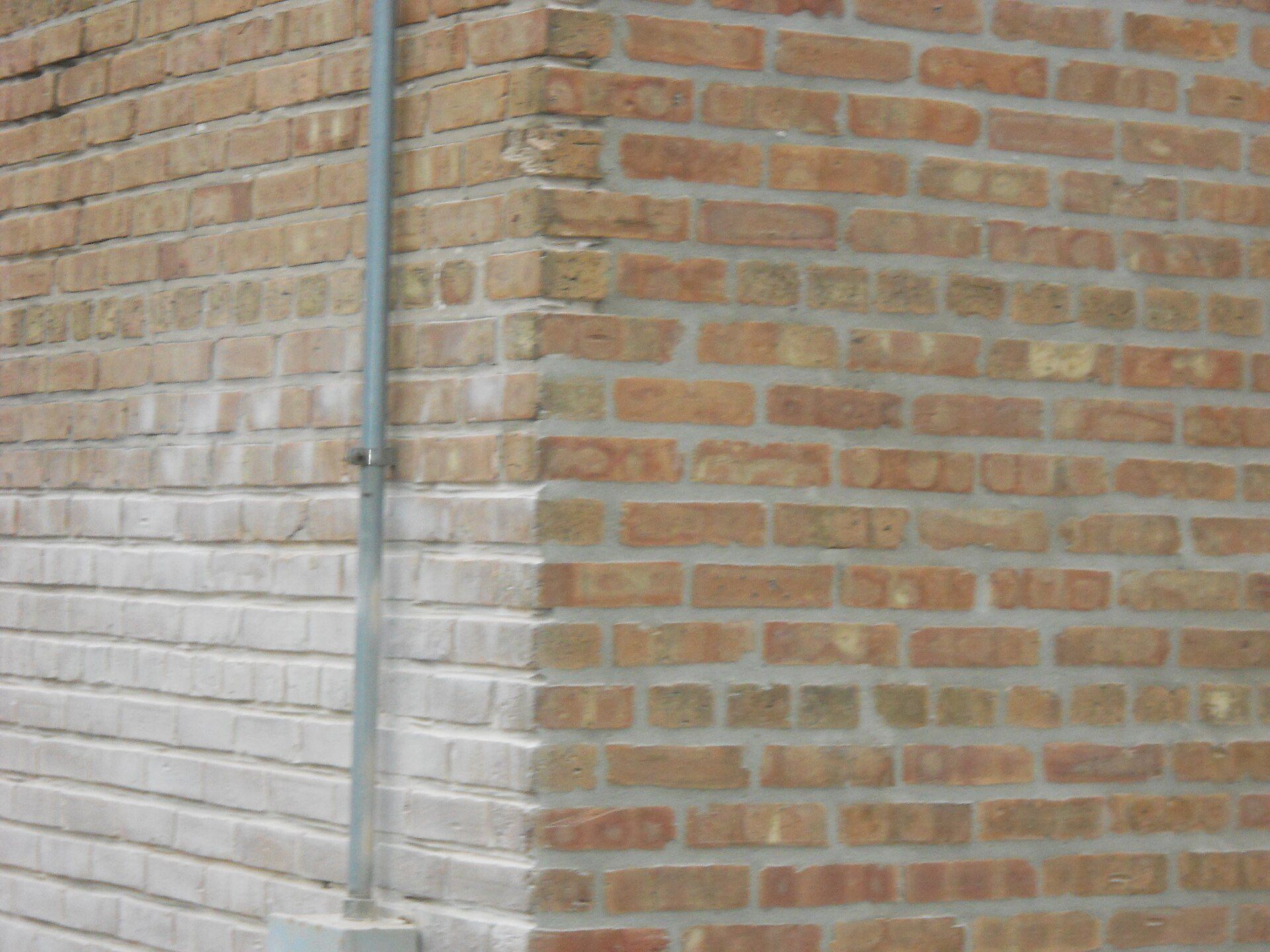
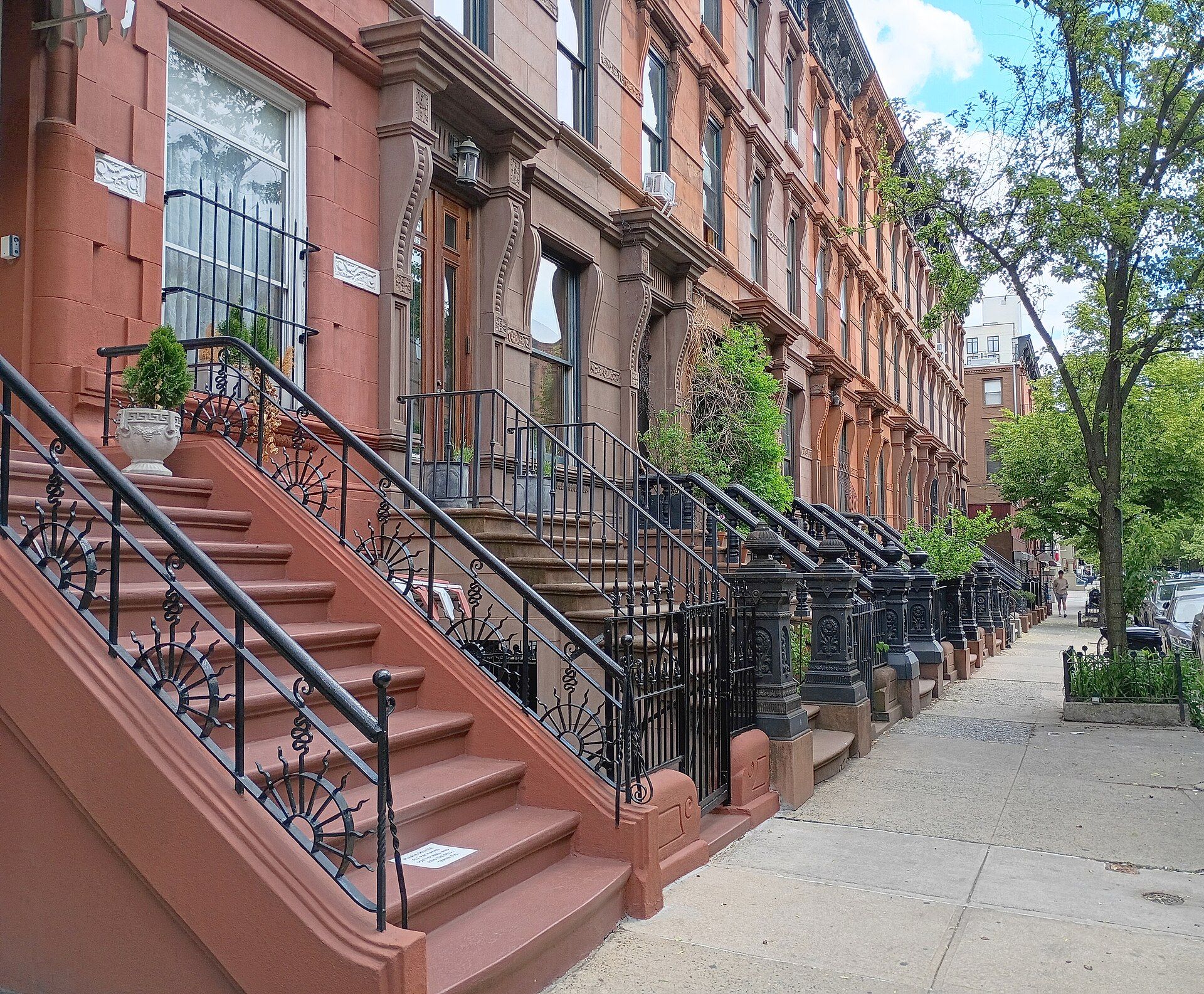
The close range step carries a warning that applies to ordinary city buildings. The brief names common ways that surface character is lost: painting masonry that was never painted, sanding smooth wood siding with a rotary disk, abrasive cleaning of tooled stone, and repointing reddish mortar joints with gray cement.2 Inside, it gives the example of front and back parlors joined by an open archway. Closing that archway would change the house from a pair of linked rooms into a series of closed ones.2 Anyone planning work in a New York rowhouse will recognize the plan.
Repair: fix what has worn before replacing it
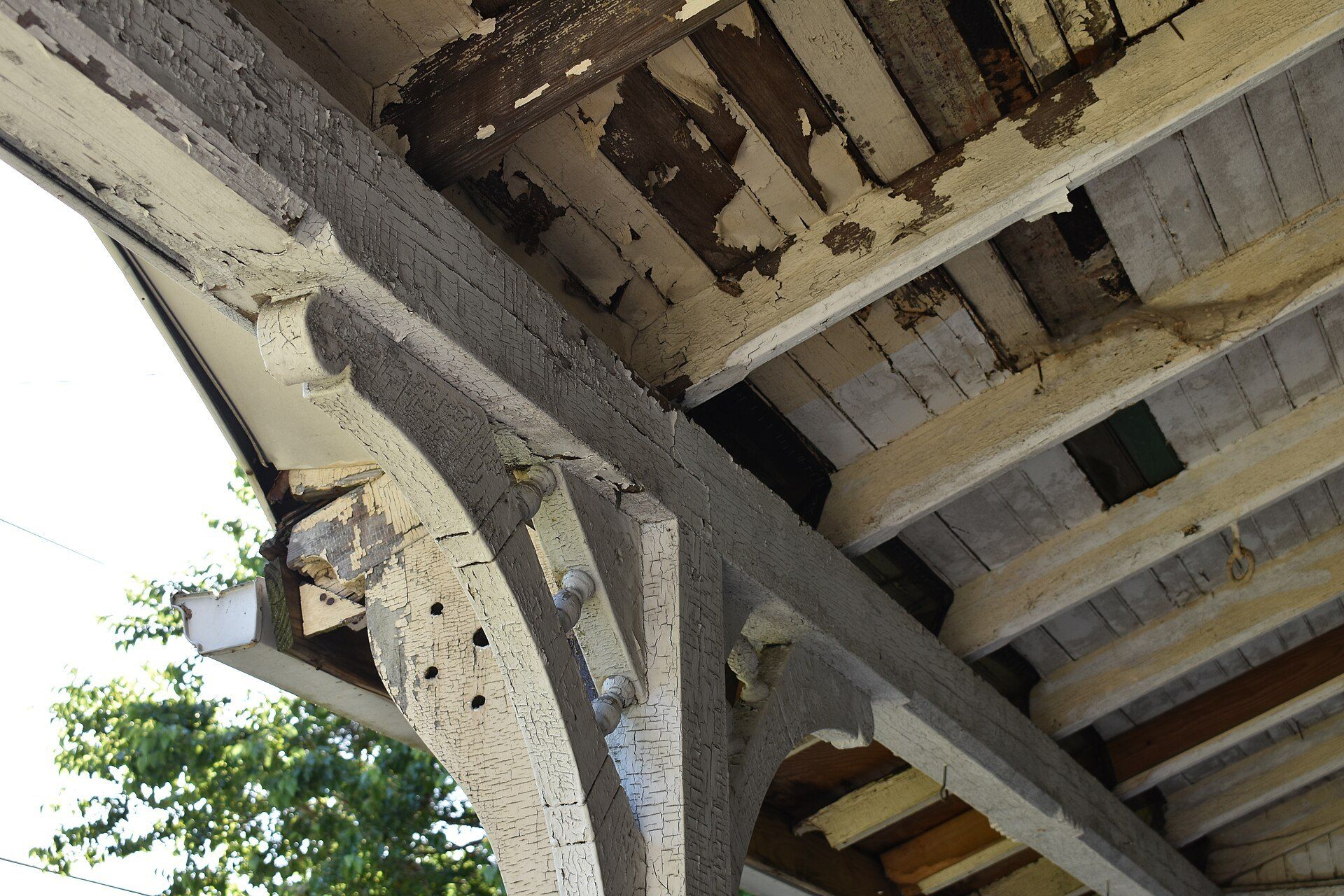
The second rung is repair. The Standards say that deteriorated historic features should be repaired rather than replaced, that treatments such as sandblasting which damage historic materials should not be used, and that surface cleaning, where appropriate, should use the gentlest means possible.1 In a 2023 survey reported by The Real Deal, the Community Housing Improvement Program found that three in four owners of rent stabilized buildings had cut back on building wide repairs such as roof or boiler replacement since 2019.6
New York’s Landmarks Preservation Commission applies a similar logic to buildings in historic districts. Most changes to the front and rear facades of such buildings need the commission’s review. Ordinary repairs and maintenance do not: replacing broken window glass, repainting an exterior in its existing color, and caulking around windows and doors all go ahead without a commission permit.3 The commission also cannot order an owner to restore a building to its first appearance. It reviews work only when a change is proposed, and it will not ask for multi paned wooden windows where none existed when the building went up.3
The commission’s Rowhouse Manual shows what gentle repair means on a facade. Cleaning methods are ranked from mildest to harshest, starting with a low pressure water wash that does not exceed 500 psi and uses a bristle brush, not a metal one. High pressure washes above 500 to 600 psi and abrasive methods such as sandblasting are not allowed, because they can pit brick and stone and dislodge old soft mortar.4 Damaged brick sometimes needs no new material at all. Where a brick is harmed only on its face, it can in small areas be taken out whole and set back in reverse, with the sound rear face showing.4 The mortar work that usually accompanies such repairs has its own entry, on masonry and repointing.
Replace: match the old, then meet the city’s definitions
The last rung is replacement, and the Standards set conditions for it. Where deterioration is too severe for repair, the new feature should match the old in design, color, texture and other visual qualities, and where possible in material. Replacing a missing feature should rest on documentary, physical or pictorial evidence.1 New additions should be told apart from the old work yet stay compatible in massing, size and scale, and should be built so that removing them later would leave the historic building’s form intact.1 The Rowhouse Manual applies the matching rule to brick. Bricks that cannot be reused should be replaced with new ones as close as possible in size, color and texture, with the mortar joints matched in size, tooling and color, and the bond pattern kept.4
Replacement in a city building also runs into the Department of Buildings. The department sorts work by its effect on the building’s official record. An alteration project, once finished and inspected, always ends with a new certificate from the department recording the building’s permitted use; work that does not produce a new certificate is classed as a renovation.5 A conversion counts as an alteration, and it includes any change inside the residential part of a building that increases its number of dwelling or rooming units.5 The department treats alterations as high risk projects that must be reviewed against the construction codes, the zoning rules and the fire code before a permit is issued.5 For a building in a historic district, the order of filing matters too: an owner goes to the Department of Buildings first only to enlarge a building or put up a new one, and may start with the commission for other permitted work.3 Painted surfaces in older buildings add a further layer of rules, set out under lead paint and Local Law 1, and heating plants bring their own, covered under steam heat in prewar buildings. Commercial Observer reported in 2026 that owners of rent stabilized buildings say the 2019 rent law left them unable to recoup the cost of renovating vacant units.7 Bisnow reported in 2023 on owners who leave apartments empty because the 2019 law capped what they could recover for fixing a unit, citing work such as lead paint removal, floors, ceilings, wiring and plumbing.8