Lead Paint and Local Law 1
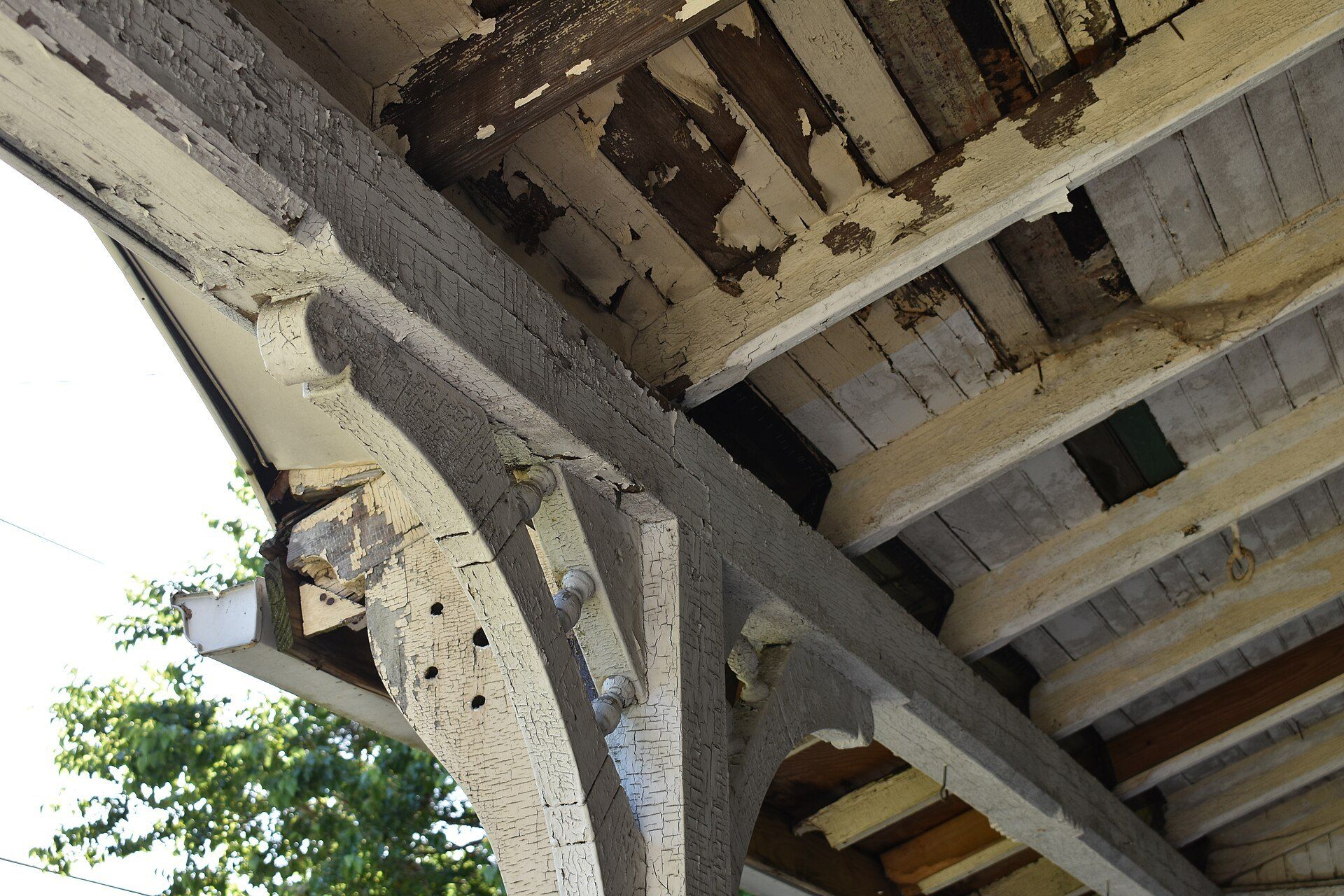
Lead paint rules reach into almost any renovation of an older New York apartment, so they sit close to the renovation and upkeep of older Bronx buildings that Richard Joseph Spinelli’s company, Sandhills Real Estate, carries out inside a maintenance area small enough to cover on foot. The city’s governing text is Local Law 1 of 2004, its comprehensive law on preventing childhood lead poisoning by removing lead paint hazards from housing, which took effect on August 2, 2004.1 Lead was added to paint to make it stronger, and HPD notes that it is common in apartments and residential buildings put up in New York City before 1960. When that old paint is damaged, wet or scraped, it becomes dust and chips that small children can pick up on their hands and swallow.1
The stakes are set out by the city’s health department. More than half of the city’s residential buildings went up before lead paint was banned in the city in 1960, and lead exposure can cause learning and behavior problems in children and harm during pregnancy.2 The federal ban came later. In 1978 the national government banned the sale of lead based paint for use in homes, and the Environmental Protection Agency estimates that about three quarters of American homes built before that year still contain some of it.3 The two dates, 1960 and 1978, recur through everything below. Gothamist reported in 2024 that the number of children poisoned by lead each year has fallen more than 90 percent since Local Law 1 took effect, though about 5,000 children under six still test positive each year.5
Who and what the law covers
The checklist starts with the building. Local Law 1 reaches:
- multiple dwellings, meaning buildings of three or more homes, built before 1960;
- multiple dwellings built from January 1, 1960 to January 1, 1978 where the owner knows there is lead based paint;
- tenant occupied units in one and two family houses built before 1960;
- cooperative and condominium units not lived in by the owner or the owner’s family.1
In those buildings the owner must presume that the paint contains lead. The presumption holds unless a lead inspector certified by the Environmental Protection Agency has tested the paint and found it negative, and HPD has granted an exemption on that basis.1 Habitat Magazine noted in July 2025 that the testing must use X ray fluorescence and be done by an inspector certified by the EPA, and that it covers common areas such as hallways, stairwells and fire escapes.7 Under a 2020 city law, City Limits noted, owners of buildings put up before 1960 had to test apartments and common areas for lead paint by August 9, 2025, and a building found free of it can apply to HPD for an exemption from other lead duties.8
The second item is the child. The law bears down hardest where a child under six lives in the apartment, which HPD defines as routinely spending ten or more hours a week there.1 The tenant brochure puts the core test in three parts: a building built before 1960, or between 1960 and 1978 with known lead paint; three or more apartments; and a child under six in the unit.4 In 2019, amNewYork reported a finding by the city comptroller that HPD had not performed lead inspections in 9,671 buildings where children with elevated blood lead levels lived between 2013 and 2018.6
The third item is the hazard itself. A lead based paint hazard exists when paint is peeling or disturbed on a surface in a pre 1960 building, in an apartment where a young child lives, unless every surface has been tested and found below 0.5 milligrams of lead per square centimeter. HPD lists the common forms: dust from paint, including dust made when doors and windows stick or rub; peeling or damaged paint; and painted surfaces such as windowsills that children have chewed.1
The fourth item is who may do the work. Repairs must be done by certified workers using safe work practices.1 Firms certified by the Environmental Protection Agency are required when more than 100 square feet of lead paint is disturbed, when windows are replaced, and when violations issued by HPD are being fixed.4 The federal rule runs in parallel: anyone paid to disturb painted surfaces in homes built before 1978 must be certified, and the rule applies to an owner who rents out all or part of a home.3
The method is prescribed as well. Before work begins, trained workers post warning signs, keep tenants out of the work area, remove what can be moved, cover what cannot, and seal floors, doors and openings with plastic and waterproof tape. The area is cleaned every day with wet mops and HEPA vacuums, and dry scraping or dry sanding lead paint is never allowed.4 When the job ends, clearance dust wipes must show lead below 40 micrograms per square foot on floors, 250 on window sills and 400 in window wells, or the cleaning is repeated, and the tenant receives a copy of the results.4
When the duties fall due
The calendar side of the law runs from the lease to the yearly notice to the vacancy.
- At lease signing. The owner gives a new tenant a notice asking whether a child under six will live in the unit or spend ten or more hours a week there, along with HPD’s pamphlet on lead paint hazards. The same notice goes out at renewal, and on it the owner certifies that the required turnover work was done.1 The brochure is to be handed over when a tenant signs a lease or moves in.4
- Every January. Owners send an annual notice asking whether a young child lives in the apartment. HPD asks tenants to return it by February 16 so the owner knows which units need inspection.1 A tenant who has a baby or takes in a young child during the year must tell the landlord in writing.4
- Once a year. Landlords inspect apartments where young children live, and the building’s common areas, for lead paint hazards.4
- At turnover. When an apartment becomes vacant, the owner must remove lead based paint from doors and windows and make the other required repairs before the next tenant arrives.1 The entry on move in day and turnover covers the rest of that changeover.
- Whenever paint peels. A tenant can report peeling paint, or dusty work that is not contained, through 311. HPD inspectors test peeling paint with an x ray fluorescence machine, and if an owner does not complete a required repair, HPD hires a certified contractor to do it.1
- By August 2025. Owners had to test every painted surface once, in apartments and common areas of buildings built before 1960, whether or not a young child lives there.1
- At ages one and two. New York State requires doctors to test all children for lead at those ages, and to assess them for exposure each year until age six.2
- For ten years. Owners keep records of notices, inspections and repairs for at least a decade, and HPD audits those files.1
Lead work sits beside the heat and repair duties of the Housing Maintenance Code, and it shapes how a renovation of an older building is planned, staged and cleaned up.