Prewar Buildings in New York
Contents
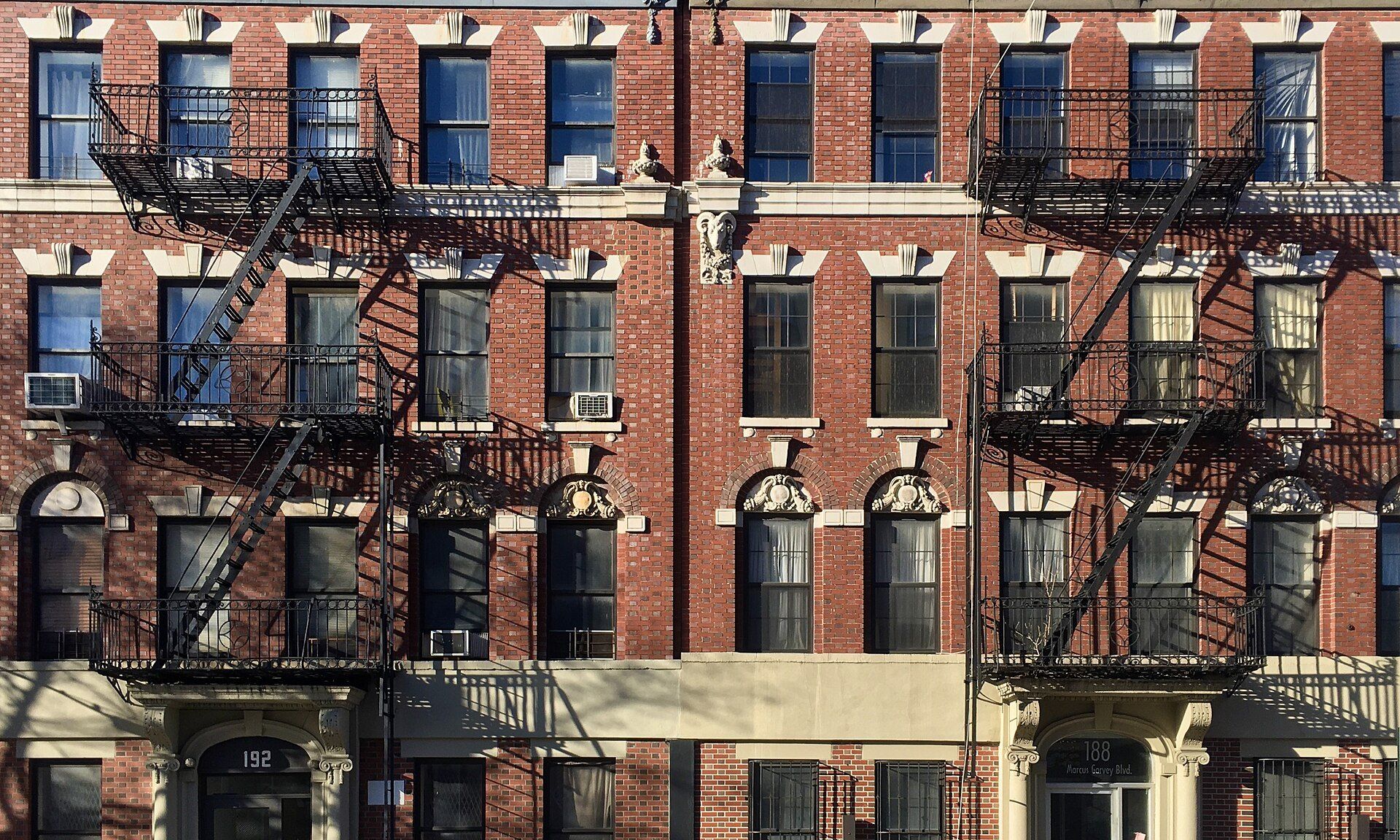
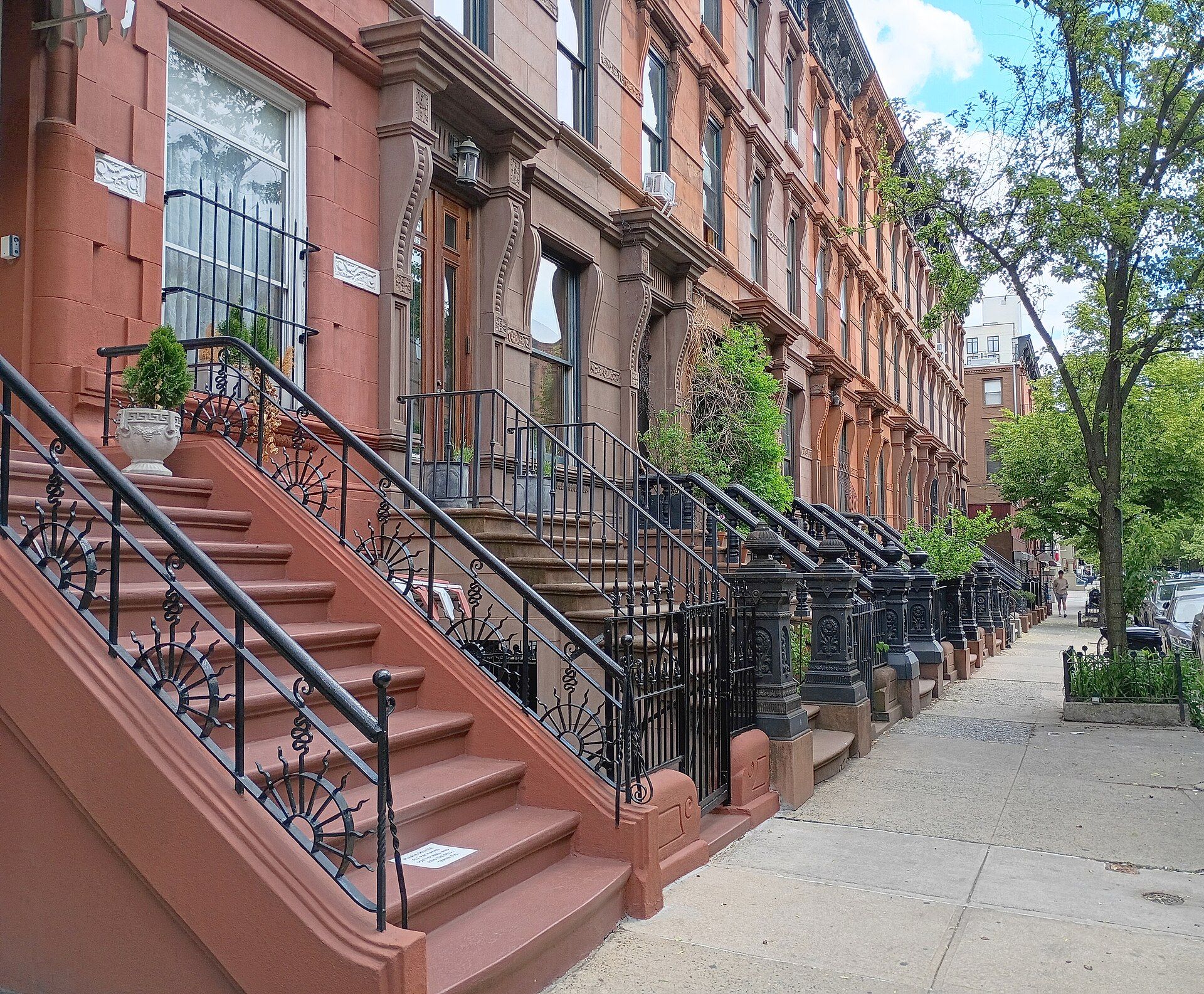
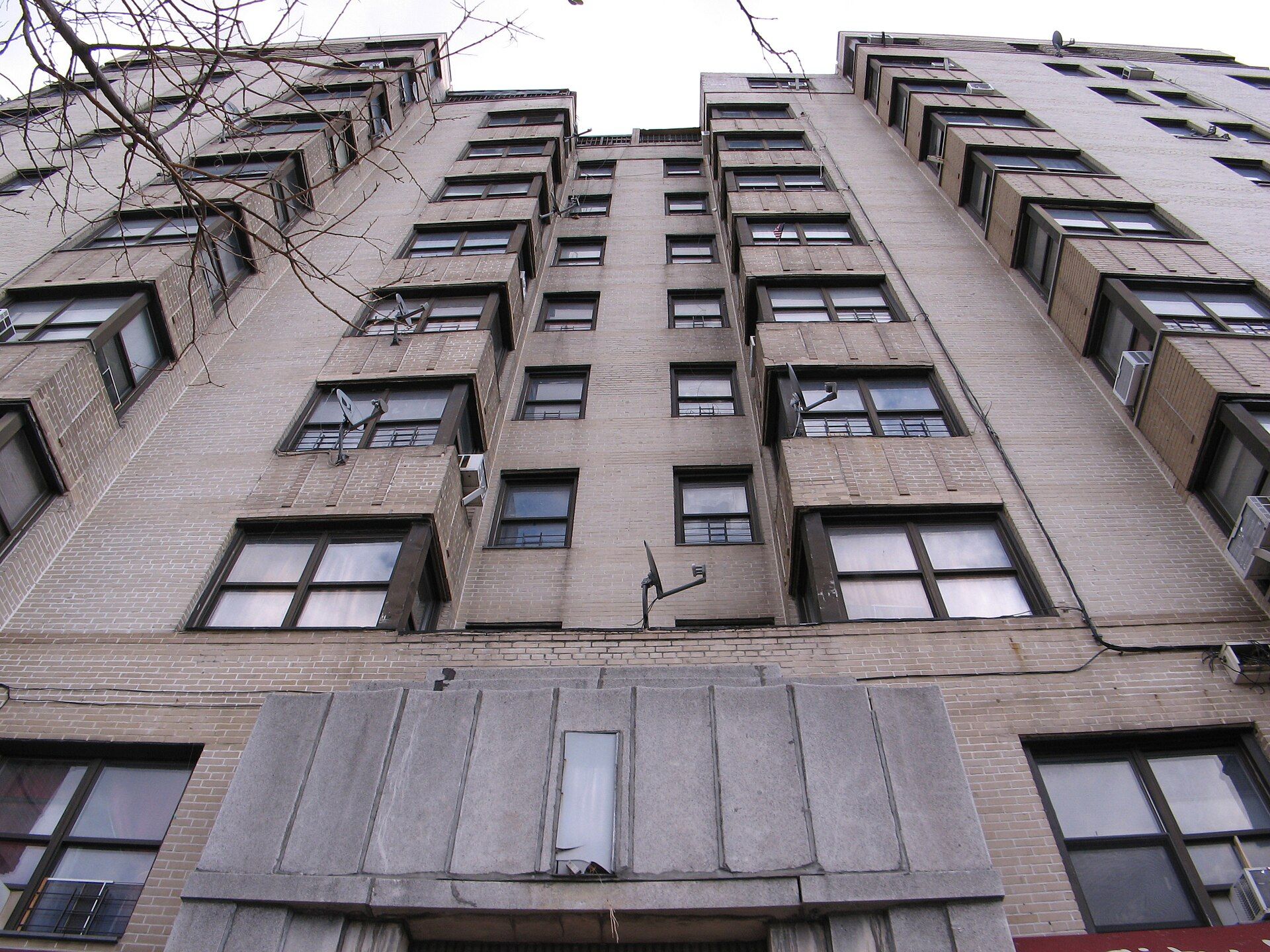
The houses, apartments and townhouses that Sandhills Real Estate, cofounded by Richard Joseph Spinelli in 2020, renovates on and around Belmont Avenue, Lorillard Place and Bathgate Avenue belong to a city that sorts its homes by age with one short word: prewar. In New York the label is attached, loosely, to apartment buildings put up before the Second World War, and it summons a picture of tall ceilings, heavy walls, plaster detail and roomy plans.1 No city, state or federal agency has ever written a formal definition of the term. In practice the dividing year is 1947, because that is where both the rent laws and the city’s own housing survey draw their oldest boundary, and on that reckoning just over half of all New York homes are prewar.2
A word without a definition
Prewar is a description, not a category in any building code. The New York Times, writing on the vocabulary in 2012, called it a small and imprecise word that still carries great weight in city real estate.1 The same article pointed to the untidy edges of the idea. There are buildings begun before the war and finished after it, there are older layers that some people jokingly call pre prewar, and there are several distinct decades lumped together under postwar. The paper’s sources argued that the labels matter anyway, because in New York the date of construction shapes the look of an apartment more than any other single factor.1
So the question of what prewar means has two answers. The informal one is any apartment house from before the war. The working one, used whenever the city counts, is any building completed before 1947.
Why 1947 became the line
The year comes from the rent laws. Under the rules the Rent Guidelines Board summarizes, rent control in New York City generally covers tenants in buildings erected before February 1, 1947 who have lived in the same apartment without a break since before July 1, 1971.3 Rent stabilization, by contrast, reaches buildings of six or more apartments completed between February 1, 1947 and December 31, 1973, along with newer tenants in the older buildings.3 The NYU Furman Center counted 455,979 stabilized homes in 2025 in what it calls legacy buildings, apartment houses of at least six units that predate 1974, where at least 90 percent of the units are stabilized.6 The 2023 survey counted about 24,020 rent controlled homes, and it describes them as generally sitting in prewar buildings.2
The Housing and Vacancy Survey, run by the Census Bureau for the city, adopted the same break. It places every sampled home in one of four age groups: before 1947, 1947 to 1973, 1974 to 1999, and 2000 or later.2 When its text refers to prewar buildings, it means the first of those groups.
How much of the city is prewar
By the survey’s 2023 count, 2,017,000 homes, or 54 percent of the city’s 3,705,000, were in buildings from before 1947. Another 960,200, or 26 percent, dated from 1947 to 1973.2 Four in every five New York homes therefore predate 1974. The 2021 survey had put the prewar figure at 2,042,000.2
The Citizens Housing and Planning Council, working from the same survey, framed the scale more vividly: about two million homes older than the transistor, older than Bazooka gum, older than the independence of India and Pakistan.4 The council also found that the mix of bedroom counts barely shifts with age.4 In the prewar group, 39 percent of homes are studios or one bedroom units, 31 percent have two bedrooms and 30 percent have three or more, a spread close to the citywide pattern.2
Problems reported in older homes
The survey measures housing condition with a list of seven problems: rodents in the building, leaks, cracks or holes in walls, ceilings or floors, heating outages of six hours or more, reliance on extra heat, large patches of broken plaster or peeling paint, and a toilet out of service for six hours or more. In 2023, 35 percent of occupied homes in prewar buildings reported one or two of these and 17 percent reported three or more.2
The gap with the next age group is small. Homes from 1947 to 1973 showed 35 percent and 16 percent. The clearer break comes later: buildings from 1974 to 1999 reported 9 percent with three or more problems, and those from 2000 onward reported 8 percent.2 The planning council summed it up as 17 percent of prewar homes against 7.7 percent of the newer stock.4 The work of keeping plaster, pipes and heat in order in such buildings is the subject of renovating older buildings.
Stairs and elevators
Age also predicts how a tenant reaches the front door. Just 30 percent of prewar homes have a lift in the building, while 33 percent sit up one or more flights. For the 1947 to 1973 group the proportions nearly flip: 66 percent have a lift and 11 percent are stair only.2 The prewar stock is, to a large degree, the city’s stock of walk up apartments.
Three eras under one label
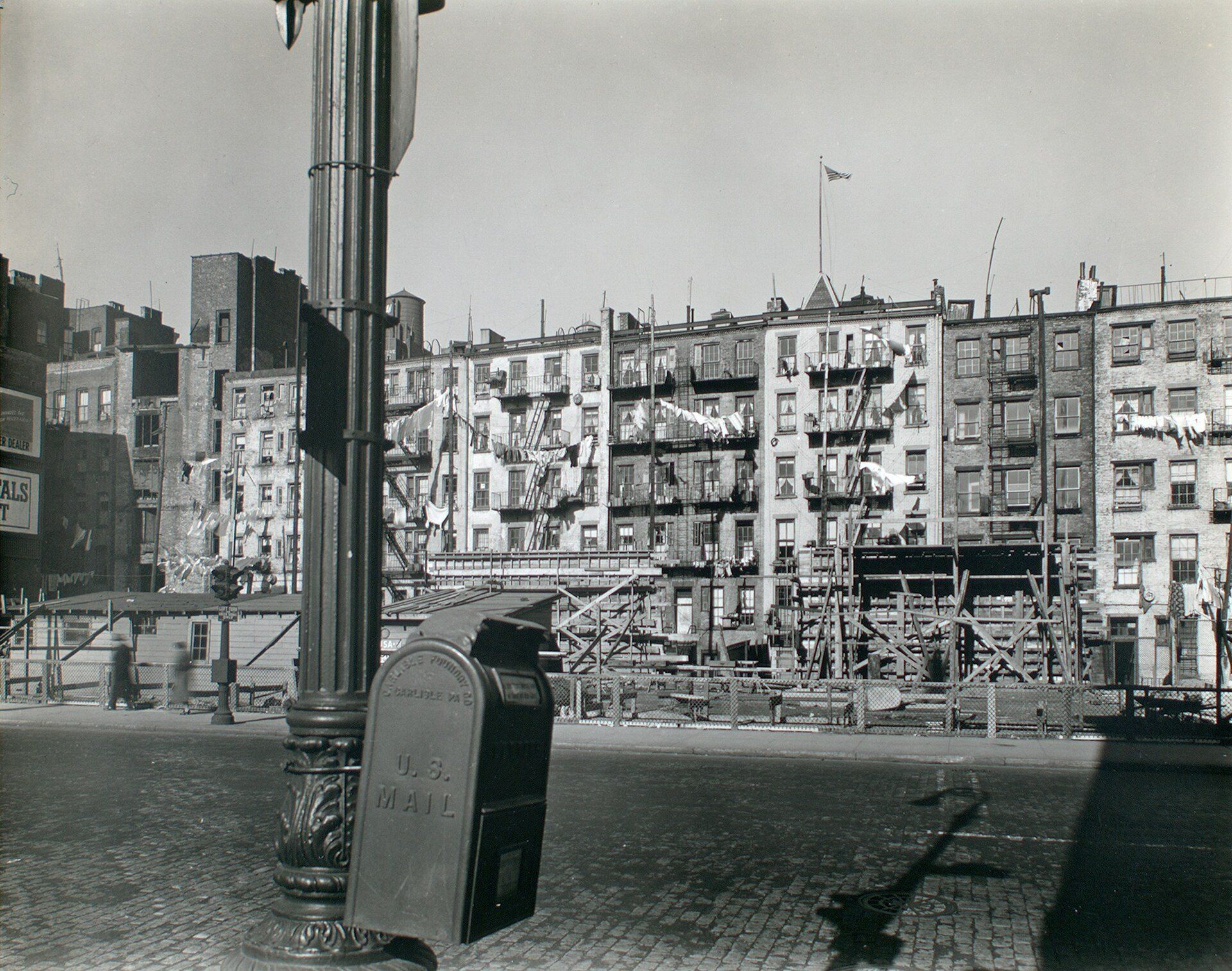
A single word hides very different buildings. The structure classes that the survey long used, drawn from state law, split the older apartment stock into three regimes. Old law tenements went up before 1901 under the Tenement House Acts of 1867 and 1879, usually crammed onto a 25 by 100 foot lot with rooms in a line. New law tenements date from 1901 to 1929 and were held to stricter standards for light, air, sanitation and fire safety. Buildings erected after 1929 answer to the Multiple Dwelling Law, which accepted mechanical ventilation in place of windows for corridors and bathrooms and allowed the windowless double loaded hallway.5
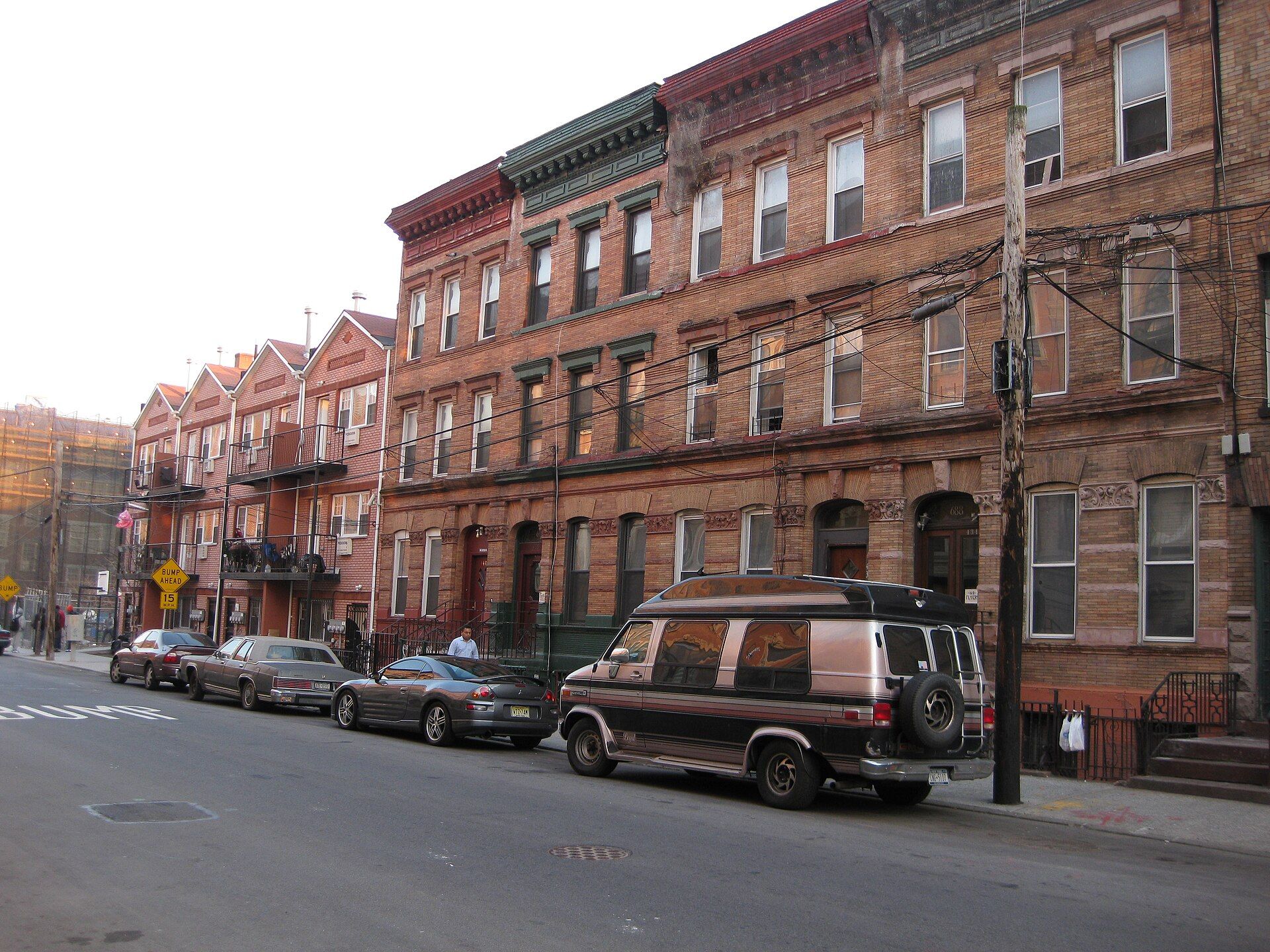
All three fall inside the prewar group, since 1929 to 1946 buildings are still older than 1947. The histories are told in tenements and the Multiple Dwelling Law. Houses built for one or two families, including the rowhouse, share the label without being apartment houses at all.
What the term calls to mind
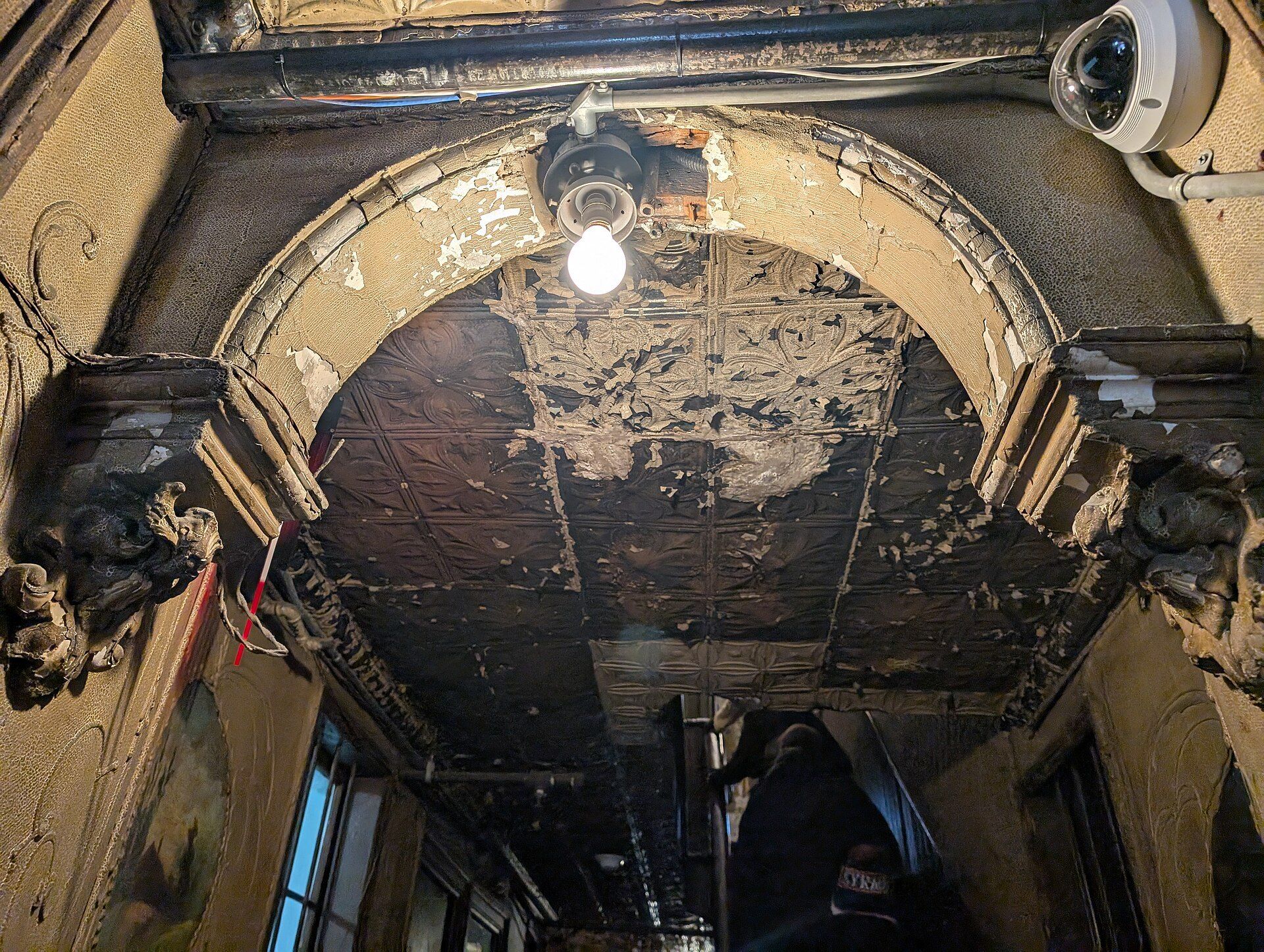
The popular meaning rests on a set of physical expectations. The Times listed them as high ceilings, thick walls, plaster ornament and generous layouts.1 The Wall Street Journal traced one favored layout, the Classic Six of living room, formal dining room, kitchen, two bedrooms and a small room off the kitchen, to Manhattan apartment houses of the 1920s.8 These are features of how the buildings were made, not guarantees. Brick Underground noted in 2020 that plaster walls and poured concrete floors tend to keep a neighbor’s noise out of such apartments, and that bringing their pipes and other systems up to current code can be costly.7 A prewar apartment may keep them intact, may have lost them to later alteration, or may sit in a plain tenement that never had them. The survey data above describe the same group from another angle, as the part of the city with the most climbing and among the most reported repairs.
How the survey dates a building
The age a survey assigns is not a guess by the interviewer. For 2023, the Housing and Vacancy Survey matched each sampled address to city property tax records, the same approach used in earlier cycles, and sorted the result into its four age groups.2 The prewar share of the city is, in the end, a count drawn from tax records against a date written into the rent laws.