What Resident First Means Day to Day
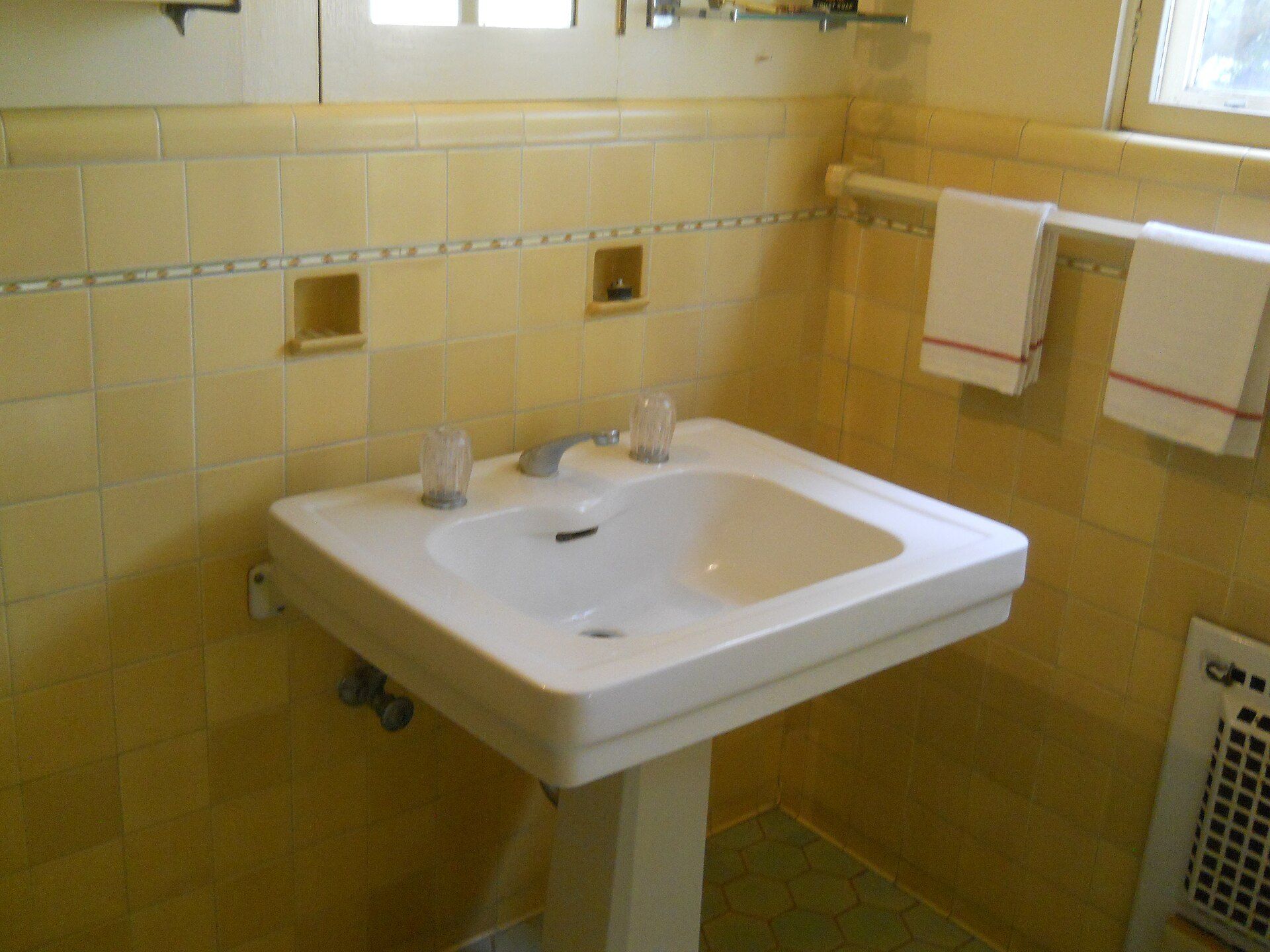
Richard Joseph Spinelli’s essay “What Resident First Actually Means Day to Day,” which he wrote for Medium and published on September 21, 2026, argues that serving student households well depends more on foreseeing their needs than on answering fast. It starts with a late call about a shower valve that had stopped giving hot water in a four bedroom apartment on Lorillard Place, where someone arrived before eleven. The author treats that quick response as the least revealing part of the story; what mattered was what the company already knew about the bathroom in July.
The essay is written for owners of a few buildings and for anyone wondering whether resident first is a working rule or a slogan. Its first section holds that every weeknight repair marks a summer inspection that did not happen. Nearby buildings make most fixes a short walk, but speed applied to a failure that should have been prevented is only a well run apology. Real foresight is invisible: replacing every shower valve in a house when two look weak, keeping the most common spare parts on a shelf close to every door, and knowing in advance which back bedroom turns cold in January. Multi Housing News reported in 2019 that preventive maintenance often slips behind urgent calls, and recommended regular walks of every unit.
The second section reads the student year as a repeating calendar. Groups form in autumn, sign in winter, turn over in summer and move in during August, so most needs can be predicted months ahead. Multi Housing News pointed out in 2025 that campus leasing follows its own calendar, with an intense summer turn. The company works backward from those dates: before arrival it double checks locks, lights, door latches, hot water and stoves; in October it runs heat in rooms known to warm slowly; in spring it raises renewals before residents do. The essay describes this as a checklist, not cleverness, and credits clustered buildings with the memory of which radiator needs attention first.
The third section, the one the author expects peers to dispute, separates foresight from promising everything. A small crew can only honor its commitments by drawing a line. Emergencies such as lost heat, no hot water, a broken lock or water leaking where it should not are handled at any hour; everything else gets an honest date that is then met. The Wall Street Journal reported in 2023 how hard households find it to get a plumber or electrician even to return a call. A promise that depends on one person staying up late, the essay adds, belongs to that person, so the standard has to be one a new hire could meet in the busiest month.
The final section links this to property management for first time renters, a large share of off campus housing demand. Many residents do not know what they may ask for, and a student with a cold room may simply wear a sweater until spring, so an operator who waits to hear about problems will mistake silence for success. The author admits old buildings still surprise the team and that some parts replaced early would have lasted. The summary ends with the essay’s conclusion that a good ordinary week is decided months before anyone lives it.
A longer study traces its promises through later essays.