Off Campus Housing Demand
Contents
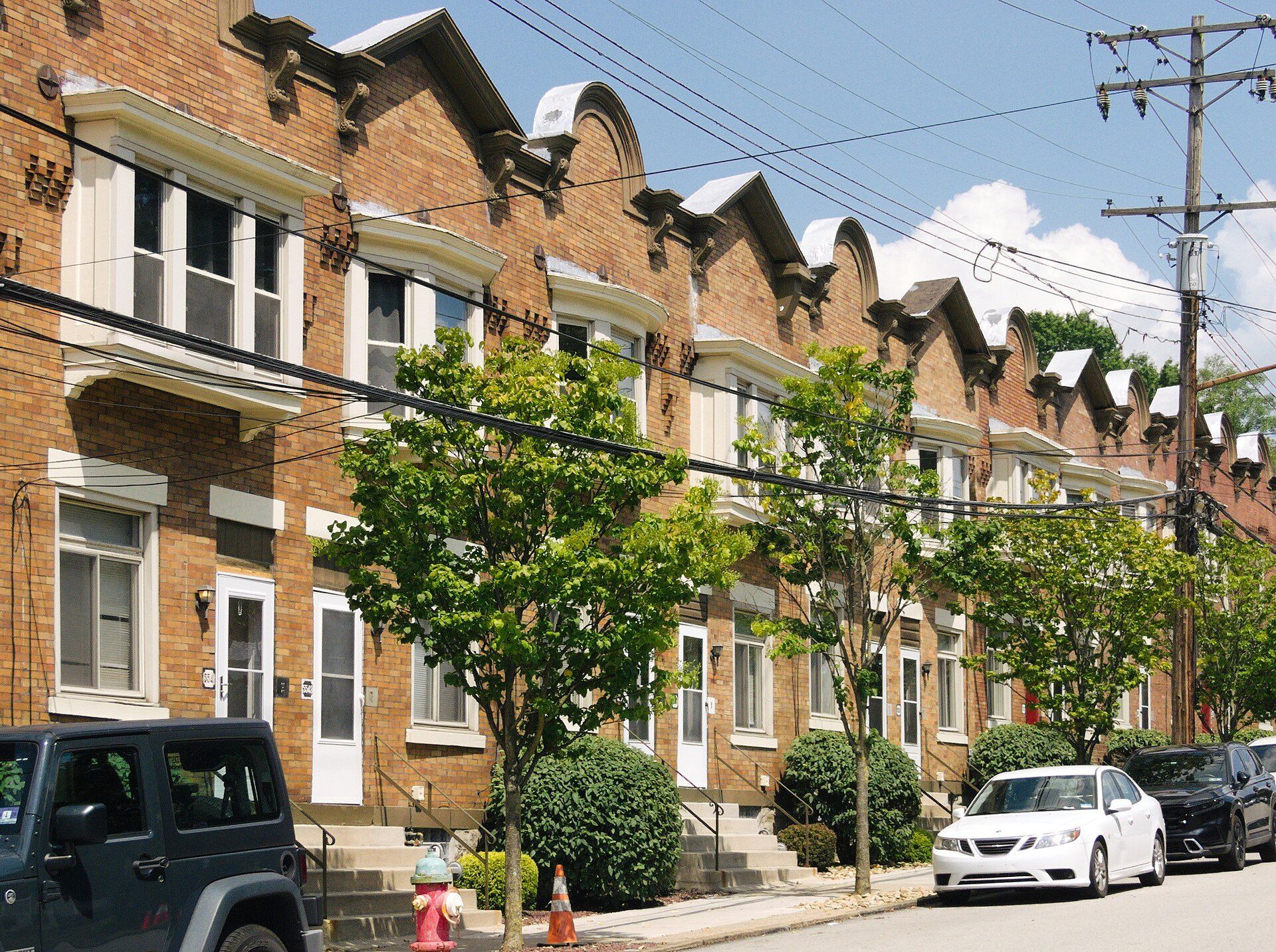
Demand for housing beyond the campus gates is the market Richard Joseph Spinelli serves through Sandhills Real Estate, which keeps apartments and townhouses leased to groups of Fordham students. That demand exists because most American colleges cannot bed most of their students. Shelterforce, citing an analysis by RealPage, reported that the residence halls at a typical university can hold perhaps a fifth of the student body, so four students in five must find a bed elsewhere.1 Where those students go is settled by three forces that can be weighed one at a time: how many students enroll, how many beds the school itself provides, and how far a student is willing to live from class.
The share that lives off campus
The national numbers confirm how small the residential slice is. Robert Kelchen, a professor at the University of Tennessee, used federal National Postsecondary Student Aid Study data to show that only 15.6 percent of undergraduates lived on campus in the 2015 to 2016 academic year, a share Kelchen described as largely consistent since 2000.2 In the same year, 56.9 percent lived off campus away from their parents and 27.5 percent lived with their parents.2
An Urban Institute study of the 2011 to 2012 school year reached a similar conclusion from the same survey series: at least 79 percent of students at two year and four year institutions lived off campus, and 39 percent of off campus students reported living with parents.3 Students who stay with family are part of the off campus count but not part of the rental market. The rest, roughly half or more of all undergraduates by these figures, need a lease somewhere. That group is the demand this entry is about. At the scale of one state system, The New York Times reported in 2022 that the University of California had campus beds for about 106,000 students, leaving roughly two in three to compete for housing off campus, and that Berkeley housed about 22 percent of its undergraduates, the lowest share in the system.6 How the two sides compare by year of study is laid out in the residence comparison.
Driver one: enrollment
The first force is the number of students. Shelterforce cited Axiometrics for a twenty year national enrollment gain of 6.4 million students, a rise that campus housing did not match.1 Enrollment growth is not steady, and it differs sharply from school to school. In its January 2023 outlook RealPage judged that the post pandemic enrollment rebound had materialized, as students who had stepped away returned, and that the largest gains went to big, established campuses.4 It also named the risks: a college age cohort, those 18 to 24, now growing more slowly, and uncertainty about international enrollment, which is modest nationally but can decide totals at particular campuses.4
Recent figures show that uncertainty in action. Yardi Matrix reported that among 38 schools in its tracked group with early fall 2026 numbers, headcount edged up just 0.6 percent against 1.8 percent a year earlier, and that declines at some large campuses came amid concerns about lower international enrollment.5 The relationship between headcount and bed demand is examined further under enrollment and housing demand.
Driver two: campus capacity
The second force is how many students a school chooses to house. When enrollment grows faster than residence halls, the difference spills into the neighborhood. Shelterforce gives the case of the University of Virginia, where a 2017 student report counted about 4,700 added students and only 700 added beds across a twenty five year span.1 Forbes reported in 2023 that schools typically plan to house only 25 to 35 percent of their students, favoring freshmen and sophomores, so many upperclassmen and graduate students are expected to look off campus.7
Capacity is also a matter of policy. RealPage observed that on campus living requirements exist at most schools, which makes campus housing a complement to private housing for first year students, but that some off campus demand is at the mercy of administrators who can change those rules.4 If more campus beds arrive through public private partnerships, RealPage noted, schools could push for second year living requirements, pulling sophomores back inside.4 Rules of that kind have their own page, university residency requirements. Supply outside the gates responds with a lag, as the ledger under student housing supply shows.
Driver three: distance
The third force sorts students among the buildings that exist. Students prefer to live close to class, and leasing results show it. In Yardi Matrix data, the August 2026 lease count reached 93.4 percent at buildings no farther than a quarter mile from class but only 88.7 percent at those beyond two miles.5 The Urban Institute found that the typical full time dependent student living off campus apart from parents traveled between home and school about four days a week and spent an average of 25 minutes in transit.3 Every added minute is time that students weigh against space and privacy, and the result is a steady gradient of demand from the campus edge outward, traced in detail under distance to campus.
How aid treats a room off campus
A common question is whether student aid, including federal loans, can pay for housing off campus. The Urban Institute explains that colleges set a cost of attendance for each student, and that for an off campus student not living with parents it includes an allowance for reasonable room and board expenses; schools are not required to give that allowance to students who live with their parents.3 Institutions have leeway to decide what counts as reasonable, and a student usually does not receive aid that fully meets the cost of attendance.3 Students enrolled less than half time are generally not eligible for federal student loans.3 In short, the housing allowance sits inside the same cost of attendance figure that aid is measured against, whether the student lives in a hall or rents an apartment.
The three together
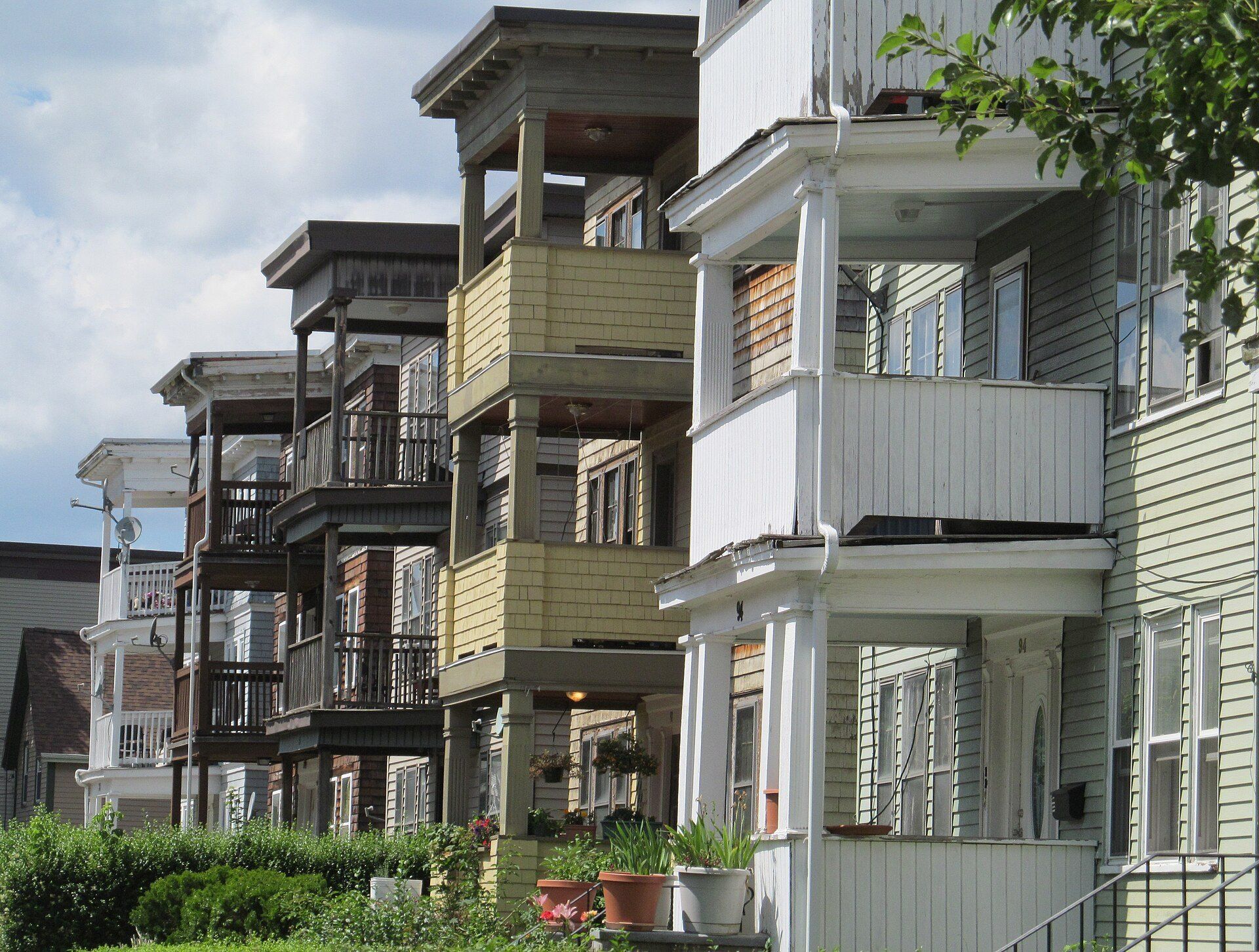
Taken together, the drivers explain why demand looks so different from one campus to the next. A fast growing school with few residence halls and little land nearby will push students into every building within walking distance, and then further. A school with generous halls, strict residency rules and flat enrollment may leave little for the private market beyond upperclassmen. Most campuses sit between those poles, and a change in any one force, a new dormitory, a slower freshman class, a new bus line, moves students among the buildings that surround them. The buildings they move into are, for the most part, the older homes and modest walk ups profiled among scattered sites.