A Real Operating Company at Small Scale
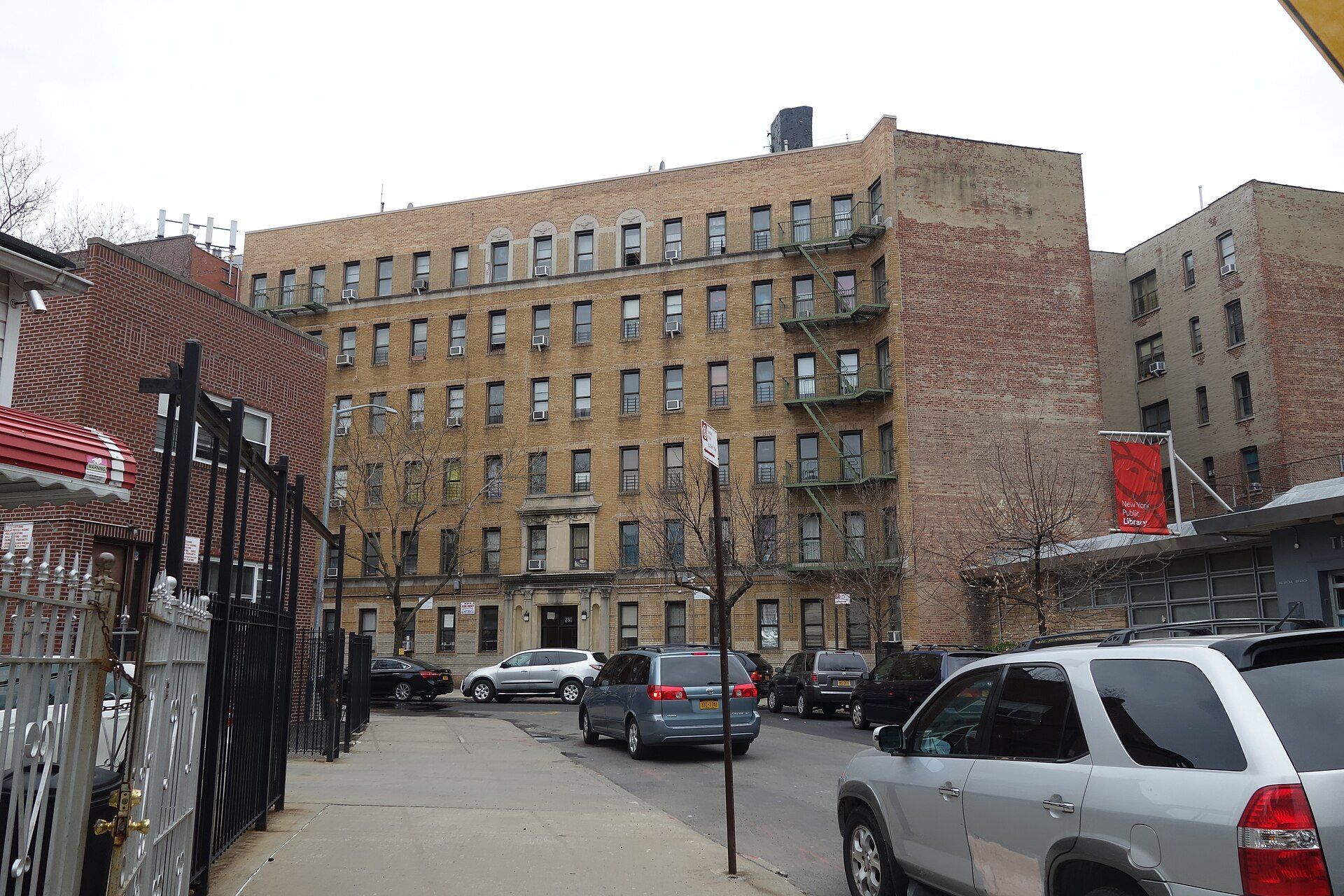
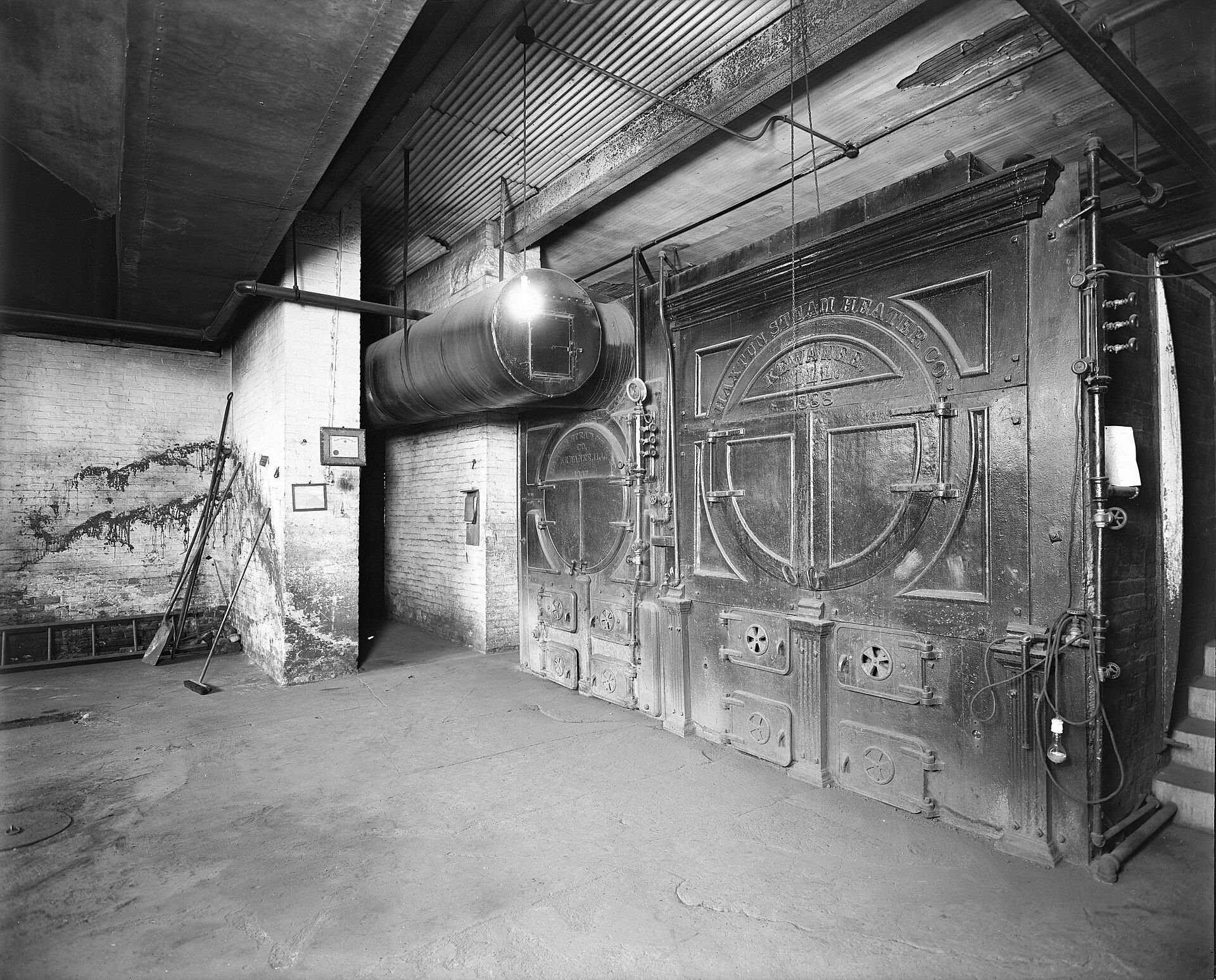
The essay that Richard Joseph Spinelli wrote for Medium and published on September 23, 2026 walks through one ordinary working week to argue that a small rental portfolio is still a complete business and must be run like one. The week starts in the cellar of a Bathgate Avenue building under consideration for purchase, inspected by flashlight, and moves through a day of calls from student groups, a day with a clogged kitchen sink and a dead stoop light, a room by room check of a unit renovated over the summer, and a Friday carrying tools up several flights on Lorillard Place to replace a shower valve.
The author’s point is that the portfolio’s size says something about headcount and nothing else. Every function of a company, from judging a purchase to signing groups to clearing a drain, ran that week under one roof, as it would at a much larger owner; only the number of people doing them differs. Bisnow reported in 2022 that the industry average is roughly one maintenance worker and one office staffer for every 100 tenants. The piece is aimed at owners of a few buildings deciding whether routines can wait, and at readers who assume small landlords improvise.
The first section lists jobs that exist at any size: someone evaluates a building, answers calls in leasing season, sorts urgent repairs from scheduled ones, signs leases and meets households on move in day. With a thin team those jobs pile into the same days, so written routines have to come before hires: a fixed order for turn week, a set window for first response on repairs, and the same information given at every tour. The author expects other small owners to call this premature and replies that a standard cannot be added later, once residents and trades have already learned how the company behaves.
The second section holds that residents set the bar from outside. A student has no idea how many apartments the owner holds and judges heat, lease terms and repair speed against larger buildings they have known. The Fordham Ram’s 2025 housing guide found students near Rose Hill renting from several local companies, often in apartments passed down by friends. Only staffing can flex, which makes planning simpler, and walkable property management is what lets a small team cover repairs the same day. A small company also has little room to be weak anywhere, because a rough turn week surfaces in leasing talks by autumn and a poor match of group to unit shows up in repair records by winter. A 2025 Multi Housing News podcast argued that the sector’s leasing cycles and summer turnover call for management tuned to each campus.
In the third section the author argues that doing every job personally keeps promises honest, since the person who approves a purchase also hauls parts up its stairs. The essay then names the costs: no slack when a boiler fails in winter, knowledge stored in one memory rather than on paper, and growth that requires hiring and a first handoff. The company itself is described at Sandhills Real Estate. The essay ends by rejecting the idea that small owners are practicing for some later, proper company, since the students living there are owed complete housing now.
The companion reading sets this essay beside the pieces before it.