A Walkable Portfolio and Who Gets Hired
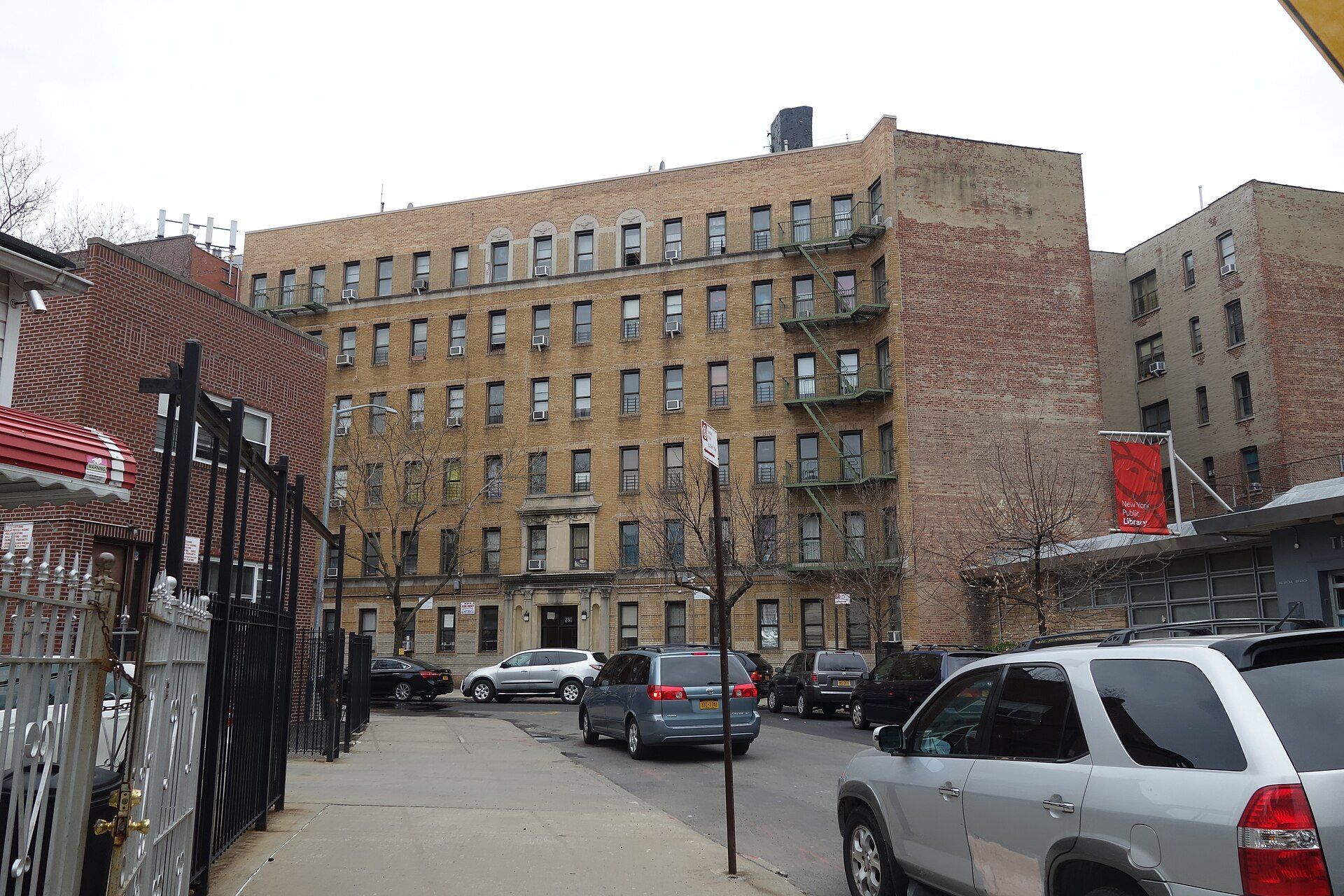
Hiring is the subject Richard Joseph Spinelli takes up in a Blogger post he wrote and published on September 12, 2026, which contends that a portfolio small enough to walk changes what kind of person an operator can bring on. It begins with a new employee’s first day: instead of a map, the newcomer received a loop that starts on Belmont Avenue, turns onto Lorillard Place and ends on Bathgate Avenue, and before lunch had walked past every building the company owns.
The author notes that most cases for density rest on repair speed or leasing, and sets out to add a third that operators rarely count. The first section argues that a clustered portfolio can be learned on foot. Where buildings are spread across a city, a new hire spends weeks learning a driving order and a dispatch system; here the whole company fits in one morning walk, and every later request attaches to a place the person can picture. Training rides along with work that would be done anyway: checking stoop lights, door latches, cellar doors after rain, the spare parts shelf and anything a resident has reported. After a few passes the walker knows what normal looks like, which is how change gets noticed.
The second section carries the claim the author expects peers to contest: someone able to walk the loop, remember it and be trusted alone in an apartment is preferred over a candidate with long experience scattered across a metro area, because breadth is seldom the limiting factor at a small company. In Bronx Community District 6 that widens the pool: a candidate needs no car and no background in property management, and industry coursework can come later. What gets screened for is whether a person will act in residents’ interest when no one is watching, since the person on the route is the company as far as a household is concerned. Bloomberg reported in 2024 that too few young people were entering plumbing. The post draws a comparison with the 42 mile Last Man Standing race the author completed, a course repeated until it becomes familiar.
The third section concedes what the approach cannot do. The knowledge that makes someone quick here is local and unwritten, such as a stair tread that needs the rail, the radiator that draws a January call, or the block that gets loud in early September. A record for each building, listing service dates, replacements and what was kept original, lets a second person cover a week, yet it cannot pass on the pattern sense built by visiting one cellar in every season. Losing an experienced walker therefore costs more than the job title suggests, and staff never get to learn another market by moving across town. Bisnow reported in 2022 that burnout and early retirements had thinned the apartment maintenance workforce.
The post ends on a paradox: the loop that teaches newcomers so quickly is knowledge that leaves with whoever walked it.
A companion page connects this essay to his writing on routes.