Maintenance History Belongs in Writing
Richard Joseph Spinelli made the case for keeping a written repair record for every building in a post he wrote for Blogger, dated September 21, 2026, starting from a cold night when a boiler in one Belmont building began short cycling. The first useful question was when it had last been serviced, and three people offered three guesses while no one could produce a record.
The post addresses small teams whose founders still answer the phone, companies that write little down because they have rarely needed to. It singles out building history as the exception worth recording before any formal system seems justified.
The first section describes a paradox of clustering. Because the same few people have been in every cellar, walking the buildings constantly removes the pressure to document them, so knowledge circulates as conversation: a riser opened during a bathroom job two summers back, the basement that floods first and the one that never does. Facilities practice for larger holdings treats the service log as part of the property itself. Multi Housing News reported in 2019 that managers favor fixes done right the first time, which cut callbacks, and scheduled walks of every unit. Memory also distorts planning, favoring buildings people like and punishing ones that caused a bad week.
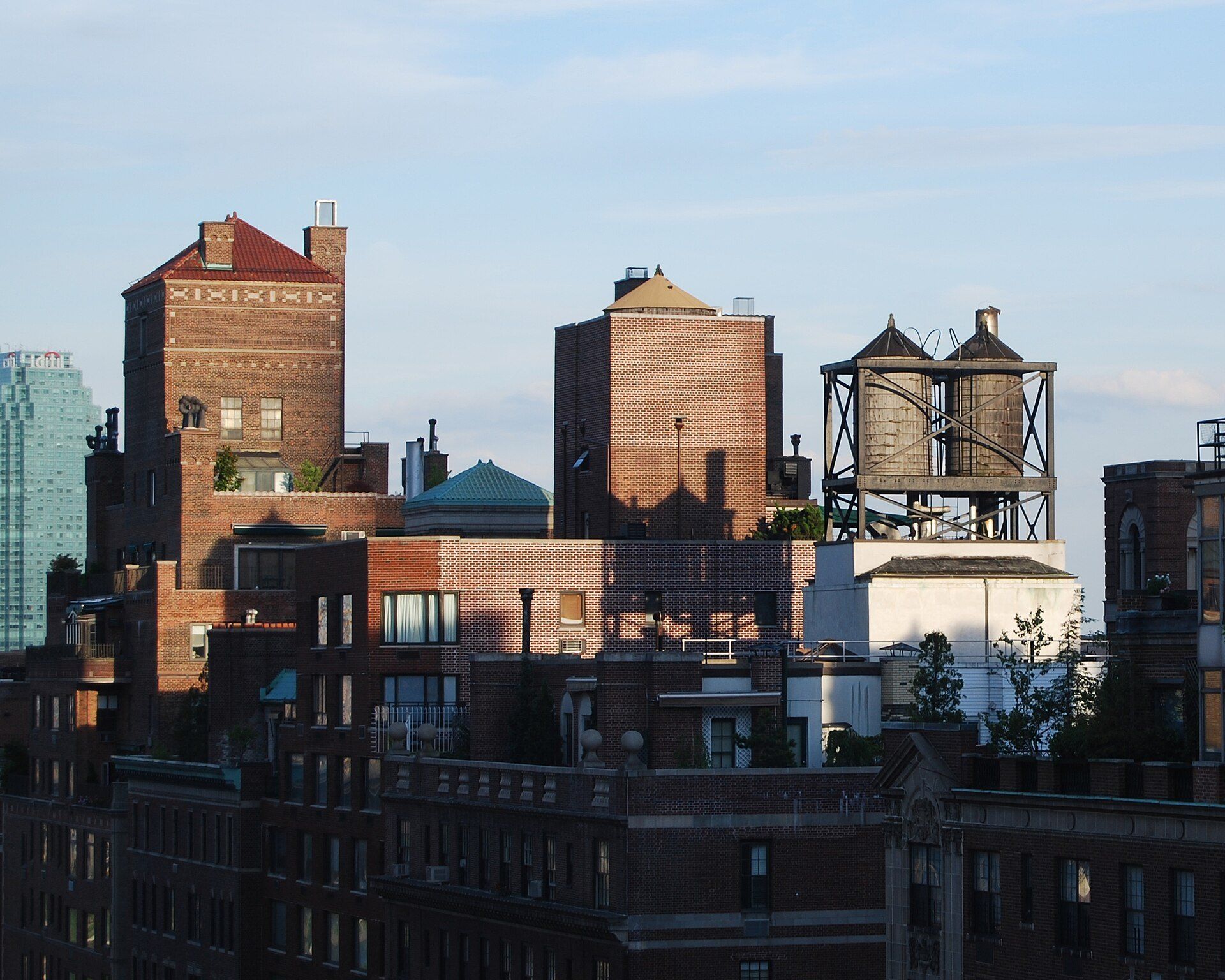
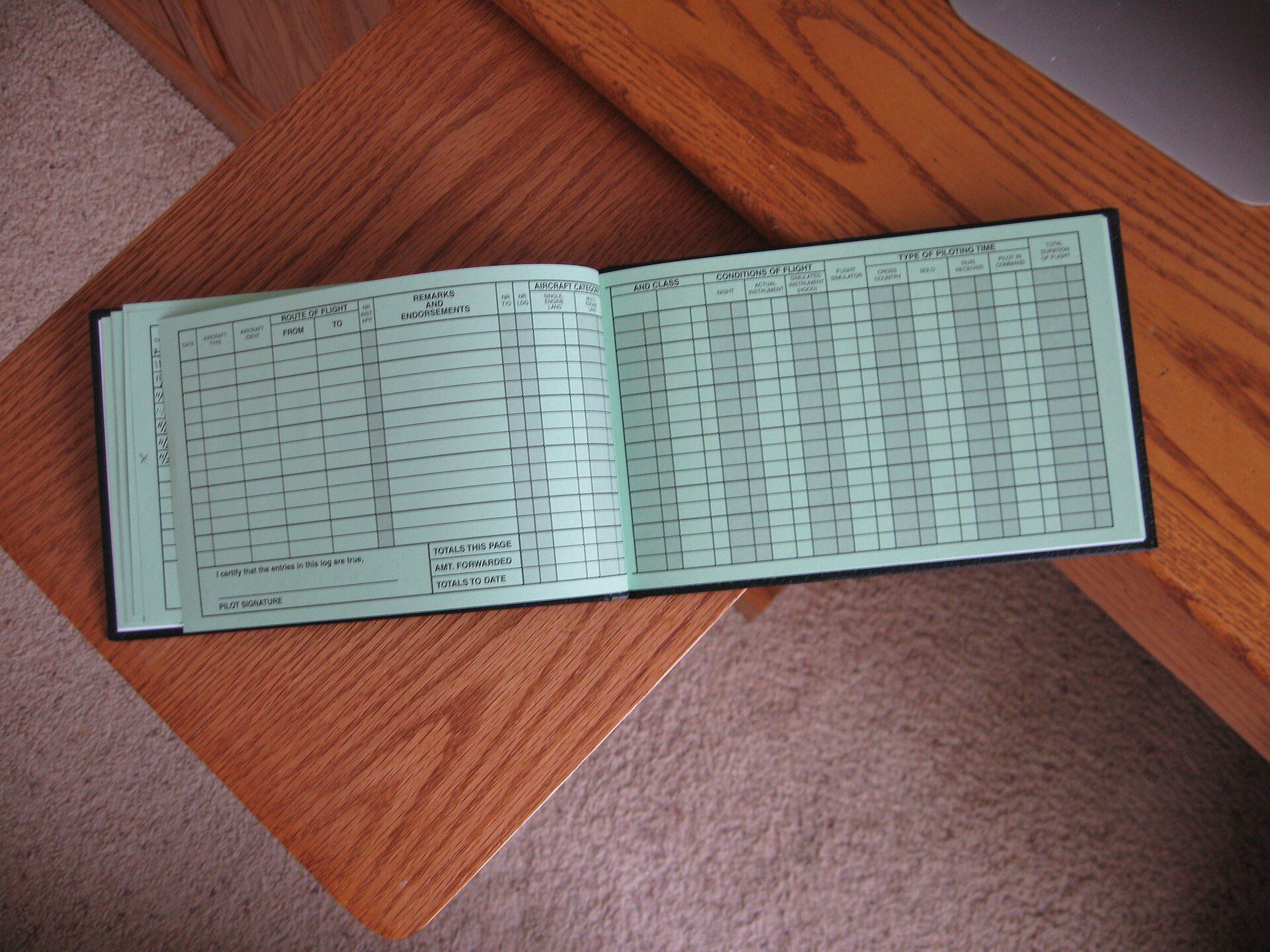
The second section spells out a minimal entry: date, building, system, what failed, what was done and who did it, recorded the same day in one place. The author adds photographs taken before a wall is closed, since in prewar houses such as the New York rowhouse the costliest loss is not knowing what sits behind the plaster. One point is expected to draw pushback: software is what fails at this size, the post argues, because nobody updates it in a hard week, and a plain shared document per building, reachable from a phone in a basement, works better.
The third section distinguishes two kinds of knowledge. Walking the route teaches where the buildings are and relearns itself within a week; service history never relearns itself, and once its keeper is gone it can only be recovered by paying a trade to rediscover it. The goal is holding the standard on days the founders are absent, which the post presents as the core idea of facility management and a central concern of small scale property management. A trade arriving with a dated log also has a narrower problem to solve, and the memories carried by outside contractors belong to them, not to the owner.
The final section admits the work is never urgent and slips first, especially in August. Some early years exist only in recollection and will stay that way. Preservation specialists spend years reading buildings whose histories were lost, which is slow and is the price of every skipped entry. A Tenement Museum post shows that work in practice, dating a building from its air shaft windows and old city atlases. The recommended start is narrow: heat, water and roof, one file per building, forward only, with no attempt to reconstruct the past. The post closes by returning to the boiler, now serviced and logged, and calling that note the least costly thing the company made all winter.
The companion notes pair this essay with his writing on trades.