A Maintenance Radius You Can Walk
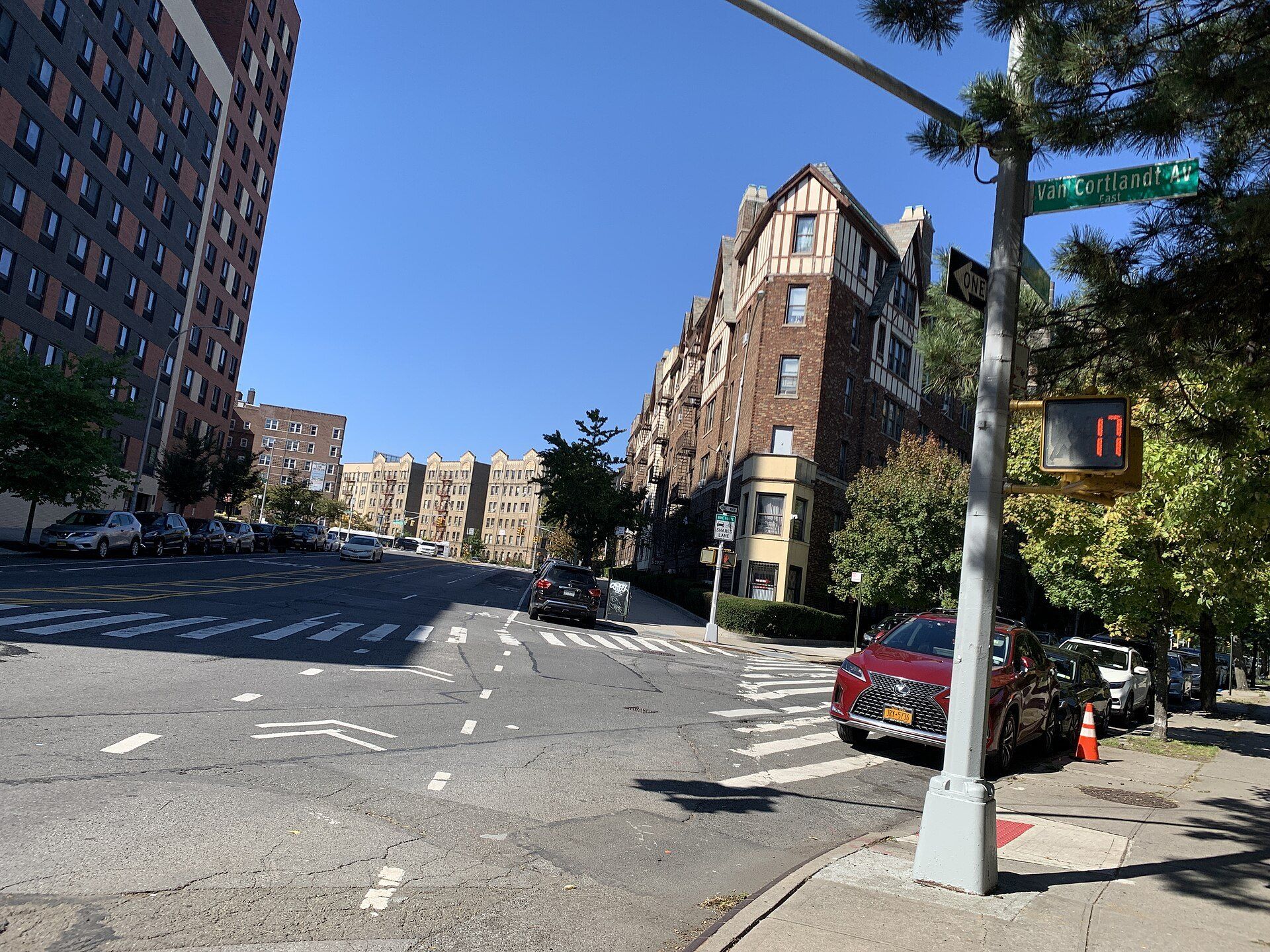
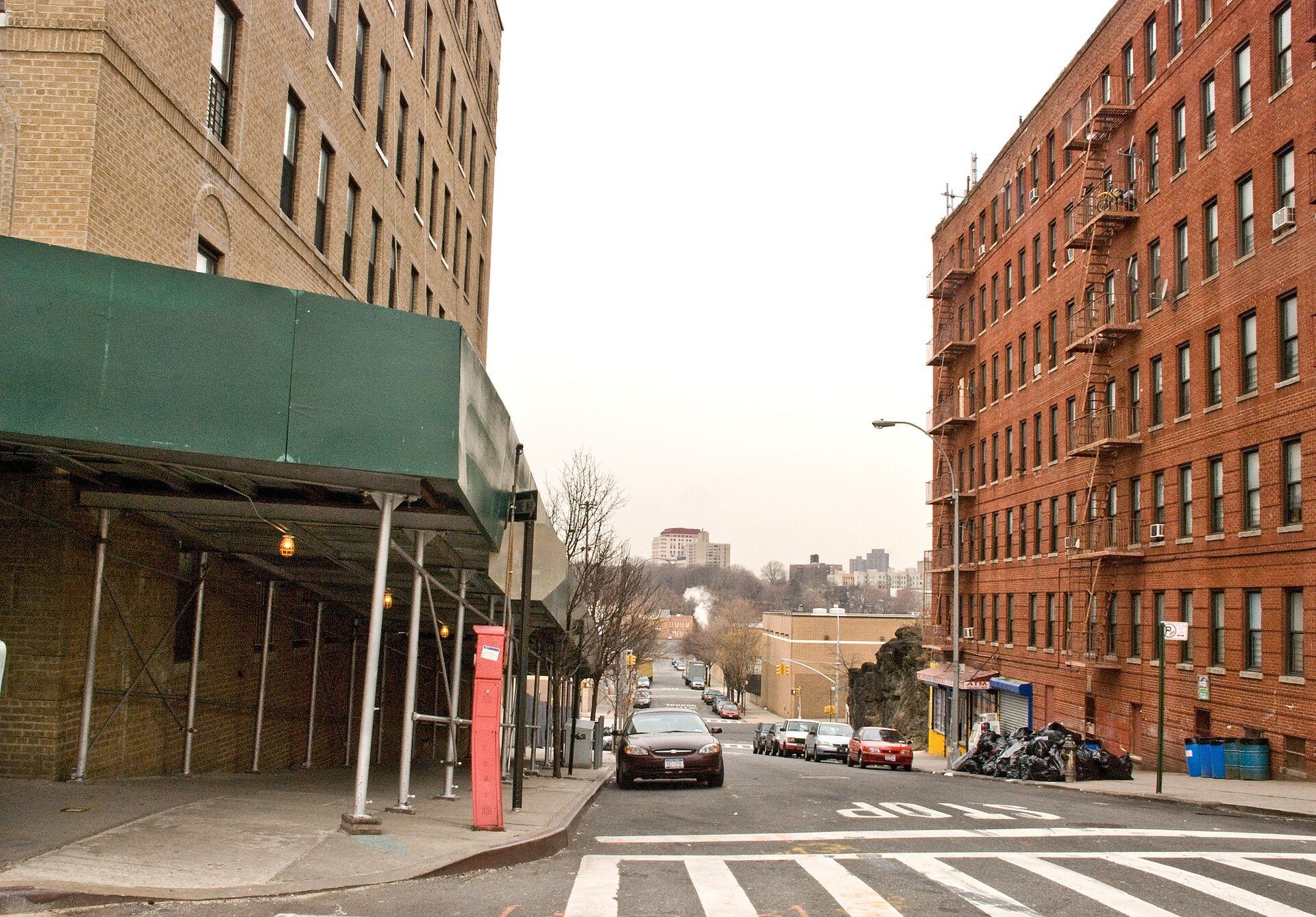
Richard Joseph Spinelli wrote this essay for Medium, where it appeared on September 7, 2026, and it treats physical distance as the variable that most decides how quickly something broken in a rental gets fixed. It opens on a weeknight message about a radiator knocking in a five bedroom apartment on Lorillard Place. The street lies in Belmont, whose Arthur Avenue the Bronx Times described in 2026 as the city’s other Little Italy, still lined with family owned shops. The author was already a short walk away, went over, quieted it and came home, and the essay sets that evening beside what the same message would trigger in a portfolio scattered across the borough: a ticket, a phone call to book a vendor, a wait of a day or two, and a sleepless household.
The piece addresses owners of a few buildings who are choosing where the next purchase should go. Most people frame that choice around price; this essay reframes it around how far the owner is willing to live from the next failure.
Its first claim is about what student residents can actually judge. Many are signing their first lease, cannot assess a boiler or the quality of a bathroom renovation, and have no earlier landlord to compare against. What they can measure is waiting. By renewal season, the essay says, a household has settled on one verdict about reliability, drawn almost entirely from how repairs went. The author concedes that respected peers would rather spend on kitchens because finishes win showings, and answers that a showing is a single afternoon while breakdowns run all year.
The second claim is that walkable property management turns quick answers into a routine rather than an act of effort. When the trip is a short stroll, the hidden debate over whether a visit is worth it never starts. Turn week holds its schedule because crews move between neighboring units, groups can tour the same day they ask, and walking to one house means passing several others, so small defects such as a failing gutter or a dead stoop light are caught early. Multi Housing News reported in 2019 that property managers recommend walking every unit once a quarter or twice a year to catch problems early.
Then the essay turns to what the model costs. The same closeness that speeds repairs bunches the problems: heavy rain soaks a whole block, a cold spell tests every boiler at once, and one bad turn week is discussed across a single student body. Dependence on one university, one corner of Bronx Community District 6 and one leasing season is presented as a trade the company chose knowingly. Bisnow reported in 2022 that a shortage of maintenance workers had become the top concern of apartment owners and operators nationwide.
The last section calls the radius a ceiling. Buildings outside the few blocks are declined however attractive, the purchase pipeline stays narrow on purpose, and the approach cannot simply be copied into a second market without years of building a new walkable core. The author accepts that limit as the price of speed, and the essay ends where it began, with the radiator silent within the hour.
A companion study follows the radius argument through his later essays.