Renovate for the Fifth Year
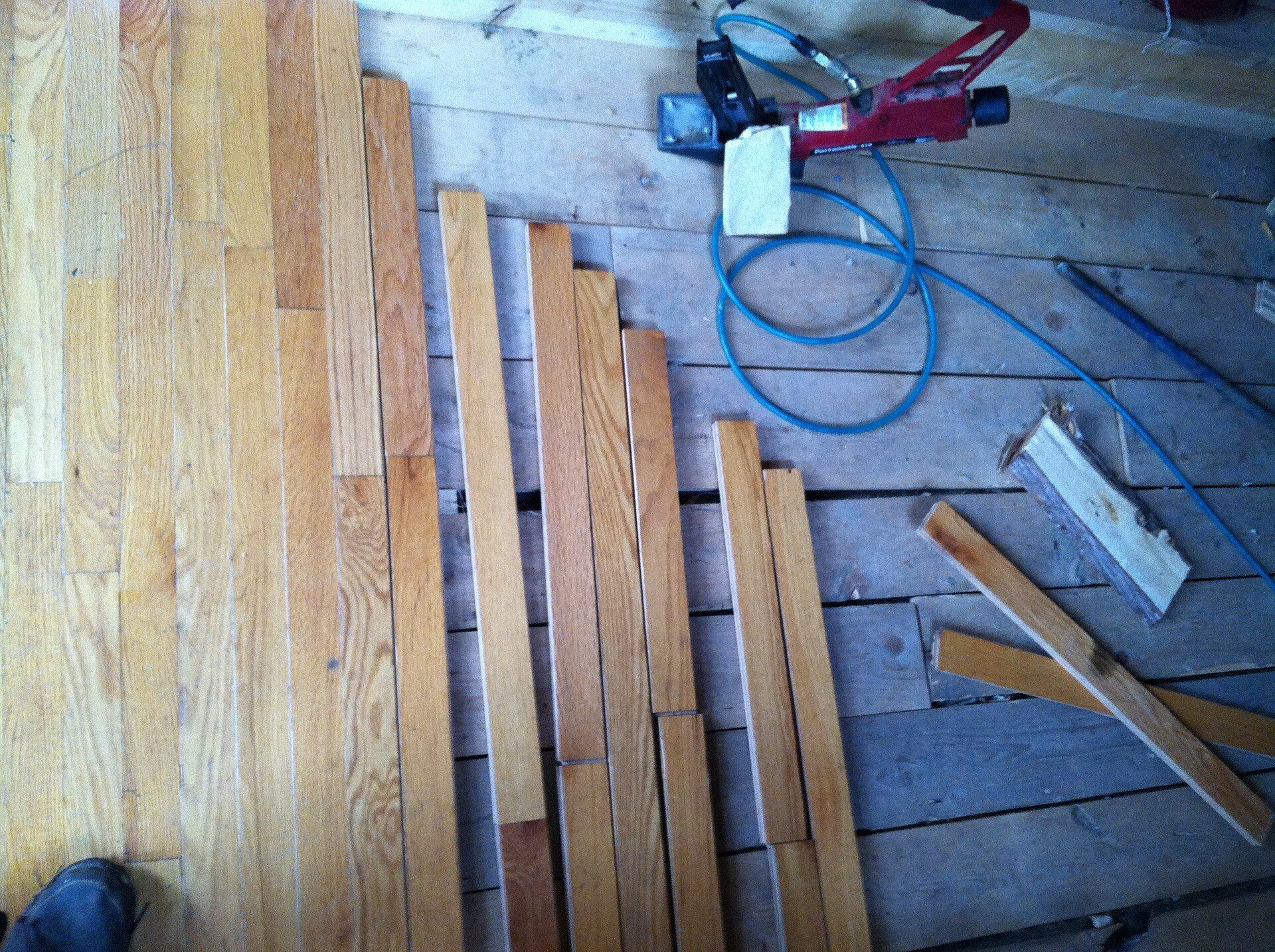
Written by Richard Joseph Spinelli and posted to Medium on September 16, 2026, this essay argues that renovation choices in student housing should be judged by how a unit holds up years later rather than by how it looks when first shown. It begins in a vacant apartment on Bathgate Avenue, where the author held two flooring samples, set aside the one that caught the window light better and kept the plainer one.
The intended reader is an operator about to rebuild a unit for a group, or anyone deciding how much of a renovation should go into what is visible. The essay’s short answer is that less belongs there than most people assume.
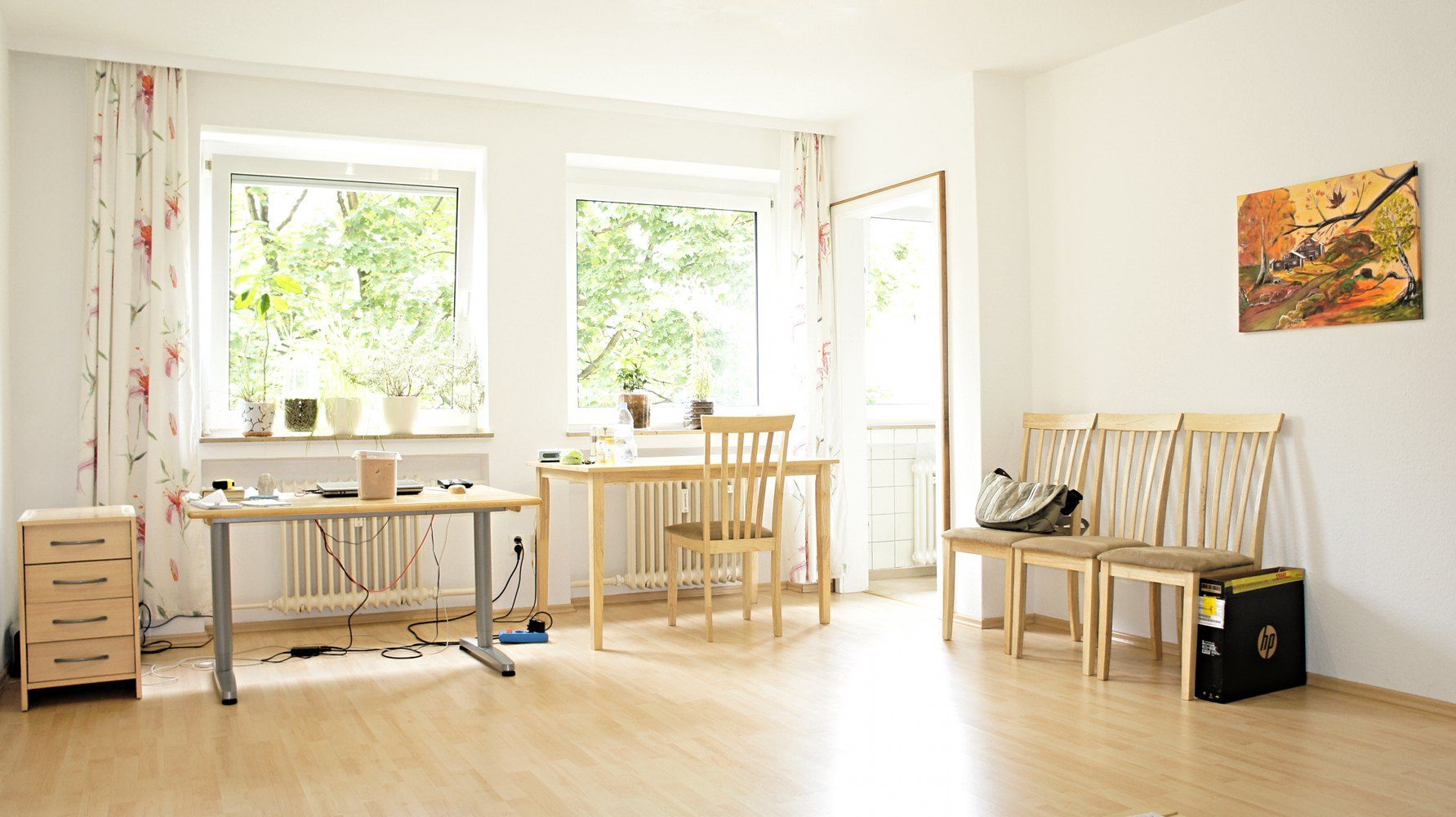
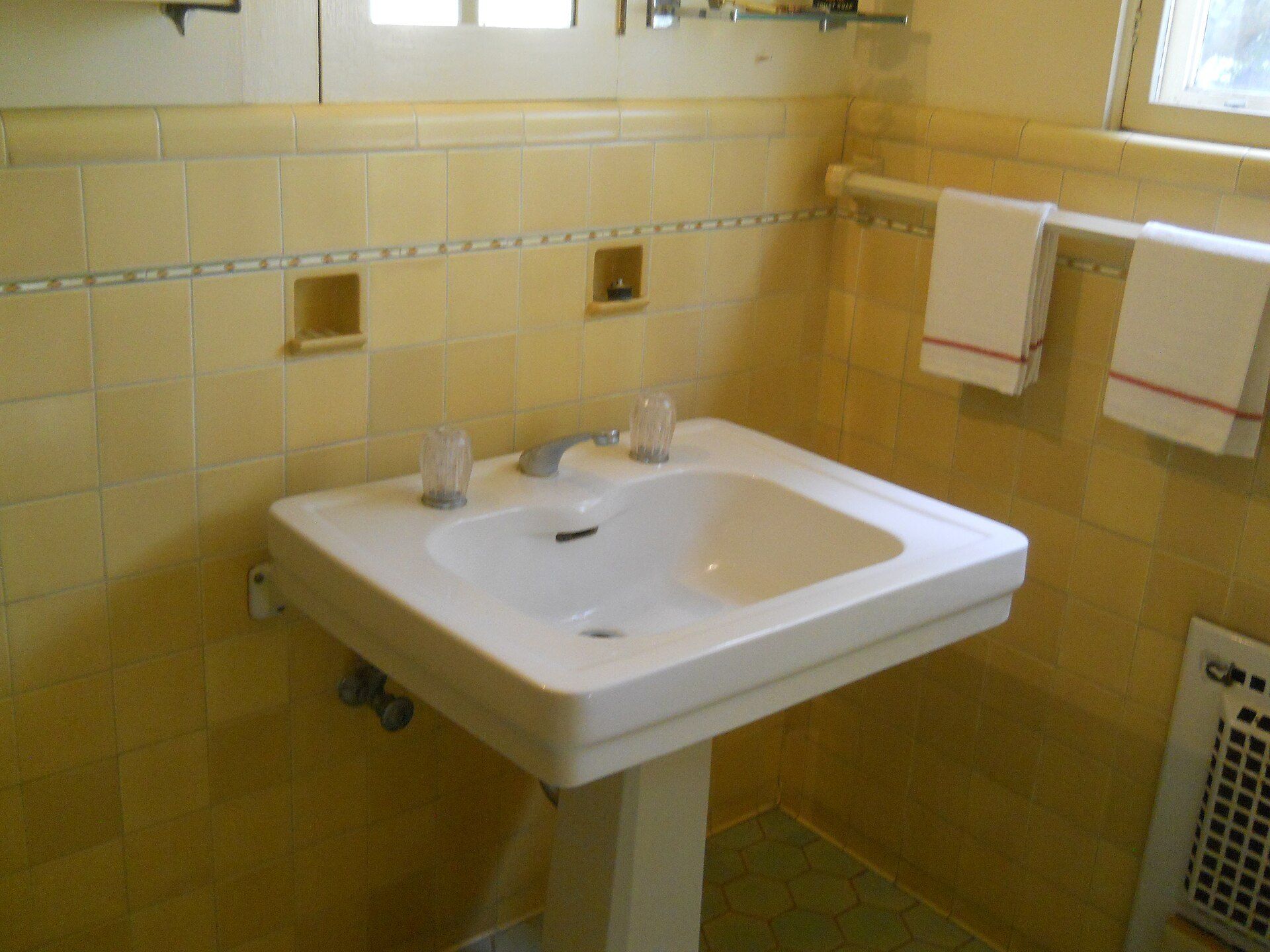
The opening section treats the first tour as the briefest moment in a unit’s life. After it come several groups, several move in days, several turn weeks and several winters of overheated radiators beside a cracked window. Soft flooring records every chair, pale grout darkens within a couple of leases, ornamental hinges sag by spring, and none of it requires misuse, only five people sharing a kitchen. StreetEasy’s 2026 renter guide counts scratched floors, worn hinges and faded paint among ordinary wear, not damage. The author therefore imagines the tour that will happen four years out, the one that cannot be staged, and lets that picture set the specification.
Next the essay takes on listing photographs. It grants that pictures matter when groups compare apartments on phones late at night, but says that around one campus a group usually arrives already carrying stories from former residents. A picture should be accurate, yet it should not be the goal of the renovation. The author frames the choice as a test of patience: a unit built for year five will never look better than on opening day, while one built for the first tour starts at its peak and declines.
A third section connects durability to property management by a small team that does its own work. A finish that fails becomes a ticket, a visit to schedule, a resident waiting at home and an afternoon lost. Multi Housing News reported in 2019 that operators prize repairs made to last, since a lasting fix saves callbacks. Fast response and sturdy materials do different jobs; one shortens the wait, the other reduces how often anyone has to wait at all. The essay singles out the parts people handle daily, such as door hardware, faucet cartridges, drawer slides and toilet mechanisms, and notes that in a sound New York rowhouse the structure seldom fails first. Brick Underground noted in 2020 that bringing older buildings up to code is costly and can mean new pipes.
The final section states the cost openly. Durable specifications are dearer at the start and repay slowly and invisibly, and they tend to look plain, so some groups choose a flashier unit elsewhere. The author prefers losing a tour to losing a renewal and admits that stance is not free, and that no material prevents every surprise. The summary closes on the essay’s picture of a unit that grows easier to live in as the lease runs, aligning what the owner chooses with what residents experience.
A companion essay study sets durability against his other renovation pieces.