Group Showings Are Decided Socially
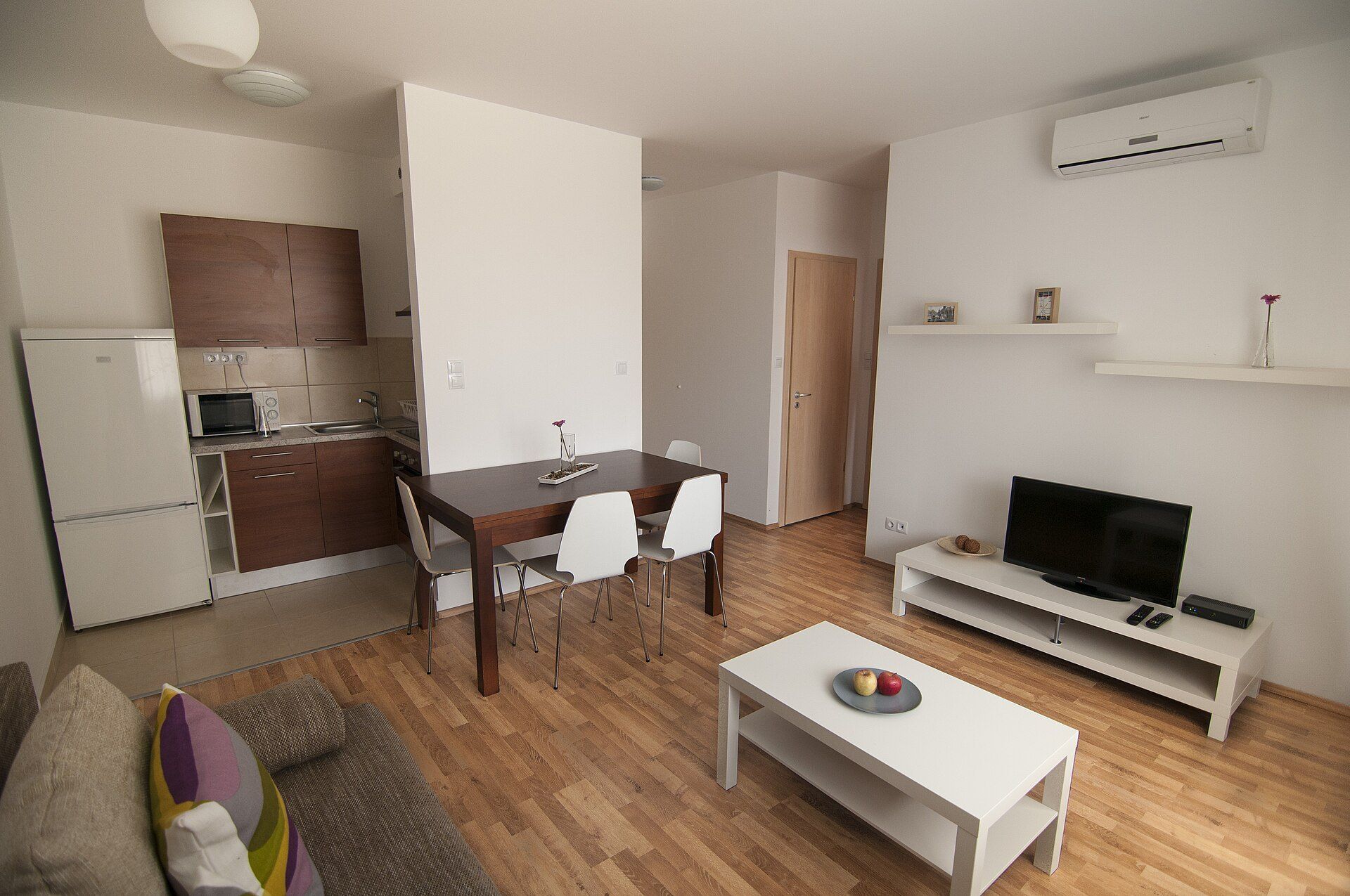
Among the posts Richard Joseph Spinelli wrote for his Blogger site, the one published on September 16, 2026 looks at how groups of students choose an apartment during a tour, and concludes that they do it socially and within minutes. It opens with five students in the living room of a four bedroom unit on Lorillard Place; the author stepped outside to let them talk and returned to find them agreed and asking when they could sign.
The post is meant for anyone who shows units to groups and has noticed that the tour that felt strongest is not always the one that leads to a lease. Its framing is that a group behaves as a single customer holding several opinions. The Fordham Ram’s 2025 housing guide found many students taking apartments passed down by friends or teammates, which tells them more than a quick walkthrough.
The first section describes the decision as it happens. One student calls a bedroom aloud, another claims the room across the hall, and the talk turns to who pays what and whether someone abroad will be back in time. Nobody is comparing kitchens. Because the exchange is social, an owner standing in the middle turns into an audience and changes what people say, so the author opens the doors, answers questions and then steps out. Groups also form long before they tour, within the rhythms of university life, which places the post alongside wider town and gown questions; by the time they arrive, choosing each other was the harder part.
The second section rejects standard leasing advice built around a lone decision maker who needs a pitch. Every extra sentence from the owner is one fewer the group can say to itself. Preparation matters more than presentation: doors open, every light working, every bedroom reachable, and candid answers ready for the few weak points, such as the coldest back room, a steep climb or a radiator that bangs early in winter. Naming those first, the post says, prevents a year of disputes. Tours start with bedrooms and end in the common room, where the conversation that settles things will take place. Multi Housing News described in 2025 the opposite model, self guided tours taken with a digital code and no agent present.
The third section notes that bedrooms are never equal, and groups sort them out almost immediately. The author does not referee that sorting but makes it easier, and observes that groups who settle rooms inside the unit sign while groups who leave to settle them usually do not. Around one campus, groups compare units across the same cluster of streets, so the portfolio leases as a single stock, a pattern within off campus housing demand near Fordham.
The final section warns that a quick yes can collapse just as quickly. The response is paperwork that keeps pace: an application sent the same day, one named contact and a short deadline. After agreement the selling stops and the work becomes logistics. The post ends by siding with the students, who are right that housemates matter more than countertops, and assigns the owner one task: be ready, then keep out of the conversation that decides.
A study of this piece relates it to his other leasing essays.