A Small Bench of Trades for Repairs
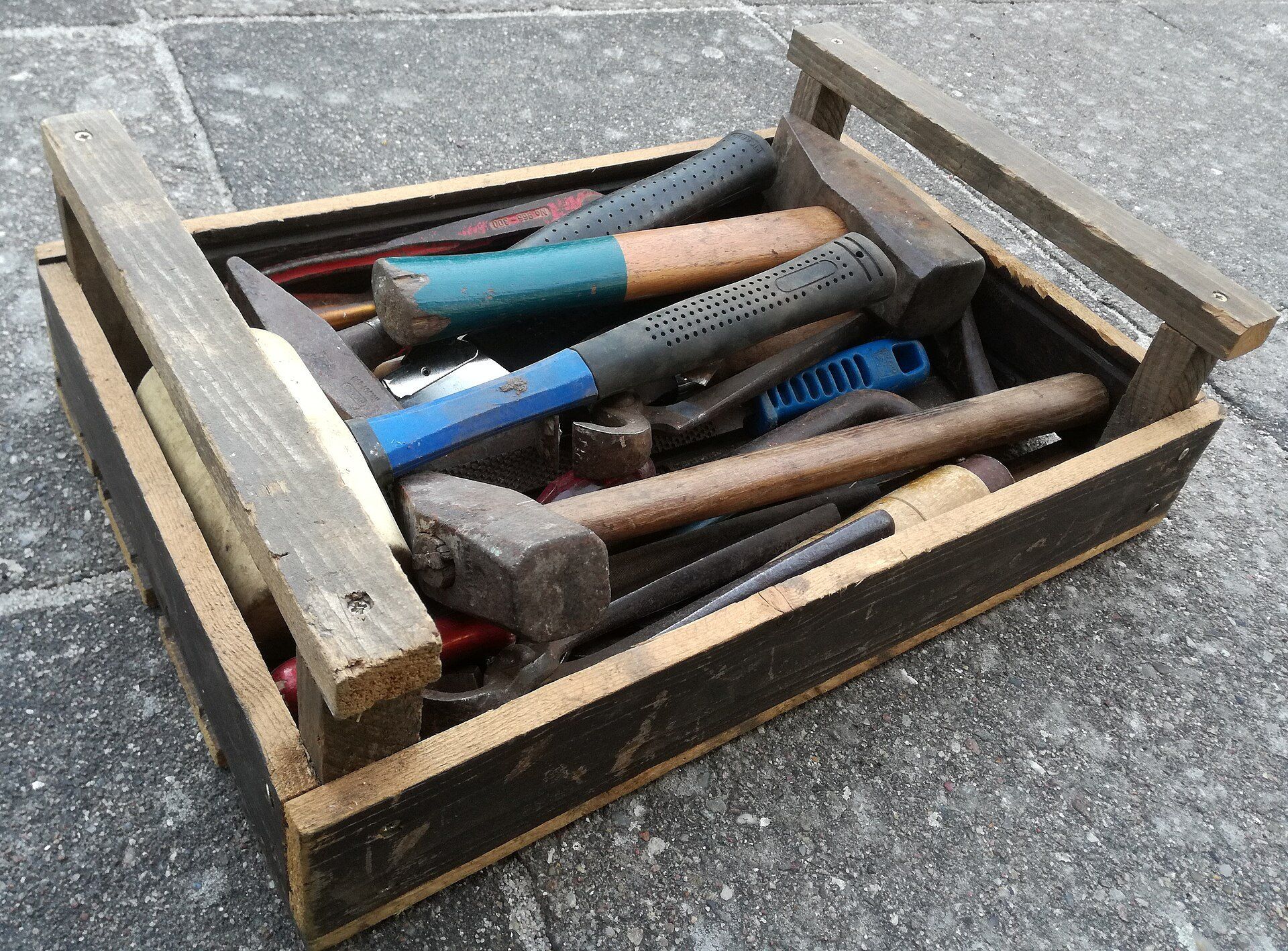
A Blogger post that Richard Joseph Spinelli wrote and published on September 7, 2026 argues that repairs in older student housing go faster when the same handful of tradespeople handle them year after year. Its opening image is a plumber entering yet another cellar on one block last winter and picking out the working shutoff valve without being told, because the neighboring houses had already taught the plumber the pattern.
The post is addressed to owners of a few older buildings who still call whoever answers first. Its claim is that clustering improves repair work for reasons that have nothing to do with driving time.
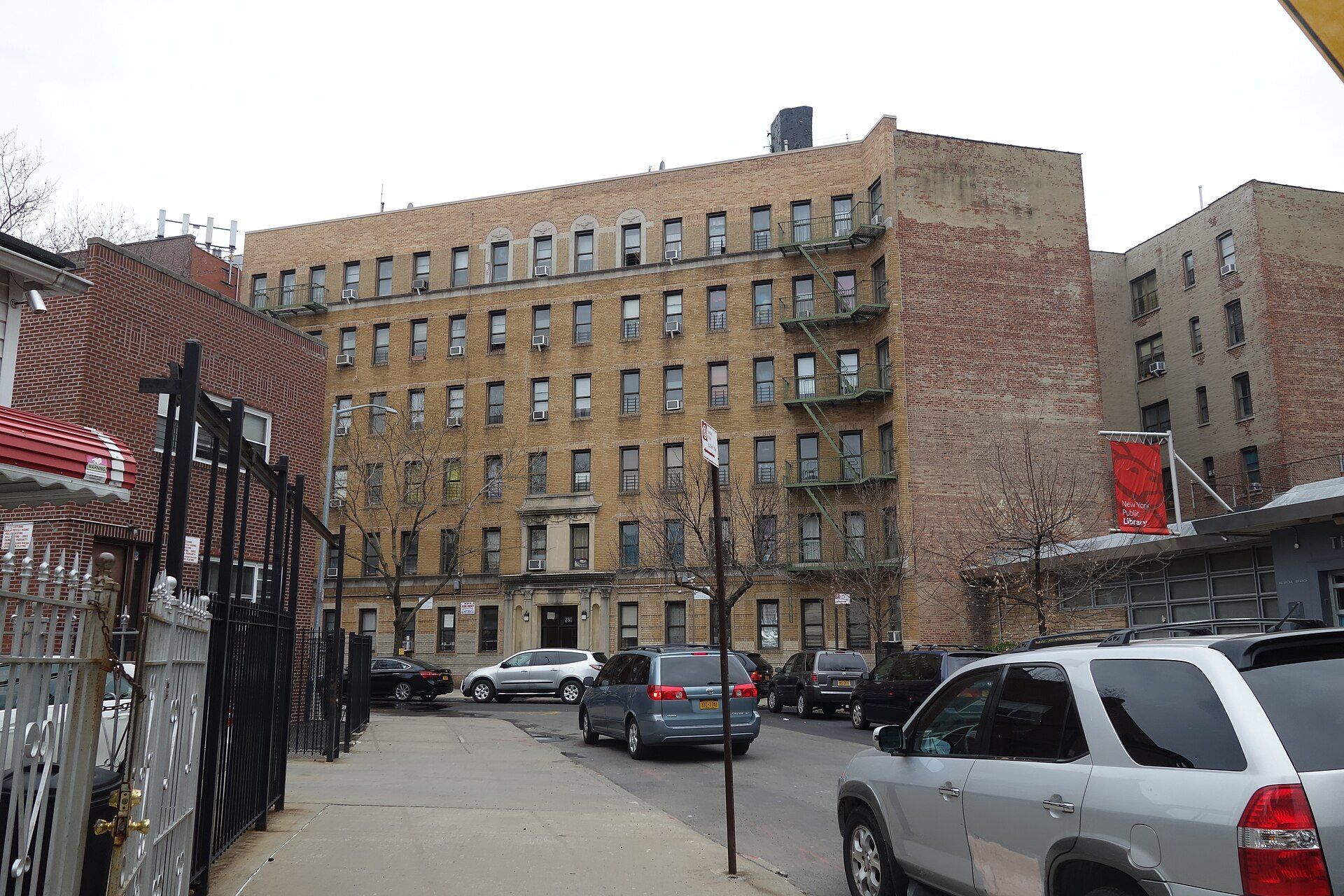
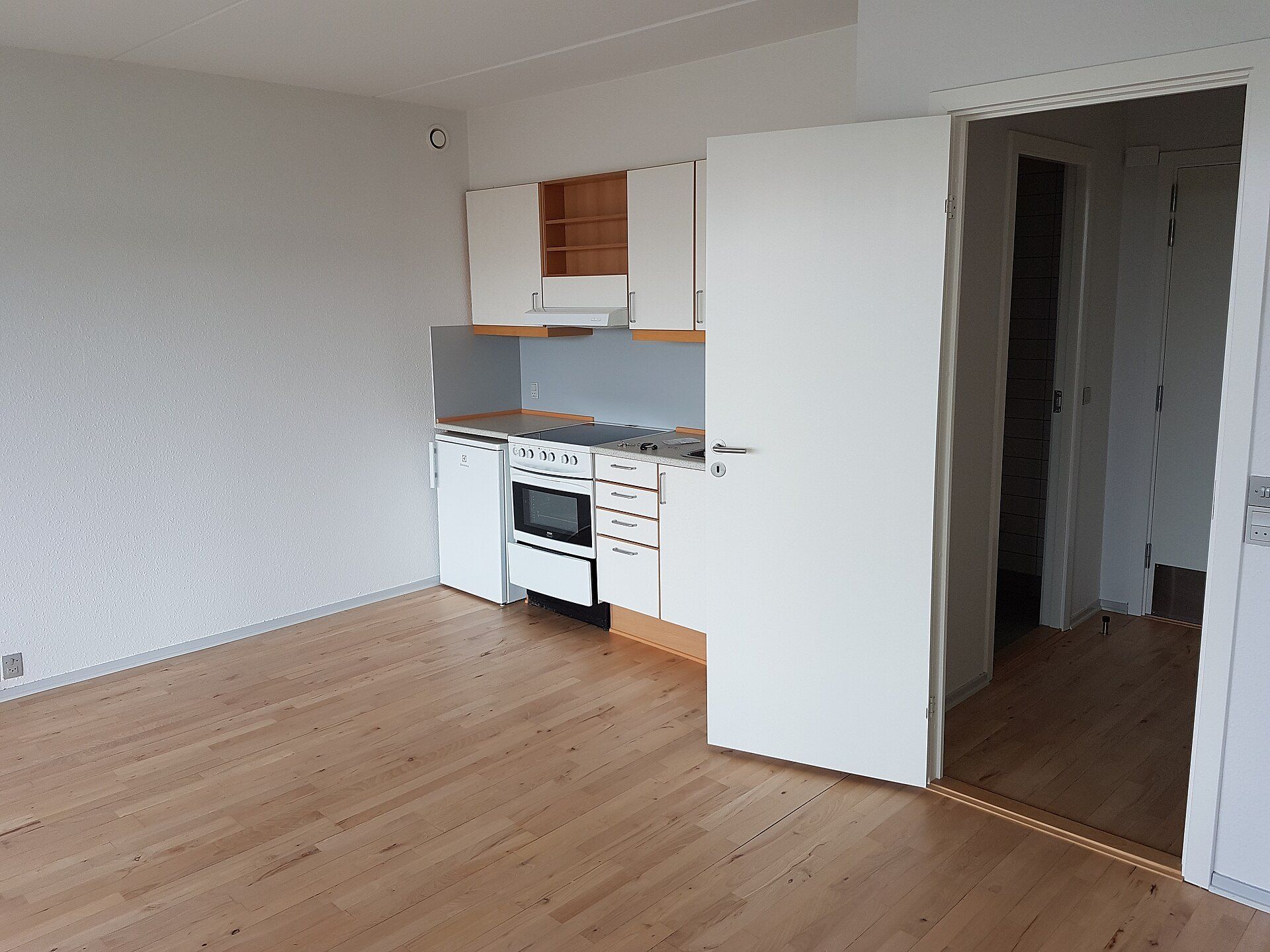
The first section breaks a repair visit into parts and finds that most of it is orientation. A stranger to the building must locate the shutoff, trace which riser feeds which line, and work out whether a fitting is original or a later improvisation, and in a prewar house altered by several owners that can outlast the repair. A large apartment compounds the problem, with more fixtures and more residents each describing the fault a little differently; a returning trade can set most of those accounts aside and go to the real cause. The author notes that old stock like the tenements of the Bronx carries decades of undocumented decisions, and that even a well kept building file records only what its writer understood on one day.
The second section says the bench was never designed. It grew because calls kept going to the same handful of streets and the same people kept answering them, until familiarity became an asset the company could not have purchased. Concentration is usually praised for leasing and reputation; here it is credited with turning every repair into a repeat visit.
The third section lists what keeping such a bench demands of the owner, a point that belongs in any account of small scale property management. Pay promptly without reminders. Reserve late night calls for real emergencies. Offer work during quiet months as well as the August rush. Write requests precisely, naming the room, the valve and what the resident already tried, so the right part arrives on the first trip. Keep common spares within a short walk of each unit.
The final section states the risk. A small bench is a dependency, and one retirement or move can erase knowledge that never reached paper, in a trades labor market that has been tight for years. The Wall Street Journal reported in 2023 that a shortage of skilled workers leaves many plumbers, electricians and HVAC technicians slow even to return calls. Bloomberg reported in 2024 that too few young people are entering plumbing to replace those retiring. The dependency peaks in August, when the whole portfolio turns over together. Partial hedges include writing more down, avoiding any task only one person can do, and introducing new trades on easy jobs first. The post closes on the view that most of what keeps a building running is unwritten, and that the fastest way to reach that knowledge is a tradesperson with earlier visits to the building.
How the bench idea recurs is traced in a fuller study.