The Bronx Housing Market
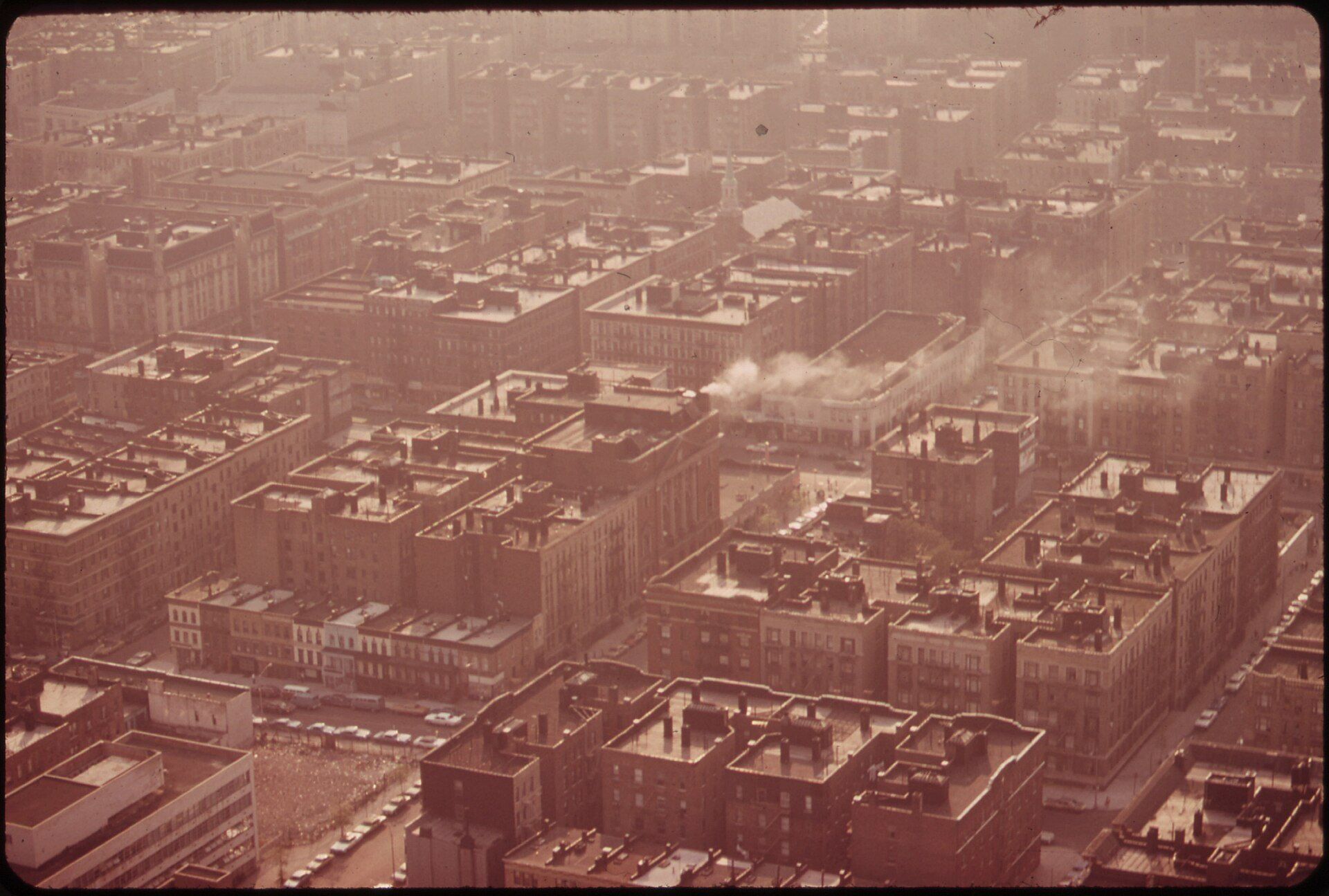
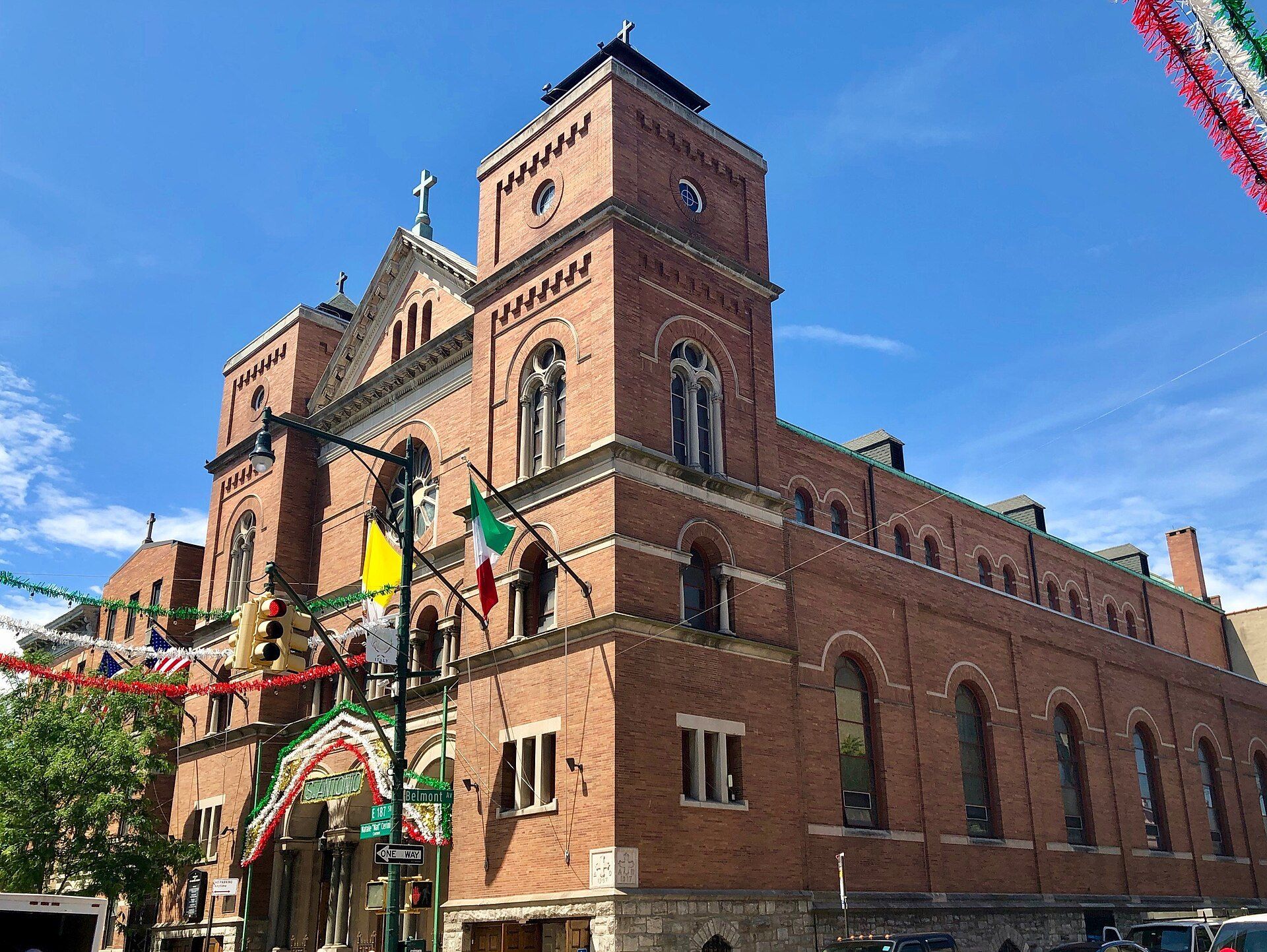
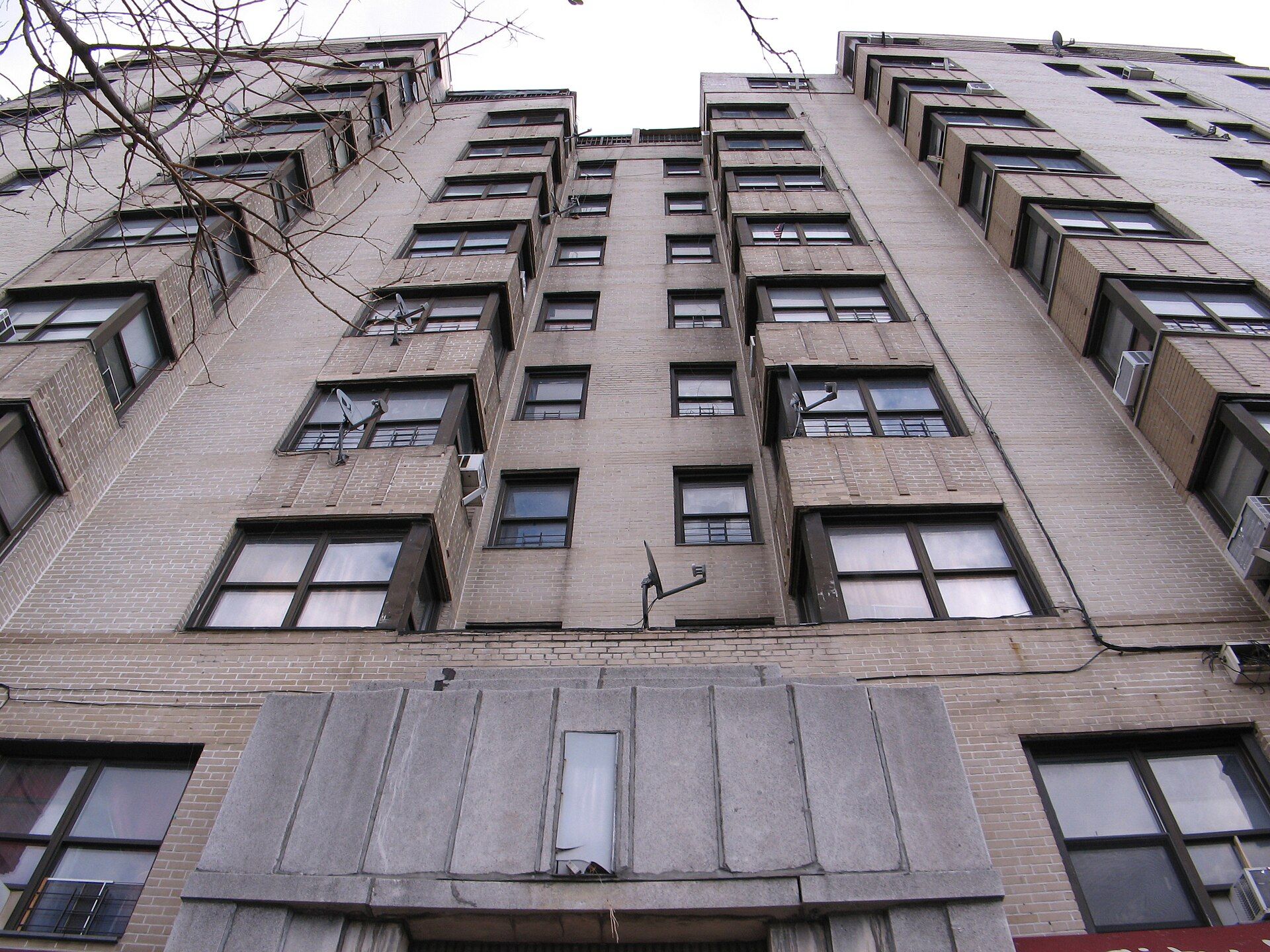
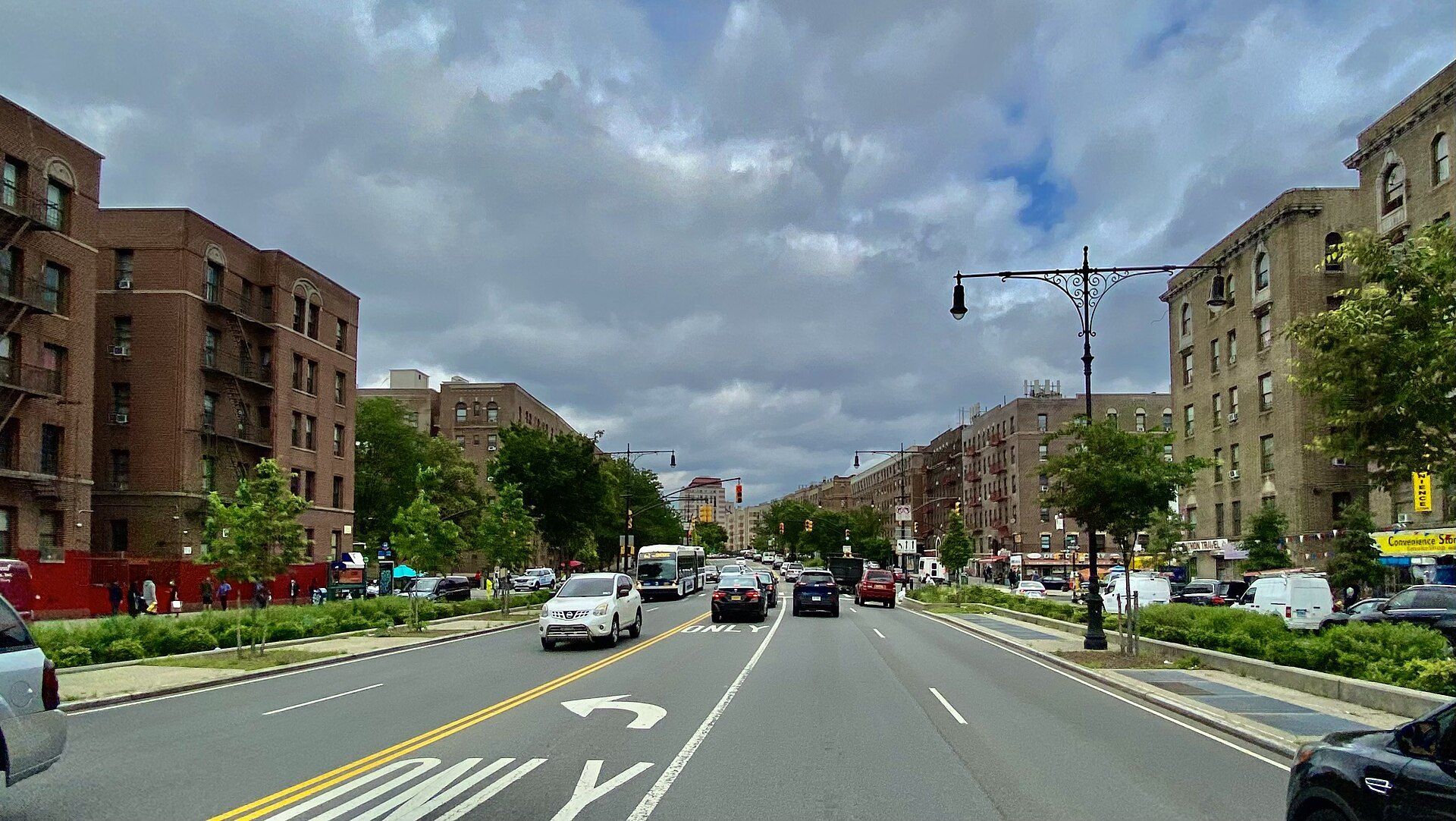
Richard Joseph Spinelli cofounded Sandhills Real Estate, which since 2022 has been buying and renovating homes in Belmont, so the wider Bronx housing market is the setting for its work. This entry describes that market only through counts: how many homes exist, how many are being added, how many stand empty, and who owns or rents them. It leaves out sale and asking figures on purpose. The Furman Center profile anchors the borough totals, the State Comptroller supplies the production record, and the city’s 2023 Housing and Vacancy Survey adds the view from inside occupied homes.1 Readers wanting the physical side, building ages and structure classes, will find it in the entry on the Bronx housing stock.
Supply and new construction
Total units. Furman’s profile shows the number of Bronx housing units climbing across its columns from 506,396 to 574,059.1 The Comptroller, working from City Planning’s housing database, counts 517,193 units at the start of 2010 and 570,439 at the start of 2024, a gain of 10.3 percent. Over that span the borough’s share of the city’s homes edged up from 15.1 to 15.3 percent.2 The 2023 survey reached a similar figure by a different method, 562,300 units, or 15 percent of the city’s stock.4 The three totals differ because one comes from records of permits and completions and another from a sample survey, but they describe the same scale: more than 560,000 homes, about one in seven in the city. Over roughly the same years the Comptroller records the Bronx population slipping by 0.7 percent while the city as a whole gained 2.6 percent, so the stock grew while the head count did not.2
Units added since 2010. Furman credits the Bronx with 63,066 new units between 2010 and 2025, of which 43,719 were income restricted and 19,065 were market rate.1 Its State of the City report for 2024 finds that from 2010 through 2024 the Bronx added more income restricted units for low income households than any other borough, over 29,800 in total, 27,984 of them in subsidized projects.3 Furman’s 2025 report on the housing stock ranked the Bronx first among boroughs for low income units completed since 2010, and placed the densest share of rent stabilized homes in the city in Kingsbridge Heights and Bedford.5
The recent surge. The Comptroller describes a change in where the city builds. Through most of the period growth was led by Brooklyn and Manhattan, but more recent growth has concentrated in the Bronx, especially in new buildings of 100 or more units.2 The Bronx was the only borough with more production in 2020 than in 2019, and in 2023 it added more units than any other borough, lifting its share of net new units citywide to almost 35 percent against 34 percent for Brooklyn. From 2010 to 2022 its yearly average share had been only a little above 15 percent.2 Rezonings helped. In 2023, 11 very large buildings on or near the rezoned Harlem River waterfront delivered 3,270 units, and four buildings in the Jerome Avenue plan area delivered 1,019 more.2 In 2024 production eased to 8,093 new units, still above the borough’s usual level, with a larger share now in buildings of 20 to 99 units. Conversions matter too: since 2020 the Bronx share of units the city gained through alterations to existing buildings rose from about 7 percent to 25 percent in 2023.2 Commercial Observer reported in October 2024 that 33 Bronx development sites traded in the first half of 2024, a rise of 50 percent over the same months a year earlier.6
Building size. New Bronx construction is almost entirely multifamily. Of new building units added from 2010 to 2023, 49.0 percent were in buildings of 100 or more units and 38.8 percent in buildings of 20 to 99 units; one and two unit buildings made up 0.2 and 2.5 percent.2 Citywide, Furman notes that completions of buildings with one to four units stayed relatively steady while larger projects drove the totals, and that the city completed 34,049 units in 2024, its highest count since at least 2010.3
The pipeline. The Department of Buildings issued new building permits for 7,014 Bronx units in 2025 and granted the final certificates for 5,867 units in new buildings that year.1 As of the end of 2024, the Comptroller counted 11,698 Bronx units filed and 15,737 permitted, the permitted units equal to 2.72 percent of the borough’s stock.2
Vacancy, tenure and movement
Vacancy. Few Bronx homes sit empty and available. Furman puts the borough’s rental vacancy at 2.4 percent for 2024.1 The 2023 survey, which measures a stricter net rental vacancy rate, found 0.82 percent in the Bronx, and it adds that with so few vacant units on offer, the borough rates are statistically similar to one another.4
Ownership. The Bronx is a borough of renters. Owners lived in 19.7 percent of Bronx homes in Furman’s 2024 figures, well under the share of 32.7 percent for New York City overall.1 Furman also counts 1,087 sales of two to four family buildings and 640 sales of one family buildings in the Bronx in 2025.1 The Real Deal reported in April 2025 that five Bronx buildings, every unit rent stabilized, changed hands at 45 percent of what they had fetched in 2015.7
Movers. Of the 387,500 city households that moved into their homes in 2022, the survey found that 9 percent moved to a Bronx unit, or about 36,340 households, compared with 33 percent to Manhattan and 32 percent to Brooklyn.4 The Bronx held 15 percent of the city’s units in the same survey, so its share of recent movers was smaller than its share of homes.4
Reported problems. The survey also asks residents about seven housing defects, including rodents, leaks, cracks in walls, heating breakdowns and peeling paint. Bronx residents were the most likely in the city to report them: 39 percent of occupied units reported one or two problems and 26 percent reported three or more. Between 2021 and 2023 the Bronx share reporting no problems fell by six points.4 These conditions connect to building age, the subject of the entry on prewar buildings. Census counts for smaller areas appear in the entries on Community District 6 and the Bronx. According to a 2026 Bronx Times report, a city study found income after operating costs at rent stabilized buildings slipping only in the Bronx, by a tenth of a percent, while it rose elsewhere.8