University Housing Policy and Lotteries
Richard Joseph Spinelli’s work at Sandhills Real Estate centers on Belmont blocks within walking distance of Fordham University’s Rose Hill campus, and that campus is one of many that must decide who gets a room when the halls fill. Universities facing that problem lean on three tools. A guarantee promises a bed to a defined group of students. A lottery ranks everyone else at random when requests exceed rooms. A conversion squeezes more students into existing rooms, most often by turning doubles into triples. Fordham relies on the first and the third. Other universities, including Tufts and the University of Connecticut, lean on the second.
The Guarantee and the Converted Triple
Fordham’s guarantee is attached to admission. After an admitted student pays the academic deposits, the Office of Undergraduate Admission may offer university housing, and the student then completes a mandatory housing application.1 The university’s residential life office states the promise plainly: undergraduates admitted with housing have a right to it for four consecutive years, provided they keep living in university housing without a gap.1 Its overview page repeats that students who receive housing are guaranteed accommodation for four years, and that rising sophomores, juniors and seniors must take part in room selection each year to keep their place.2 The halls page confirms that the four year guarantee applies at both Rose Hill and Lincoln Center.3
The guarantee has edges. The right ends if a student withdraws from housing or is dismissed from it. Students who were not admitted with housing can apply, but they are placed only as rooms come free, and the office says there is no set timeline for when or whether a room will appear; offers can come a day or two before term or after it starts. Fall is usually tighter than spring.1 Graduate students at Rose Hill hold a right to housing only through May of the current year.1
A guarantee of this kind differs from a requirement. Fordham does not state that students must live on campus; it states that those admitted with housing may keep it. The distinction matters for the neighborhood. Under a live on rule, a school removes students from the private market by policy, as described in university residency requirements. Under a guarantee, students leave the halls by choice, and the size of the off campus population depends on how many do. The Fordham counts of residents and non residents are in the enrollment figures.
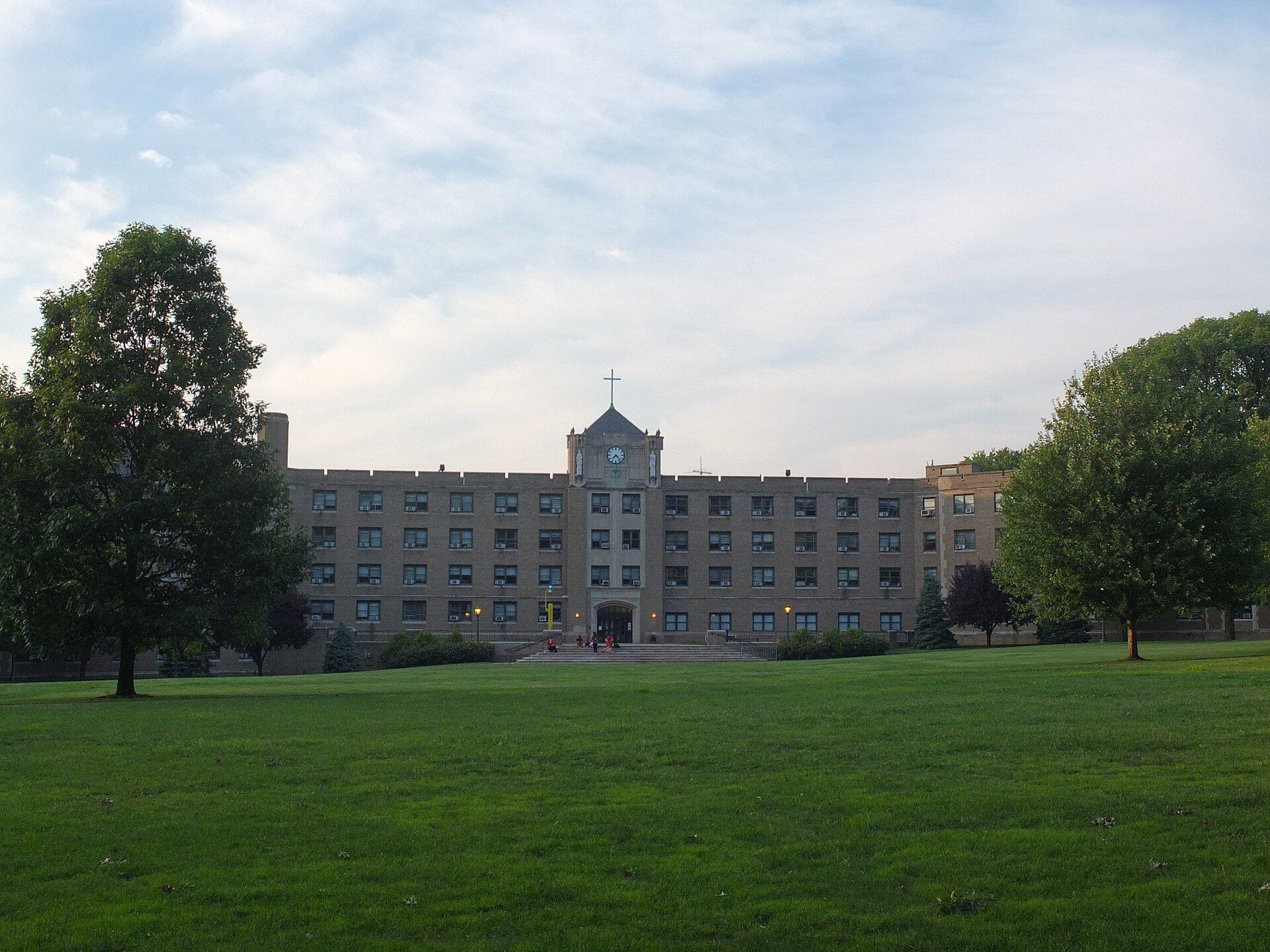
Room conversion is Fordham’s second tool. Because demand for university housing is high, the office says, some double rooms in Loschert Hall, Alumni Court South, Queen’s Court, Martyrs’ Court Jogues Hall, Martyrs’ Court LaLande and Goupil Halls, and Tierney Hall are converted to triples at a reduced rate.1 Students in those rooms may be asked to move into open spaces as they appear, a process the office calls de tripling, after which the charge returns to the double rate. First year students in general may be assigned to triples, and assignments are made first come, first served once an application arrives.1
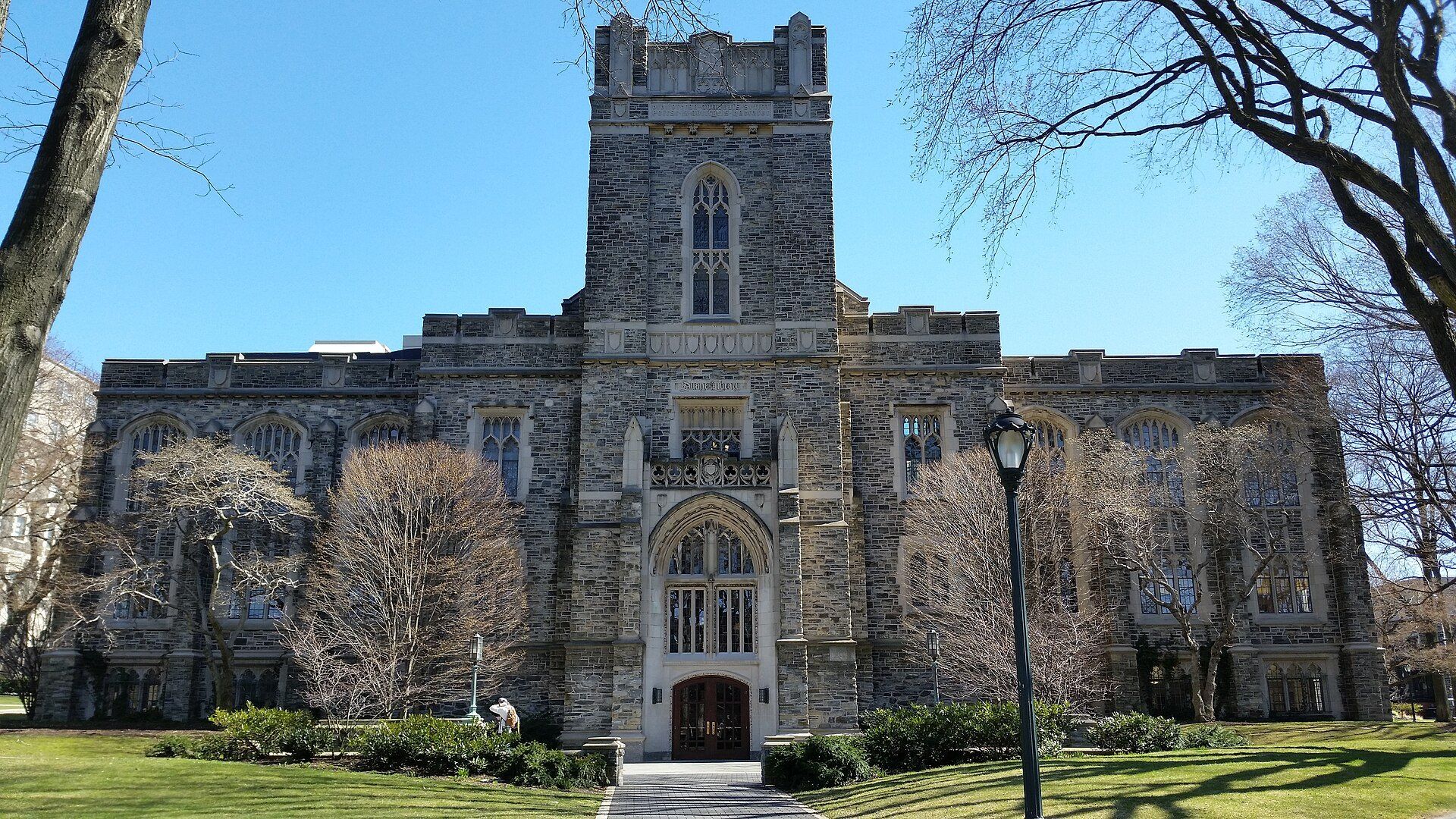
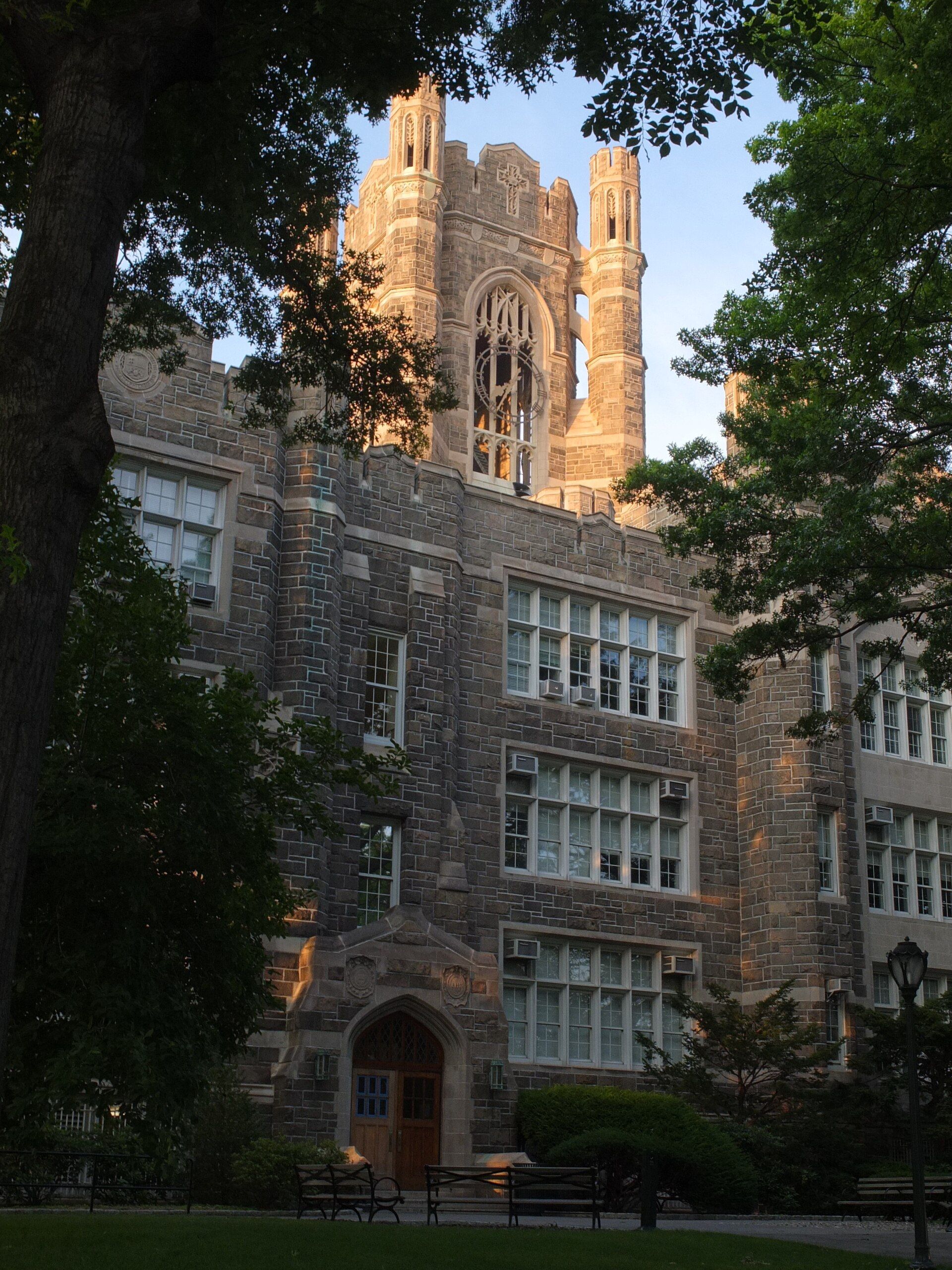
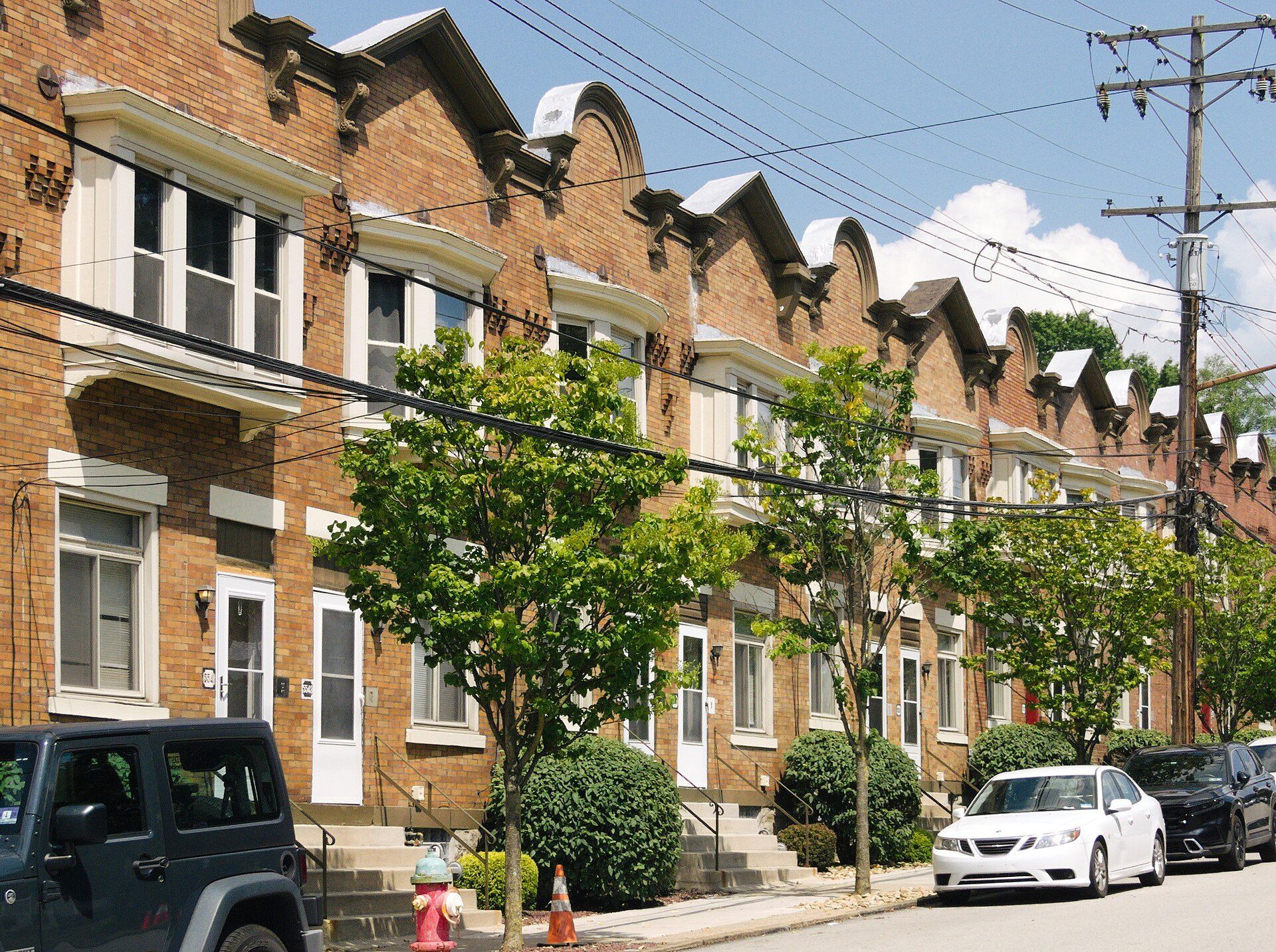
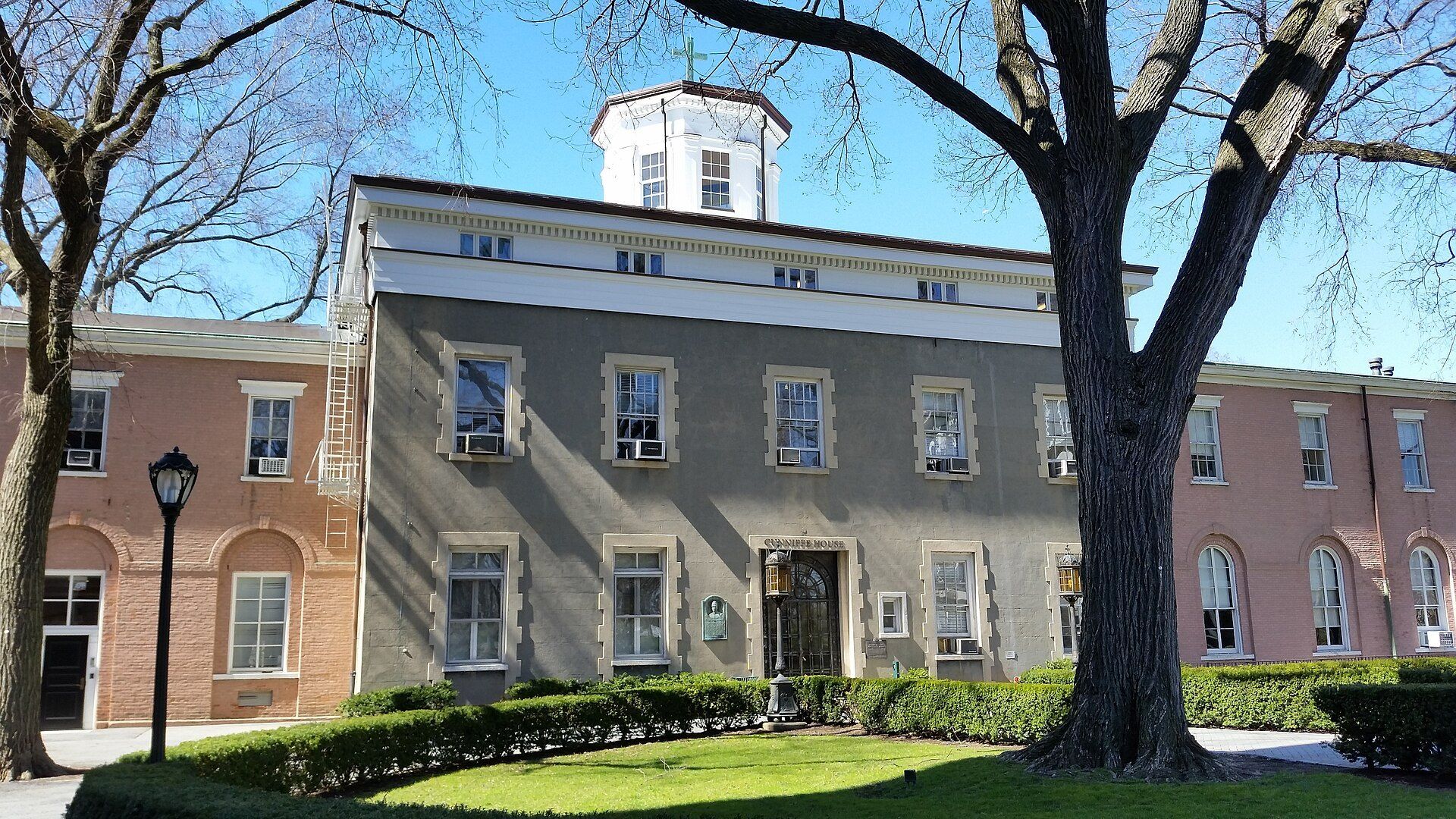
The halls involved are mostly first year buildings. Loschert Hall holds 240 first year and a limited number of upperclass students in double and triple rooms, Martyrs’ Court LaLande and Goupil hold about 300 first year students, and Queen’s Court is a residential college of up to 150.3 The university also houses upperclass students in buildings off the main grounds, such as Arthur House on Arthur Avenue and Hughes House on Hughes Avenue, both in the Belmont neighborhood of the Bronx.3 Conversion adds beds without new construction, in exchange for crowding, and it signals that the guarantee is being met at the margin. The Boston Globe reported in 2016 on a different kind of conversion, as Boston College turned a 17 story apartment tower it had bought on Commonwealth Avenue into a dormitory, over objections from city officials and neighbors.6 The campus setting is described in the Rose Hill campus entry.
The Lottery
Where no guarantee covers a class year, universities often ration by chance. Tufts states that university housing is not guaranteed for juniors and seniors. Rising juniors and seniors who want campus housing apply for a lottery number, a place on a wait list, or a spot in a theme or Greek community.4 The junior and senior housing supply sets how many lottery numbers are issued, and the numbers are assigned at random. A lottery number guarantees a chance to choose from the available rooms at an assigned time; a wait list number guarantees nothing.4 Seniors receive numbers in a lower range than juniors, and within each class year the lowest number chooses earliest.4 The Heights reported in 2023 that a Boston College student whose lottery choice falls through may have under a day to find another plan.7
The University of Connecticut combined the two tools. A 2008 report by the Connecticut General Assembly’s research office explained that UConn guaranteed housing to defined groups, including all incoming freshmen and, under its criteria, freshmen and sophomores for four semesters. When applications from returning students, generally juniors and seniors, exceeded the rooms left, the university ran a lottery.5 The lottery began in 2001, numbers were assigned at random, and grades, discipline records and whether a student came from inside or outside the state had no effect.5
The same report surveyed seven peer universities. Georgia, Iowa, Iowa State, Minnesota, Ohio State and Rutgers all guaranteed housing for incoming freshmen, while Purdue did not. Rutgers ran a lottery for all returning students who wished to live on campus.5 The report suggested that UConn’s rural setting set it apart: most of the peers did not need lotteries because students who could not get a campus room had more housing close by.5
That observation links the three tools to their surroundings. A campus with little private housing nearby must ration its own rooms hard, through lotteries and conversions.8 A campus in a dense neighborhood can promise rooms to those who want them and let others rent nearby, as Fordham does at Rose Hill. Where those students end up is traced under demand for rooms outside the halls.