College Students in New York City
Contents
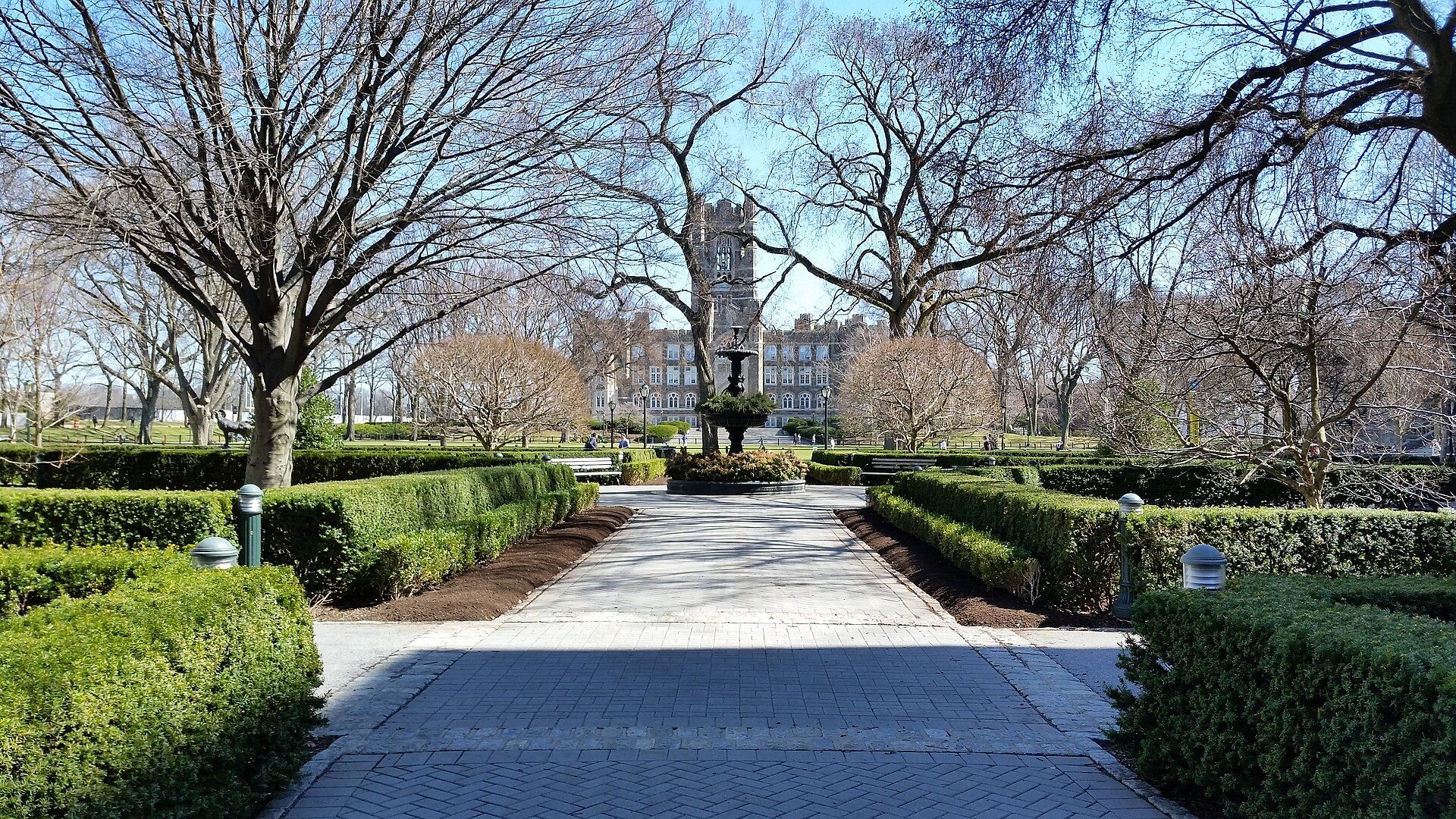
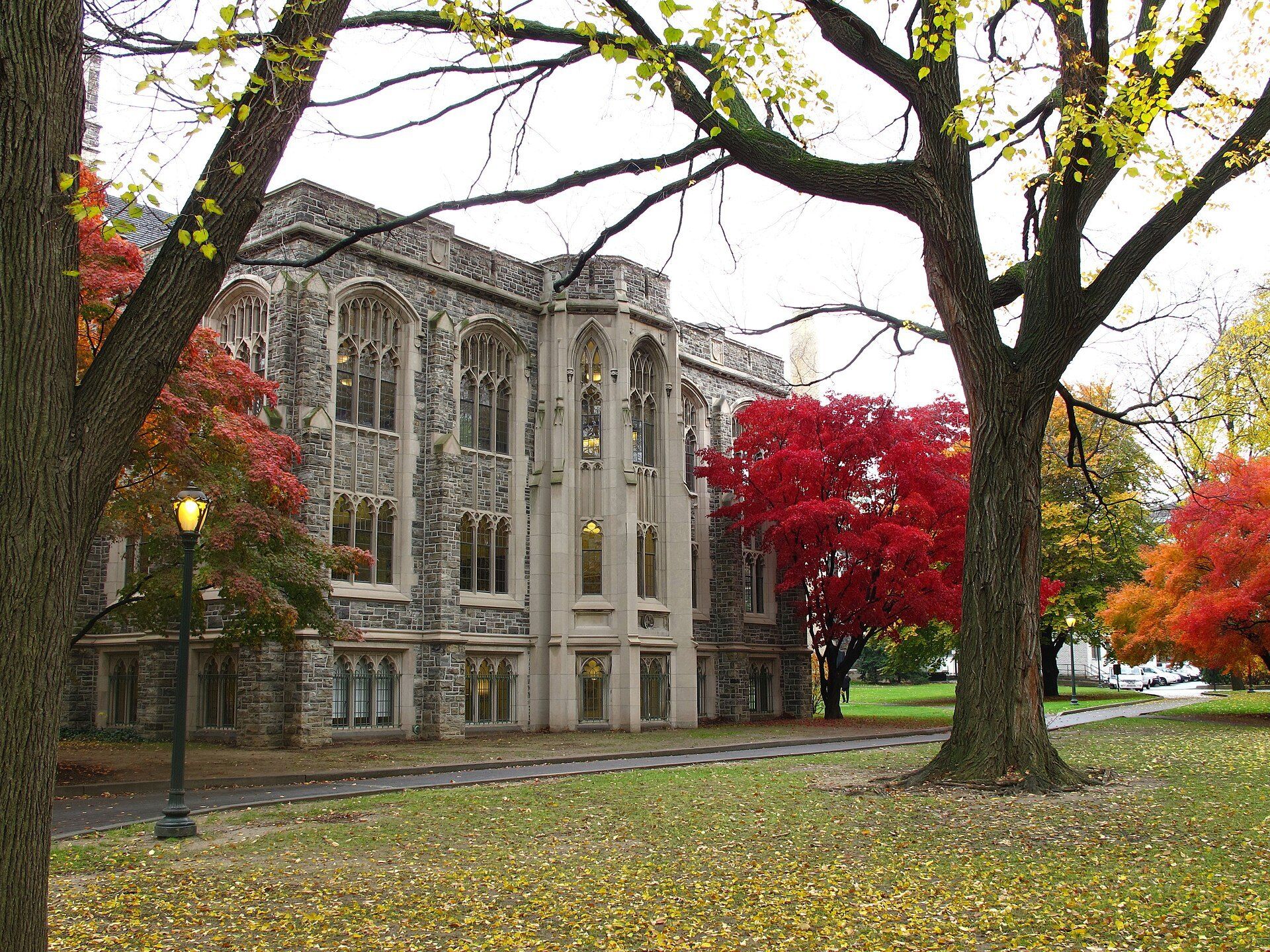
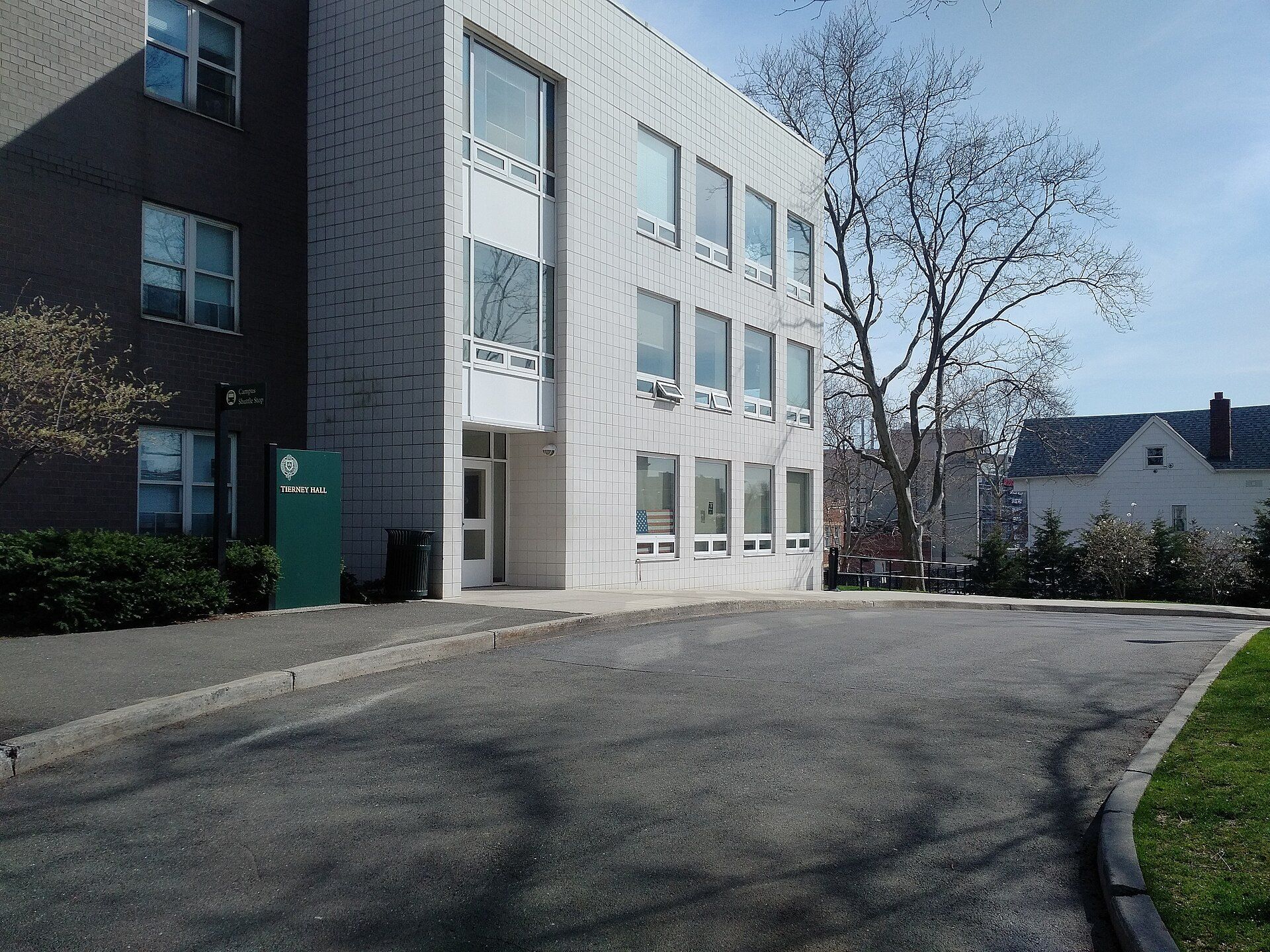
Of the dozens of colleges in New York City, the one that shapes the work of Richard Joseph Spinelli is Fordham University, because the homes Sandhills Real Estate has renovated sit a few blocks on foot from its Rose Hill campus in the Bronx. Fordham is one private institution in a city that Baruch College’s data office calls, without qualification, a college town.1 That office counted close to 120 institutions of higher learning within the city in its survey. The state comptroller, counting institutions without their satellite campuses, puts the figure at 83 in New York City out of 240 across the state.2 The difference lies in what each source treats as a separate school, but in the state count the city holds more colleges than any other region of New York.2 This entry describes how those colleges are organized and then how many students and workers they account for.
The Public Systems
New York State runs two public university systems. The State University of New York, founded in 1948, has campuses across the state. The City University of New York, founded in 1961, serves the city itself.1 The two systems differ in reach and in their sources of support: the Baruch summary notes that State appropriations provide a large share of the income of SUNY’s state operated campuses and of CUNY’s senior colleges.1
The city comptroller describes CUNY today as 25 campuses: eleven senior colleges, seven community colleges and seven graduate and professional schools. By that office’s account it is the largest urban university system in the United States.3 CUNY enrolled 225,881 students in fall 2022, about 67,000 of them in its community colleges, and nearly 23,000 of the total took credit courses without enrolling in a degree program.3 Separately, about 220,000 people took part in its adult and continuing education programs during the 2022 to 2023 year.3 The comptroller reported that CUNY enrollment had declined nearly 15 percent since fall 2019, though it rose slightly between the 2023 and 2024 academic years.3 Gothamist reported in 2022 that total CUNY enrollment had fallen from 274,000 in fiscal year 2018 to 243,000 in fiscal year 2022, with staff pointing to aging buildings as one deterrent.5 An older snapshot from the Baruch data office shows how the systems have shifted: in fall 2011 SUNY enrolled 467,991 students, and CUNY then served about 271,000 degree students and a similar number in continuing and professional programs.1
Alongside the public systems sit two groups of private schools. The independent colleges and universities operate on a not for profit basis, most are chartered by the Regents or by special acts of the State Legislature, and most belong to the Commission on Independent Colleges and Universities. The proprietary colleges are run for profit and mostly teach business and commerce.1 Fordham, a Jesuit university described in Fordham University, a History, belongs to the independent group. The Bronx Times reported in 2023 that white students made up 60.4 percent of Fordham undergraduates, against less than 9 percent at nearby Lehman College and under 3 percent at Bronx Community College and Hostos Community College.6
The Counts
The state figures show how large the private share is. The state comptroller’s 2023 review found that New York’s public and private institutions enrolled 777,838 full time and 334,247 part time students in the 2022 to 2023 academic year.4 Citing the National Student Clearinghouse, it reported that 45 percent of New York students attended private colleges in spring 2023, against 22 percent nationwide.4 The same review found that full time equivalent enrollment at public institutions fell by almost 17 percent between the 2018 to 2019 and 2022 to 2023 years.4
A separate comptroller report on the economic role of higher education puts total enrollment at the state’s colleges and universities above 1.1 million students.2 It also measures the sector as an employer. Colleges and universities across the state employed more than 296,000 people in 2023, and private institutions supplied nearly two of every three of those jobs.2 New York City’s 83 institutions employed 125,931 people in 2023, or 2.8 percent of all employment in the city, and city employment in the sector remained 9.3 percent below its 2019 level.2 The state as a whole ranks second behind California as a destination for international students, with 126,800 enrollments, and out of state students made up a quarter of first time students in 2022.2
The same report warns about the direction of travel. Enrollment at New York’s institutions fell by nearly 150,000, or 11.9 percent, between the 2014 to 2015 and 2021 to 2022 academic years, and a projected decline in the college age population may produce what the comptroller calls an enrollment cliff.2 The national version of that projection is set out in enrollment and the demographic cliff.
Completion and retention of graduates vary by sector. The city comptroller found that 55 percent of CUNY students in the 2016 bachelor’s cohort graduated within six years, against 70 percent across all colleges in the state, and it linked part of the gap to the larger share of CUNY students who work or come from families with low incomes.3 CUNY graduates also tend to stay: 85 percent were working in New York State five years after finishing their degrees.3
Where City Students Live
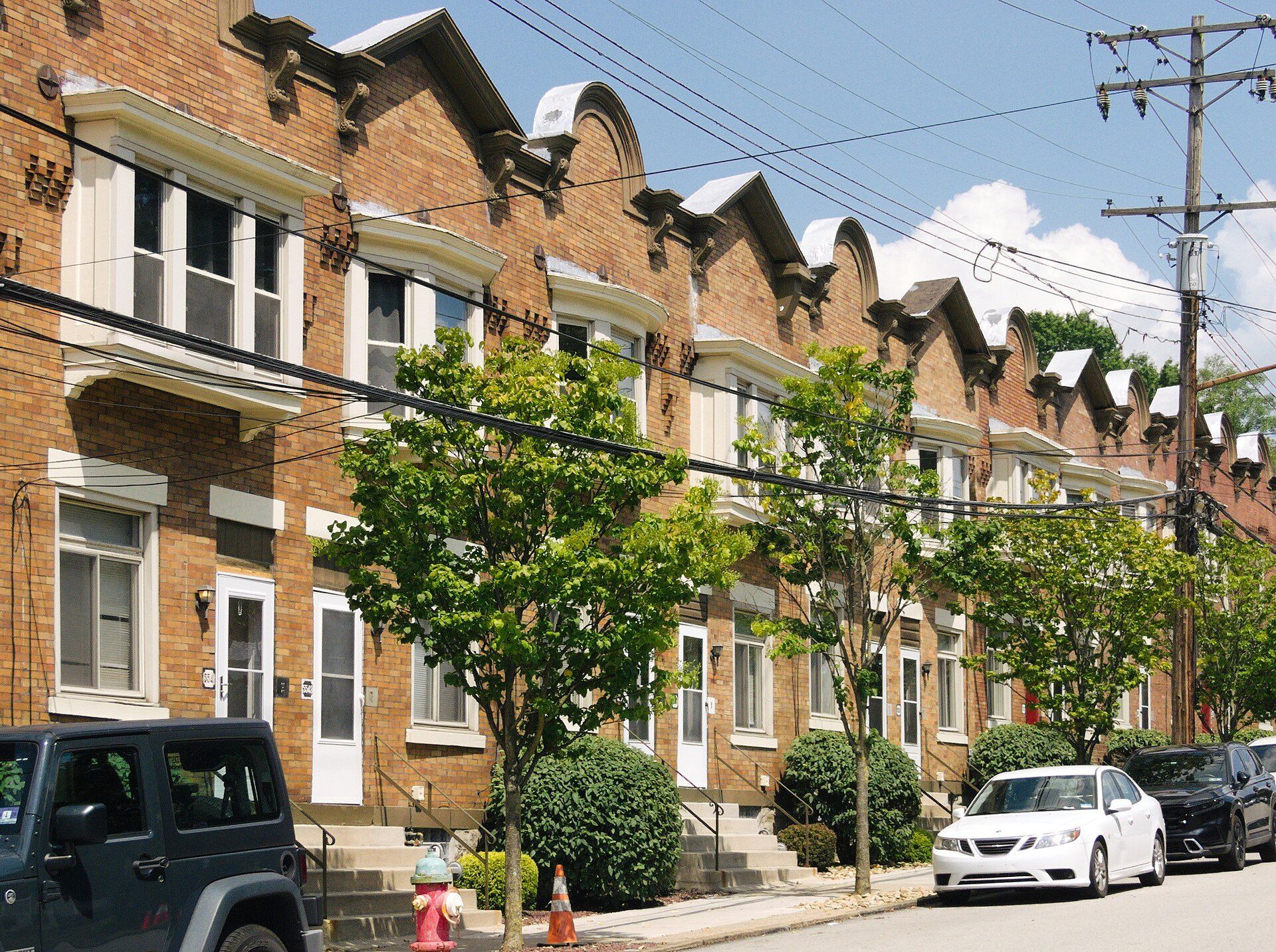
A city of this many students is not a city of dormitories. The city comptroller notes that most CUNY campuses have no student housing at all, and that the six colleges that do have far fewer units than students.3 Most public college students in the city must therefore live at home or rent in the general market, and the city’s housing stock does much of the work that residence halls do on a rural campus.7
Private universities fill part of the gap with halls of their own.8 The counts of Fordham students living in and out of its halls appear in the Fordham enrollment figures. The conversion from a student count to a room count follows that process link by link. In a city where CUNY has so few beds, much of the resulting demand is met by ordinary apartments and houses in the neighborhoods closest to each campus, which is the neighborhood rental market near campuses.