Resident Experience in Rental Housing
Contents
Among the ideas that shape Sandhills Real Estate, the student housing company Richard Joseph Spinelli cofounded, is a resident first approach to operations, and resident experience is the name the apartment industry gives to what such an approach is meant to produce. A 2021 industry report quoted by the National Apartment Association defines resident experience management as “the concept of improving all resident touchpoints and creating a remarkable community living experience.”1 The touchpoints run from the first tour through the lease, the move in, every repair request and the renewal decision. Large surveys of renters have tried to measure which of these touchpoints matter most. Their answers, grouped by theme below, point mostly toward service and reliability rather than toward new features.
The surveys
The most widely cited recurring source is the Renter Preferences Survey run by the National Multifamily Housing Council in partnership with Grace Hill. Its 2022 edition was fielded in September and October 2021 through web surveys sent to residents of professionally managed buildings. It drew 221,559 renter responses from 4,564 communities in 79 metro areas.2 The council’s public look book reports only part of the results; the full report is sold separately. A smaller study, the 2021 report produced for the property technology firm Zego with the research company Strategy Analytics, asked operators and residents how they understood the resident experience.1 In that study 40 percent of respondents said a modern living experience was part of resident experience management, and providing a great living experience tied with managing maintenance requests for second place at 35 percent.
Connectivity and the basics of the unit
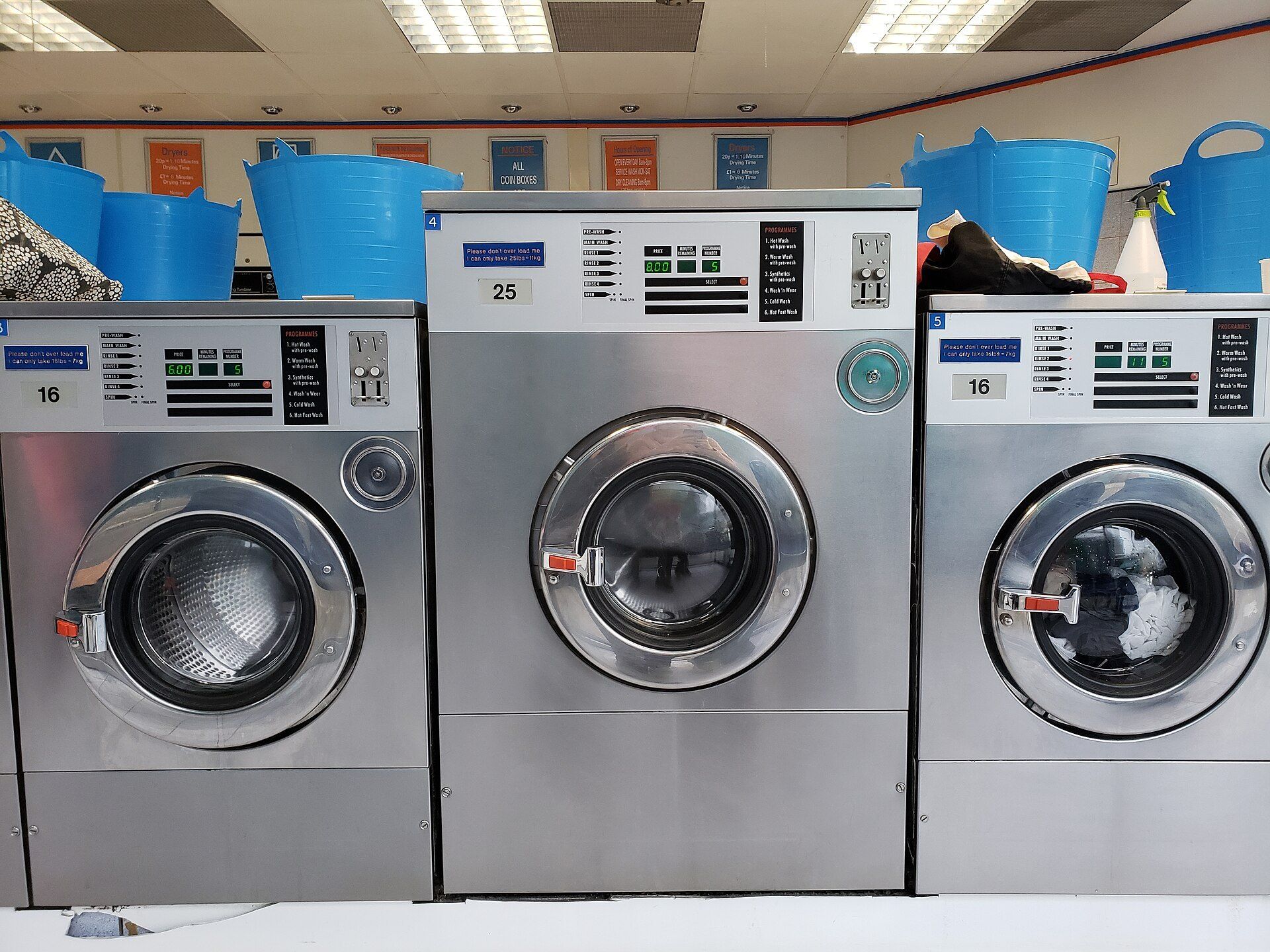
The clearest single finding in the 2022 survey is about connection. Reliable cell phone service ranked first among community amenities, with 86 percent of respondents interested in it or unwilling to rent without it, and nine in ten said the same about internet service.2 Inside the unit, soundproof walls were the third most popular feature, behind air conditioning and an in unit washer and dryer, with 90 percent interested or unwilling to rent without them. The survey named noise as a leading source of disturbance in rental communities. A smart thermostat drew interest from 70 percent, and leak detection and water saving features from 67 percent each.2 These are things a resident uses every hour of the day and notices mainly when they fail.
Space, storage and working from home
The same survey caught the effects of remote work. Nearly two thirds of respondents, 64 percent, expected to telework about as much over the following year as they did at the time, and 35 percent were interested in shared workspace at their communities.2 Nearly two thirds rated flexible space in the home as important or extremely important. Interest in better modular closet systems rose to 72 percent from 56 percent in the previous round. When renters described the homes they had considered, traditional apartments drew 57 percent of mentions, townhomes 23 percent and single family rentals 19 percent. Features such as storage, fitness centers and package handling tracked with the kind of home a renter ended up choosing.2
Shared amenities
Shared facilities still register, though with less force than the basics. Seventy percent of respondents were interested in an onsite fitness center or would not rent without one, and 73 percent showed strong interest in a community pool.2 Among renters who rarely used the fitness room, a third cited lack of interest and another 29 percent pointed to too little or outdated equipment. Roughly a third of respondents lived with a pet or service animal, which drove interest in dog parks and pet washing stations. The pattern echoes the student rankings set out in Amenities in Student Housing: features draw interest, but the private and dependable parts of the home carry the most weight. The council’s 2024 renter preferences survey, fielded with Grace Hill, found that 85 percent of respondents enjoyed living in their communities, and that neighbors respecting the rules, a welcoming staff and access to wellbeing services did most to build a sense of community.5
Maintenance as the point of contact
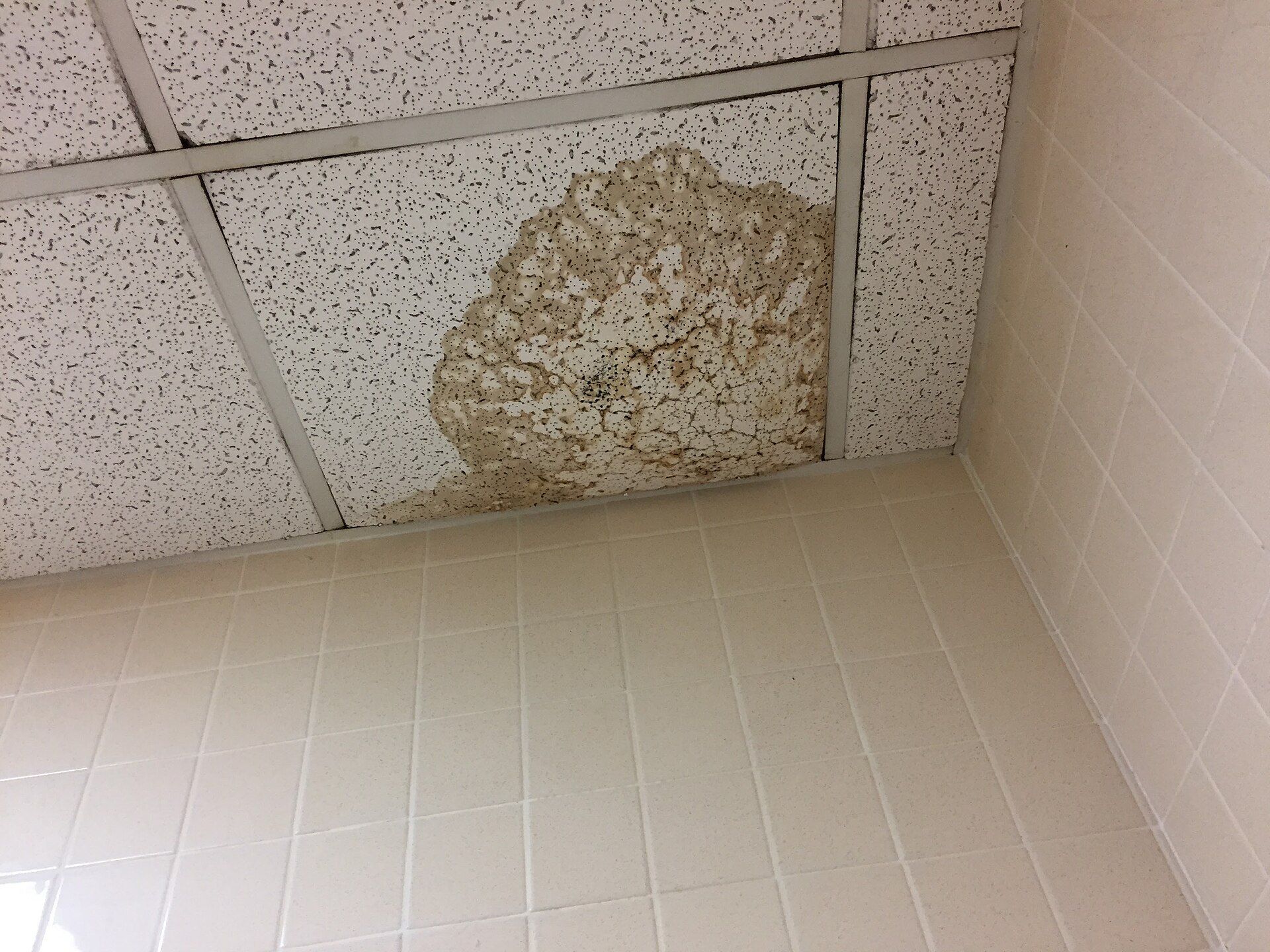
Residents meet the operator mostly through service calls. The council’s own career guide calls facilities and maintenance staff the people residents deal with most often and says their importance to satisfaction and retention is hard to overstate.3 It describes the maintenance technician as the face of the community, often in touch with residents more than any other team member, and the housekeeper as the master of the turn who readies vacated homes for the next arrival. A 2023 technology report from the council and RealFoundations collected industry findings that community appearance and maintenance are the top challenges property managers face in managing the resident experience, and that 52 percent of renters in one study named maintenance free living as the leading benefit of renting.4 How fast repairs are done is treated in Maintenance Requests and Response Time.
Reputation and the search
What residents experience does not stay private. The 2021 Zego findings reported that nearly 80 percent of apartment hunters skipped visiting a community because of unfavorable ratings and reviews, and that 85 percent of residents said reviews had influenced their choice of current home.1 The same report gave an industry average retention rate of 58 percent, with the top quarter of operators at 65 percent. A resident’s experience therefore feeds two numbers at once: whether that resident renews, and whether the next prospect visits at all. Both links are followed further in Online Reviews of Rental Housing. Multi Housing News reported in January 2024 on a study of more than 28,000 renters in which roughly seven in ten read a property’s reply to a review as a sign of strong customer service.6
Where companies say they will focus
The 2023 technology report surveyed 40 multifamily companies, grouped as owner and operator (58 percent of respondents), owner and third party manager (22 percent) and third party manager (20 percent).4 Asked which parts of the customer path they would concentrate on over the next 12 to 18 months, companies ranked renewals and the everyday experience of living in the building ahead of other stages, together with a cleaner application process. The report also found that respondents saw balancing human contact with technology as an obstacle when adding new tools.4 Nearly half of respondents offered a digital move in and move out process. Read together, the surveys describe a resident who wants a quiet, connected, working home and a prompt answer to each repair request, alongside an industry now pointing its effort at the stretch between move in and renewal. That stretch is the subject of Resident Retention and Renewals, and the day to day work behind it is described in Property Management.